
Content
When it comes to branded merchandise, women's socks are often overlooked — but they shouldn't be. They sit at a unique intersection of fashion, function, and visibility. Unlike a tote bag or a pen, socks are worn close to the body and noticed in social settings, at the gym, in the office, and on social media. For brands targeting female consumers, custom logo socks offer a high-perceived-value product at a relatively low production cost. Whether you're a small business owner launching a branded product line or a corporate buyer planning a seasonal gift campaign, understanding what makes women's socks the ideal canvas for custom logos is the first step toward a successful order.
Women's socks come in a wider range of styles, cuts, and aesthetics than most people realize. From ankle socks and crew socks to knee-highs and no-show styles, each silhouette offers different placement options and audience appeal. This variety means custom logo socks can be tailored not just to brand identity, but also to the lifestyle and preferences of the end wearer — something that directly impacts how often the socks are actually used and, by extension, how often the logo is seen.
Before placing a custom order, it helps to know the distinct categories of women's socks and what each one communicates both stylistically and functionally. Different cuts serve different purposes, and the right choice depends on your target audience and intended use case.
Crew socks are the most popular choice for custom logo orders. They typically rise 6 to 8 inches above the ankle and provide ample surface area for logo placement on the leg panel, the ankle, or across the toe box. They work well for athletic brands, lifestyle labels, and corporate gifting alike. The larger surface area makes them especially effective when the logo is detailed or when additional design elements like patterns or text are included.
Ankle socks sit just above the shoe line and are a favorite for casual, sporty, and fashion-forward brands. The visible area is smaller, so logos for this style work best when they're simple and high-contrast. Many brands place the logo on the ankle tab or along the side panel for maximum visibility during activity.
Knee-highs offer the most real estate for customization. They're popular in fashion-forward markets and among brands targeting younger female demographics. They also perform well as statement pieces for events, photo shoots, or limited-edition drops. The extended height allows for more elaborate design work, including large logo prints and full repeat patterns.
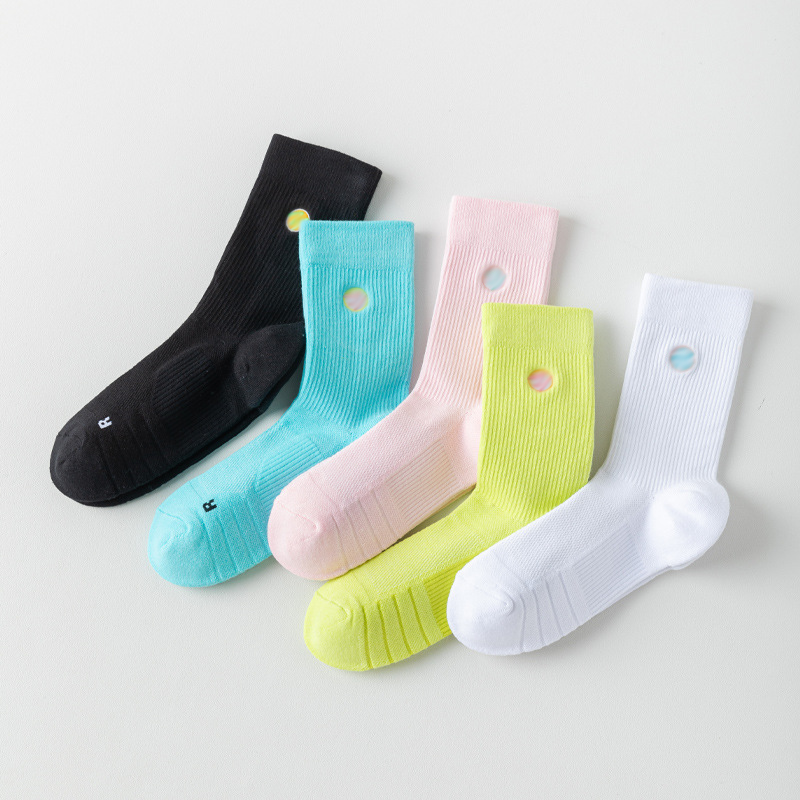
No-show socks are nearly invisible when worn with sneakers or flats. While logo placement is limited — typically to the insole or a small heel tab — they're a practical choice for corporate gifting because they work with almost any footwear. Adding a subtle embossed or woven logo on the footbed creates a premium feel that recipients often notice and appreciate.
The material of a sock doesn't just affect comfort — it directly influences how well a custom logo is reproduced and how long it holds up after repeated washing. Choosing the wrong fabric can result in logos that bleed, fade, or distort after the first few washes, which undermines the entire investment in customization.
| Fabric | Feel | Logo Suitability | Best For |
| Cotton | Soft, breathable | Good for woven logos | Everyday wear, gifting |
| Combed Cotton | Extra soft, durable | Excellent for fine detail | Premium product lines |
| Polyester Blend | Moisture-wicking | Great for sublimation print | Athletic and sport brands |
| Bamboo | Silky, eco-friendly | Good for woven logos | Sustainable brands |
| Nylon Blend | Stretchy, resilient | Good shape retention | Performance and fashion wear |
For most custom logo orders, combed cotton blended with a small percentage of nylon and spandex offers the best balance of comfort, shape retention, and logo clarity. If your brand leans into sustainability, bamboo or organic cotton blends communicate environmental responsibility alongside the visual branding.
Not all custom logos on socks are created the same way. The method used to apply your logo affects the look, the feel underfoot, the durability, and ultimately the cost per unit. Here's a breakdown of the main techniques used in custom sock manufacturing:
Getting a logo to look great on a sock requires some design adjustments that differ from how a logo might appear on a flat surface like a business card or banner. The curved, stretchy nature of the fabric means that intricate designs can lose definition during wear. Here are practical recommendations to make your logo perform well:
Custom logo sock orders vary significantly in cost depending on style, fabric, logo method, quantity, and packaging. Most manufacturers set MOQs between 50 and 200 pairs per design for jacquard knitting, while embroidery and screen printing can sometimes start at lower quantities. As a general rule, unit prices drop significantly as quantity increases — so consolidating designs into a single large order often saves considerably more than placing multiple smaller orders.
Packaging is also a cost factor worth planning for. Custom hang tags, branded tissue paper, or individual polybags all contribute to perceived product value but add to unit cost and lead time. If you're producing socks as retail merchandise, premium packaging is worth the investment. For corporate gifting or promotional giveaways, standard packaging with a custom label often strikes the right balance between quality and budget.
The quality of your finished product depends heavily on the manufacturer you choose. When evaluating suppliers, ask for fabric certifications (such as OEKO-TEX Standard 100 for non-toxic materials), sample production timelines, and references from clients in your industry. Domestic manufacturers offer shorter lead times and easier quality control but typically come with higher unit costs. Overseas manufacturers — particularly those based in China, South Korea, or Pakistan — often offer lower prices at higher volumes but require longer lead times and careful communication around artwork specifications.
Regardless of where you source, ensure the supplier offers a dedicated account contact, a digital mockup approval process, and a clearly written production contract that outlines quality standards and revision policies. Custom logo socks are a tangible extension of your brand — the manufacturer you partner with determines how well that extension performs in the real world.
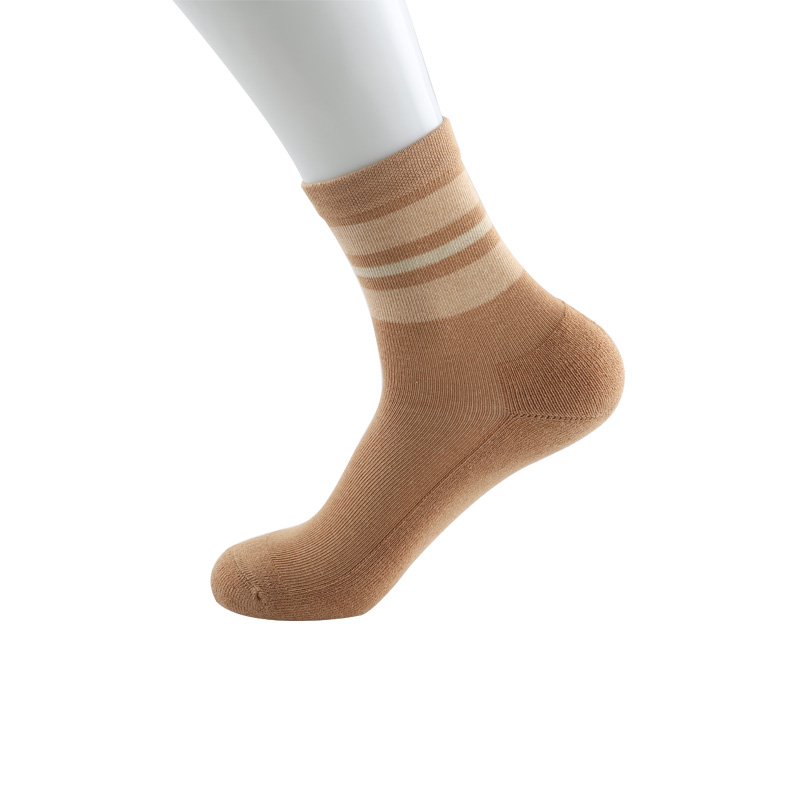
NO. WSD1042 Size EU35-39 Age Adu...
View More
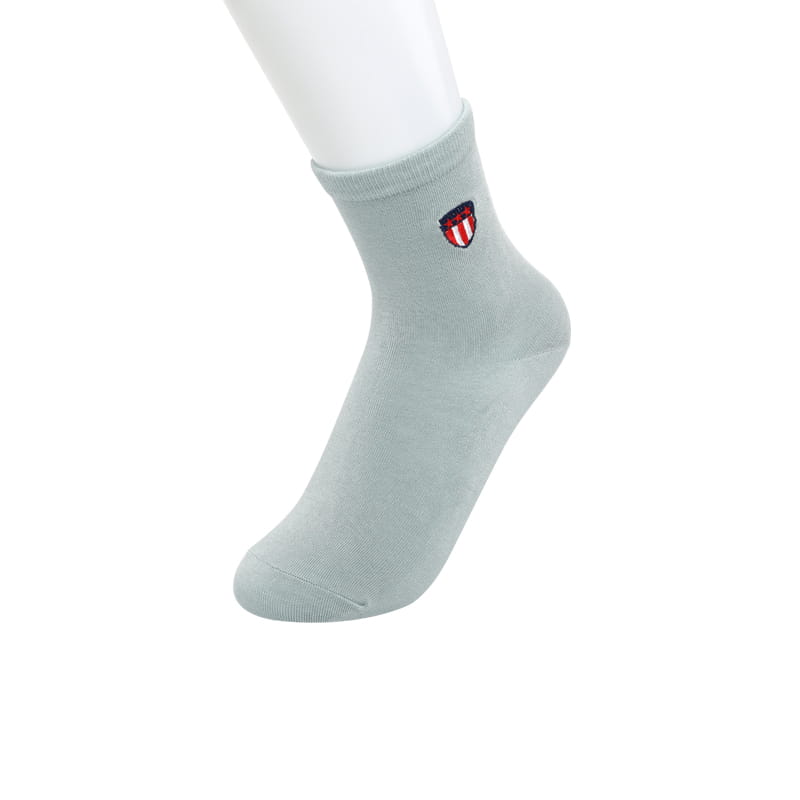
NO. WSD1501 Size EU35-39 Age Adu...
View More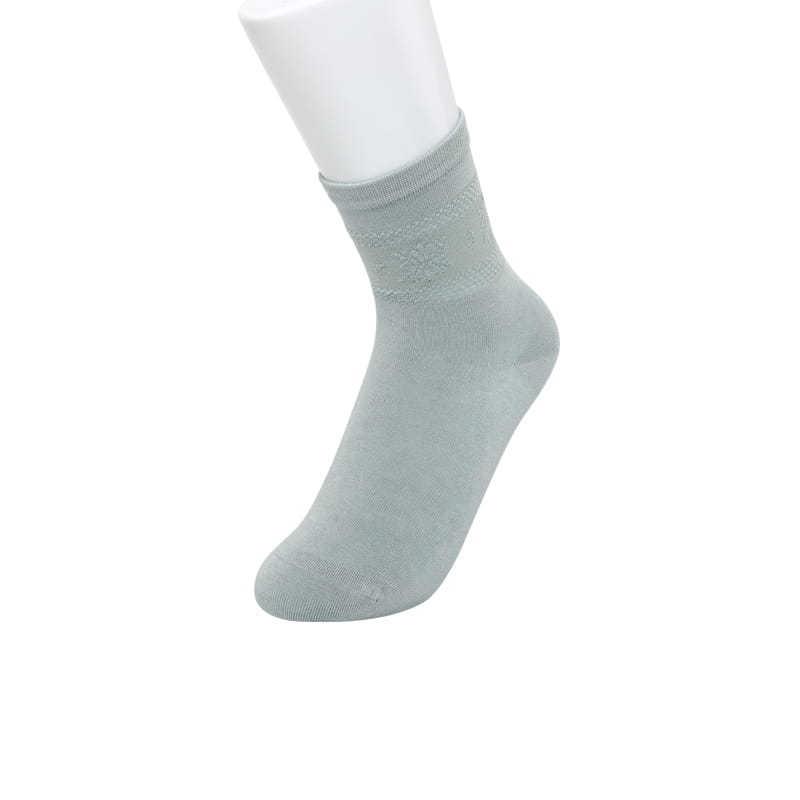
NO. WSD1523 Size EU35-39 Age Adu...
View More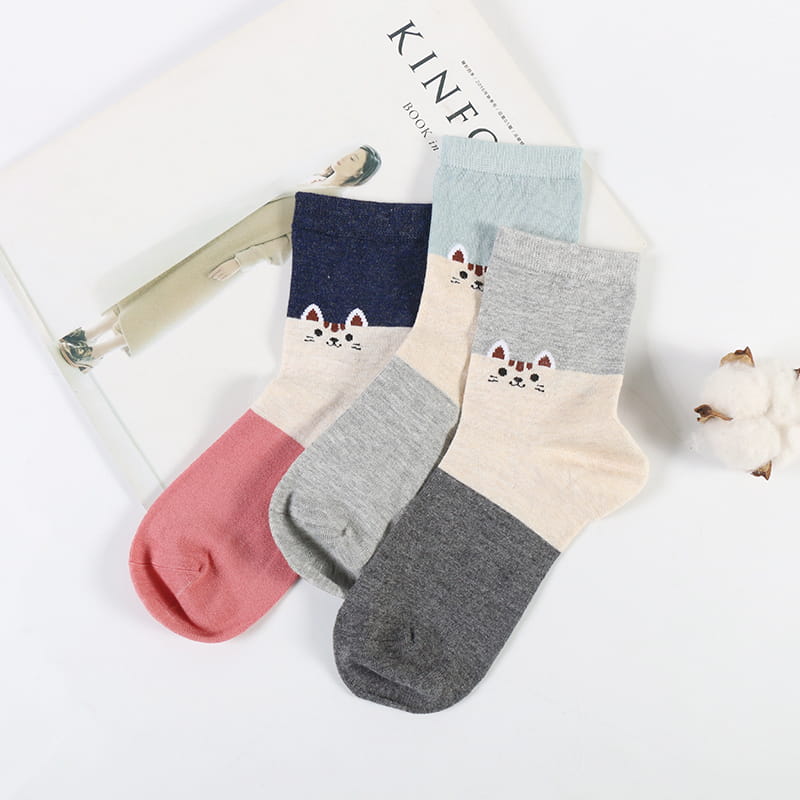
NO. WSD1512 Size EU35-39 Age Adu...
View More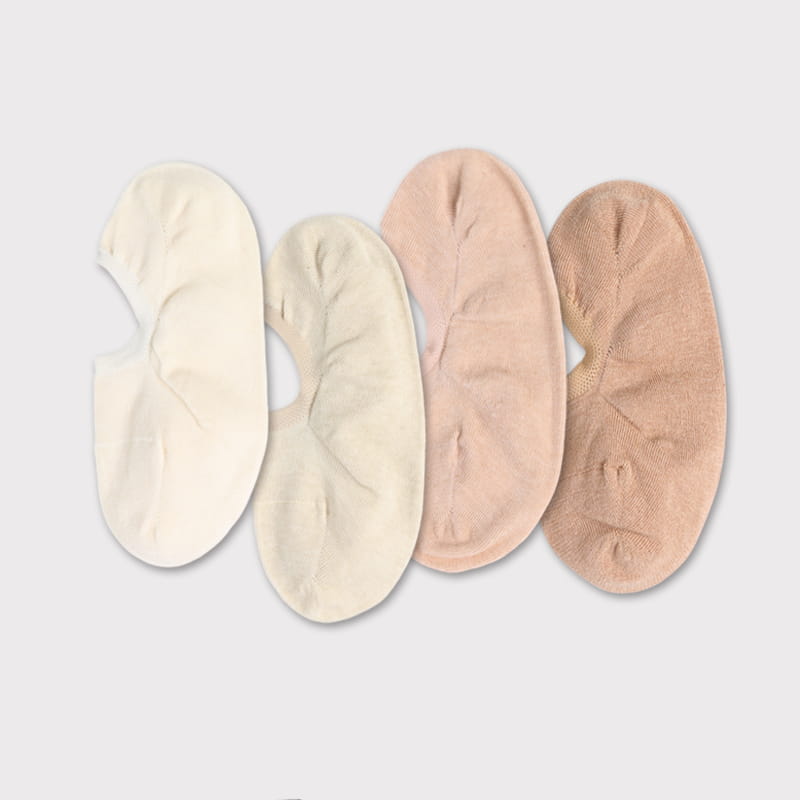
NO. WSD1402 Size EU35-39 Age Adu...
View More

+86-13586371153
+86-0573-87670680
[email protected] [email protected]
8-1 Yongsheng Road, Qianjiang Industrial Park, Dingqiao, Haining, Zhejiang, PRC
Copyright © Haining Wanshida Hosiery Co.,LTDAll Rights Reserved. China Custom Socks Manufacturers