
Content
Most people spend considerable time choosing shoes but give almost no thought to what goes inside them. Women's socks, however, play a surprisingly significant role in foot health, comfort, and even overall posture. The wrong pair can cause blisters, poor circulation, excessive sweating, or discomfort that ruins an otherwise great outfit or workout session. On the other hand, the right pair of socks can provide cushioning, moisture control, arch support, and warmth — all at once. Understanding how to evaluate and select women's socks based on material, occasion, and fit transforms a seemingly minor detail into a meaningful daily upgrade.
The fabric of a sock determines almost everything about how it performs. Different materials suit different needs, and knowing the properties of each helps you build a well-rounded sock wardrobe.
Cotton is the most widely used material in everyday women's socks. It's soft, breathable, and affordable. However, cotton absorbs moisture and holds onto it rather than wicking it away, which means your feet can feel damp during extended activity or in warm weather. For casual, low-intensity daily wear, cotton socks are perfectly adequate. Look for combed or pima cotton if you want a noticeably softer texture.
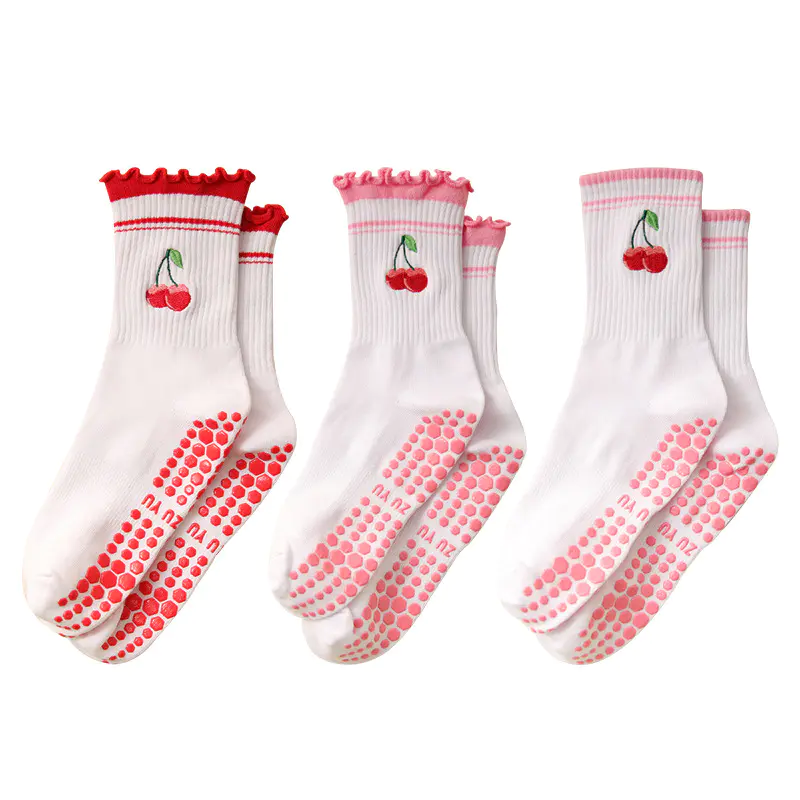
Merino wool has become a favorite among women who need socks that perform well in a range of temperatures. Unlike traditional wool, merino is fine and non-itchy, making it ideal for direct skin contact. It regulates temperature effectively, keeping feet warm in winter and cool in summer. Merino also has natural odor-resistant properties, making it popular for hiking, travel, and all-day wear. The trade-off is price — merino socks cost more, but they tend to last longer and maintain their softness through many washes.
Synthetic fibers are rarely used alone but appear frequently in blended socks. Nylon adds durability and a smooth texture. Polyester enhances moisture-wicking. Spandex (or elastane) provides stretch and helps socks hold their shape, preventing them from sagging or bunching throughout the day. Athletic socks almost always include synthetic blends to maximize performance.
Bamboo-derived fabric has gained popularity as an eco-friendly alternative. Bamboo socks are naturally soft, breathable, and have mild antibacterial properties. They're an excellent option for women with sensitive skin or those who prefer sustainable clothing choices. The softness is comparable to cashmere, and they wick moisture reasonably well.
Different activities and settings call for different types of socks. Wearing the wrong style can lead to discomfort or even foot problems over time. Here's a breakdown of the most common occasions and what to look for in each case.
| Occasion | Recommended Style | Key Feature to Prioritize |
| Everyday Casual | Crew or ankle socks | Softness and breathability |
| Office / Work | No-show or dress socks | Thin profile and polished look |
| Running / Gym | Athletic low-cut or tab socks | Moisture-wicking and cushioning |
| Hiking / Outdoors | Mid-calf or knee-high hiking socks | Padding, support, and durability |
| Winter / Cold Weather | Thermal or wool crew socks | Insulation and warmth retention |
| Lounging at Home | Fuzzy or slipper socks | Coziness and grip soles |
Sock length is not just an aesthetic choice — it affects functionality. No-show socks sit below the ankle and are ideal with loafers, sneakers, or flats when you want a sockless look without the discomfort. Ankle socks provide slightly more coverage and are the standard for athletic wear. Crew socks, which reach mid-calf, offer more warmth and work well with boots or sneakers. Knee-high socks are popular for colder months, for pairing with skirts or dresses, and for activities like skiing or hiking where extra leg coverage is beneficial.
Fit is equally important. Socks that are too tight can restrict circulation, especially around the ankle or calf band. Socks that are too loose bunch up inside shoes, creating pressure points and blisters. Most brands size socks by shoe size — always check the size chart and choose accordingly. If you're between sizes, err slightly larger for a more comfortable fit.
Beyond material and length, certain construction details separate average socks from exceptional ones. Here are features that genuinely make a difference:
You don't need dozens of pairs to cover every situation — a thoughtful selection of key styles does the job. Consider organizing your sock wardrobe around three core categories: everyday basics, athletic performance, and seasonal or specialty socks.
For everyday basics, keep a supply of ankle and crew socks in neutral colors like white, black, and grey. These versatile options work with jeans, casual trousers, and sneakers without demanding much thought. Aim for cotton or bamboo blends in this category for daily comfort.
For athletic performance, invest in at least three to five pairs of moisture-wicking socks designed for the type of exercise you do most. If you run, look for tab socks with extra heel cushioning. If you do yoga or pilates, grip socks with rubberized soles prevent slipping. If you're a hiker, a thick merino or wool-blend hiking sock is non-negotiable.
For seasonal or specialty needs, add thermal socks for winter, no-show socks for summer sandals and flats, and a few cozy pairs for home lounging. If your job requires standing for long periods, consider investing in one or two pairs of compression socks as well.
Even high-quality socks degrade quickly with improper care. Always check the label, but general best practices include washing socks inside out to reduce pilling on the exterior surface, using cold or warm water rather than hot to preserve elasticity, and air-drying delicate materials like merino wool instead of machine drying. Avoid using fabric softener on athletic socks, as it coats the fibers and reduces their moisture-wicking effectiveness. Sorting socks immediately after washing — rather than leaving them in a pile — extends their life by preventing excessive stretching when hunting for matching pairs.
Replacing socks regularly is also part of good foot care. Once the heel or toe becomes thin, the padding at the ball of the foot disappears, or the elastic band loses tension, it's time for a new pair. Most everyday socks last six to twelve months with frequent use, while quality merino or athletic socks can last two years or more with proper care.
Women's socks are one of the most affordable clothing items available, yet the difference between a poor pair and a great one is felt immediately with every step. Taking time to understand materials, match sock types to activities, and care for them properly pays dividends in comfort, foot health, and even shoe longevity. Whether you're building a collection from scratch or simply replacing worn-out basics, approaching sock selection with the same intention you'd give any other wardrobe decision ensures your feet stay comfortable and well-supported throughout every day.
NO. WSD1042 Size EU35-39 Age Adu...
View More
NO. WSD1072 Size EU35-39 Age Adu...
View More
NO. WSD1425 Size EU35-39 Age Adu...
View More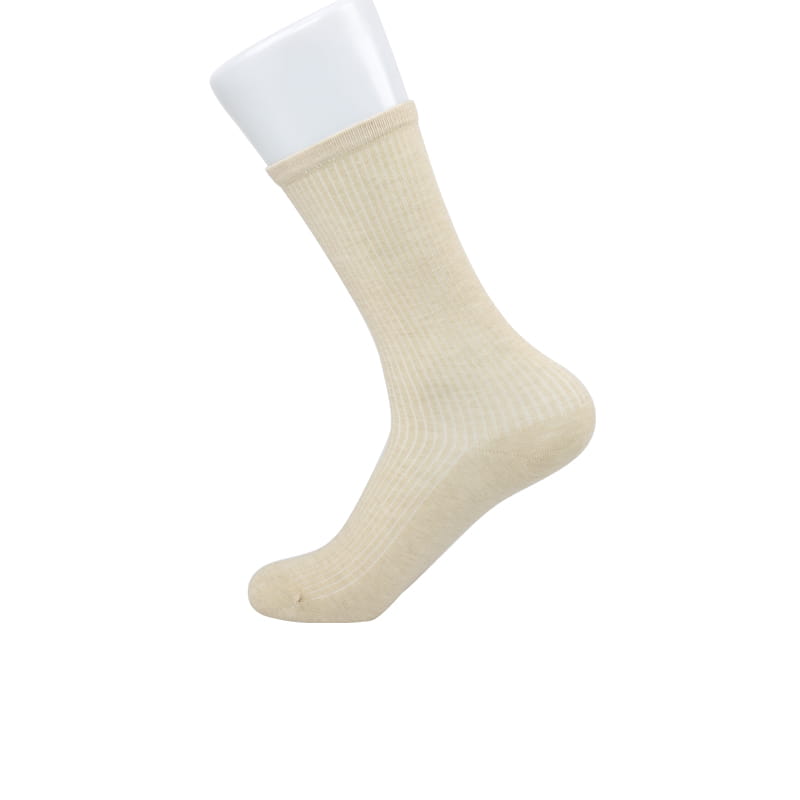
NO. WSD1412 Size EU35-39 Age Adu...
View More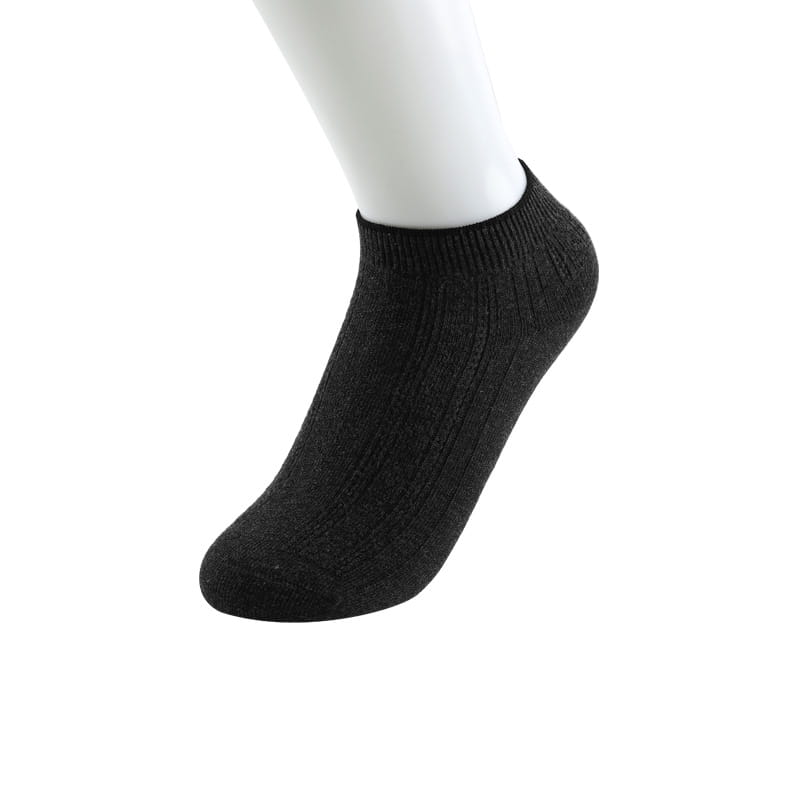
NO. WSD1232 Size EU35-39 Age Adu...
View More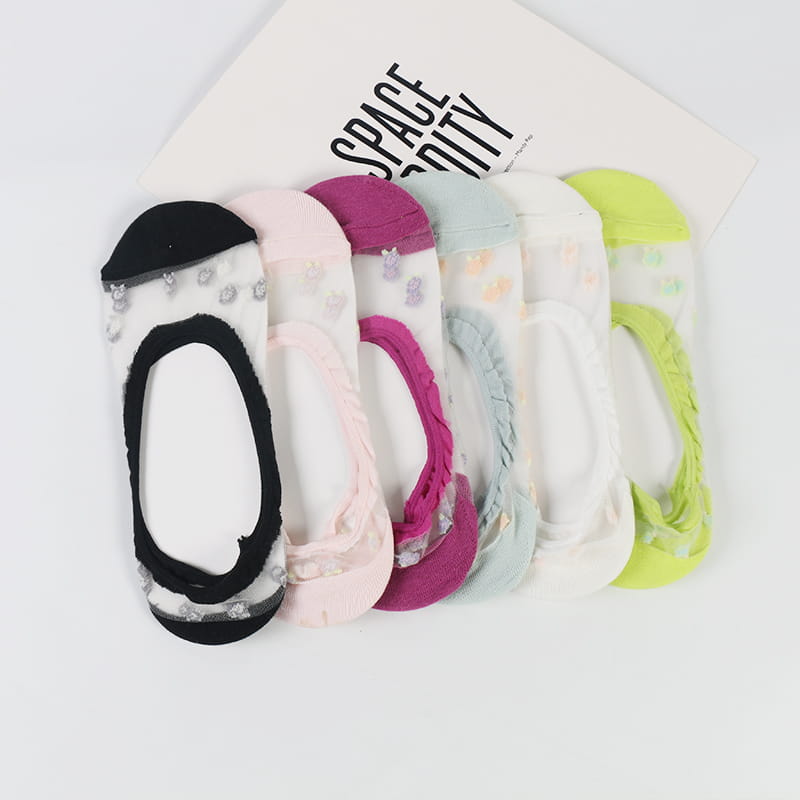
NO. WSD1151 Size EU35-39 Age Adu...
View More

+86-13586371153
+86-0573-87670680
[email protected] [email protected]
8-1 Yongsheng Road, Qianjiang Industrial Park, Dingqiao, Haining, Zhejiang, PRC
Copyright © Haining Wanshida Hosiery Co.,LTDAll Rights Reserved. China Custom Socks Manufacturers