
Content
If your feet tend to sweat throughout the day, you already know the frustration — damp socks, unpleasant odors, blisters, and that uncomfortable squelching feeling inside your shoes. Sweaty feet, medically known as hyperhidrosis, affect millions of people. While there is no one-size-fits-all solution, choosing the right socks is one of the most effective and immediate steps you can take to manage the problem. The material, construction, and fit of your socks all play a major role in how well your feet stay dry and fresh. This guide breaks down exactly what to look for.
The fabric your socks are made from determines how well moisture is pulled away from your skin, how quickly it evaporates, and whether bacteria — the source of foot odor — can thrive. Not all fabrics are created equal when it comes to managing sweat. Some trap heat and moisture, making things worse, while others actively work to keep your feet cool and dry.
The two key properties to look for are moisture-wicking and breathability. Moisture-wicking fabrics draw sweat away from the skin to the outer surface of the sock where it can evaporate. Breathable fabrics allow airflow through the sock, which speeds up that evaporation. The best socks for sweaty feet combine both of these qualities.
Merino Wool
Merino wool is widely regarded as one of the best materials for sweaty feet, and for good reason. Unlike traditional wool, merino fibers are ultra-fine and soft against the skin. Merino wool is naturally moisture-wicking, absorbing up to 30% of its weight in moisture without feeling wet. It is also naturally antimicrobial, which means it resists the bacterial growth that causes foot odor. Additionally, merino wool is temperature-regulating — it keeps feet cool in summer and warm in winter. This makes it an excellent year-round choice for people who deal with excessive sweating.
Bamboo-derived fabrics, often labeled as bamboo viscose or bamboo rayon, offer impressive moisture management. Bamboo socks are highly breathable, soft, and naturally hypoallergenic. The hollow fiber structure of bamboo allows for excellent airflow and rapid moisture evaporation. Many bamboo socks also carry mild antibacterial properties due to a bio-agent found naturally in the plant. For people with sensitive or sweaty feet, bamboo is a gentler alternative to synthetic wicking fabrics.
Copper-infused socks have gained popularity for their strong antimicrobial and antifungal properties. Copper ions actively kill bacteria and fungi on contact, making these socks a strong choice for people prone to foot odor or athlete’s foot alongside heavy sweating. These socks often combine copper with moisture-wicking synthetic fibers to deliver both dryness and hygiene benefits in a single product.
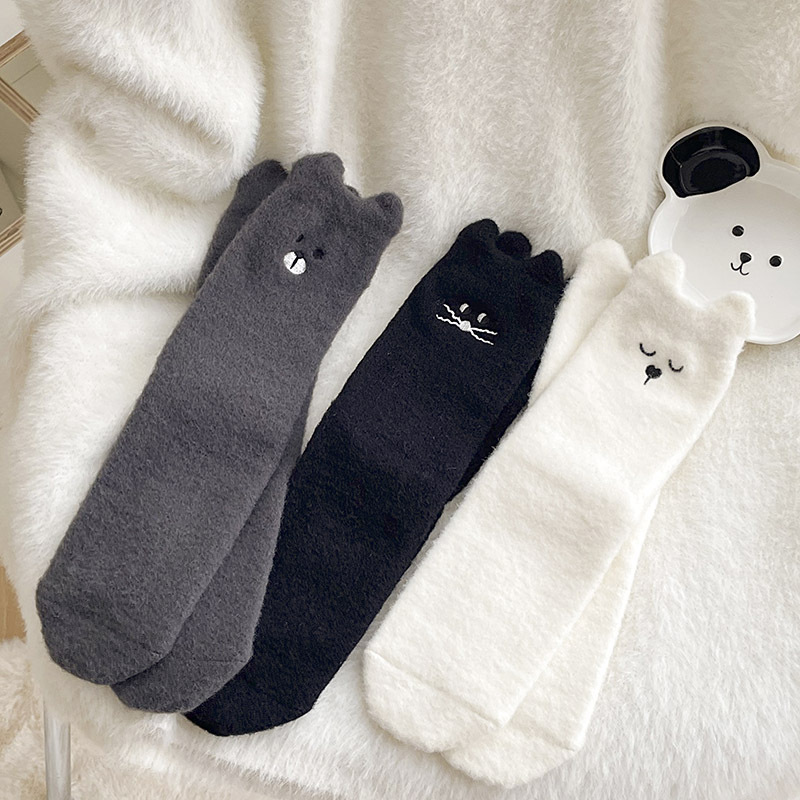
Polyester, nylon, and CoolMax (a polyester variant engineered for moisture management) are performance fabrics commonly used in athletic socks. These materials are excellent at pulling sweat away from the skin quickly and drying fast. They are also highly durable and affordable. However, unlike merino wool or bamboo, synthetic fabrics are not naturally antimicrobial, so they may develop odors over time if not washed frequently. For intense physical activity or long workdays on your feet, synthetic wicking socks are a reliable go-to.
Just as important as knowing what works is knowing what to steer clear of. Certain materials are particularly problematic for people with sweaty feet:
100% Cotton: Cotton absorbs moisture but does not wick it away. It holds sweat against your skin, increasing the risk of blisters, chafing, and fungal infections. Contrary to popular belief, cotton is one of the worst choices for sweaty feet.
Acrylic: Acrylic fibers trap heat and moisture and offer little to no breathability. They tend to cause sweating even in cool conditions.
Thick, heavily padded socks without ventilation: While cushioning can be helpful, socks with dense padding and no ventilation channels trap heat and prevent moisture from escaping.
Ventilation Panels or Mesh Zones
Many performance socks are designed with mesh or ventilation panels on the top of the foot or around the toe box. These zones create channels for air to flow through, dramatically improving breathability. Even if the base material is good, a sock with strategic ventilation will outperform a plain sock of the same fabric in terms of keeping feet dry.
Seams inside socks create friction and pressure points that can lead to blisters when feet are sweaty. Seamless toe construction eliminates this issue, making them far more comfortable for people who experience significant moisture. Look for socks labeled “seamless toe” or “hand-linked toe” for the smoothest interior finish.
Socks that fit loosely tend to bunch and create friction. An anatomical fit — meaning the sock is shaped specifically for the left and right foot — reduces bunching and keeps the fabric smooth against your skin. Arch support bands also help the sock stay in place throughout the day, which is especially important when sweating causes socks to shift inside shoes.
While not a sock feature, it is worth noting that pairing good wicking socks with moisture-absorbing insoles can dramatically improve comfort. Insoles made from activated charcoal, cedar, or antimicrobial foam work synergistically with your socks to manage excess sweat and odor.
Beyond material and construction, the style and length of your sock can affect moisture management. Here is a quick comparison of popular sock types for sweaty feet:
| Sock Type | Best For | Sweat Management | Notes |
| No-Show / Liner | Casual shoes, loafers | Moderate | Minimal coverage; look for silicone heel grips |
| Ankle Socks | Sneakers, everyday use | Good | Versatile; choose wicking fabrics |
| Quarter / Crew | Athletic activities | Very Good | More coverage reduces rubbing; common in sport socks |
| Knee-High / Compression | Long days standing, travel | Good with right material | Compression improves circulation; choose breathable fabrics |
For most people with sweaty feet, crew-length athletic socks in merino wool or a synthetic wicking blend offer the best balance of coverage, breathability, and moisture control. No-show socks are convenient but provide the least surface area for moisture to evaporate, making them a weaker option if sweating is severe.
Even the best moisture-wicking socks will underperform if they are not cared for properly. Washing socks inside out helps clean the inner surface — where sweat, dead skin, and bacteria accumulate — more effectively. Avoid using fabric softener on performance socks, as it coats the fibers and reduces their wicking ability over time. Air drying rather than tumble drying extends the life of elastic and wicking fibers. For merino wool specifically, use a gentle or wool cycle with cool water to prevent shrinkage. Rotating between multiple pairs also extends sock life and gives each pair time to fully dry and air out between uses.
Choosing the right socks is a foundational step, but a few additional habits can make a significant difference in day-to-day comfort:
Change your socks mid-day if sweating is heavy — even the best socks have a limit, and a fresh pair in the afternoon can reset your comfort level entirely.
Rotate your shoes daily so each pair has 24 hours to fully dry before being worn again. Wearing the same shoes two days in a row concentrates moisture and bacteria.
Apply foot antiperspirant or powder in the morning before putting on socks. Products containing aluminum chloride or talc-free powders like baking soda can reduce sweat at the source.
Choose shoes made from breathable materials like leather, canvas, or mesh. No sock, however good, can fully compensate for a shoe that seals in heat and moisture.
Wash your feet thoroughly every day — including between the toes — and dry them completely before putting on socks. Even a small amount of residual moisture creates a breeding ground for bacteria.
The best socks for sweaty feet prioritize moisture-wicking performance, breathability, and antimicrobial properties over simple thickness or cotton softness. Merino wool stands out as the top all-around choice, while bamboo and copper-infused fabrics are excellent for those with odor or sensitivity concerns. Synthetic performance fabrics like CoolMax are ideal for active use. Pay attention to construction details — ventilation panels, seamless toes, and anatomical shaping all contribute meaningfully to comfort. Combined with good foot hygiene and smart footwear choices, the right pair of socks can make a substantial difference in how your feet feel throughout the day.
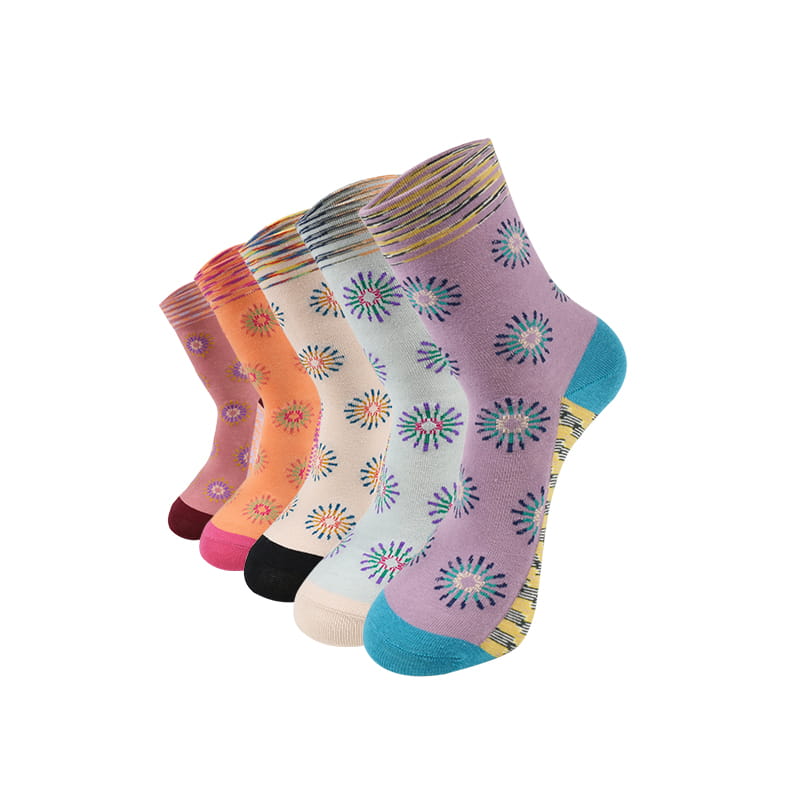
NO. WSD1310 Size EU35-39 Age Adu...
View More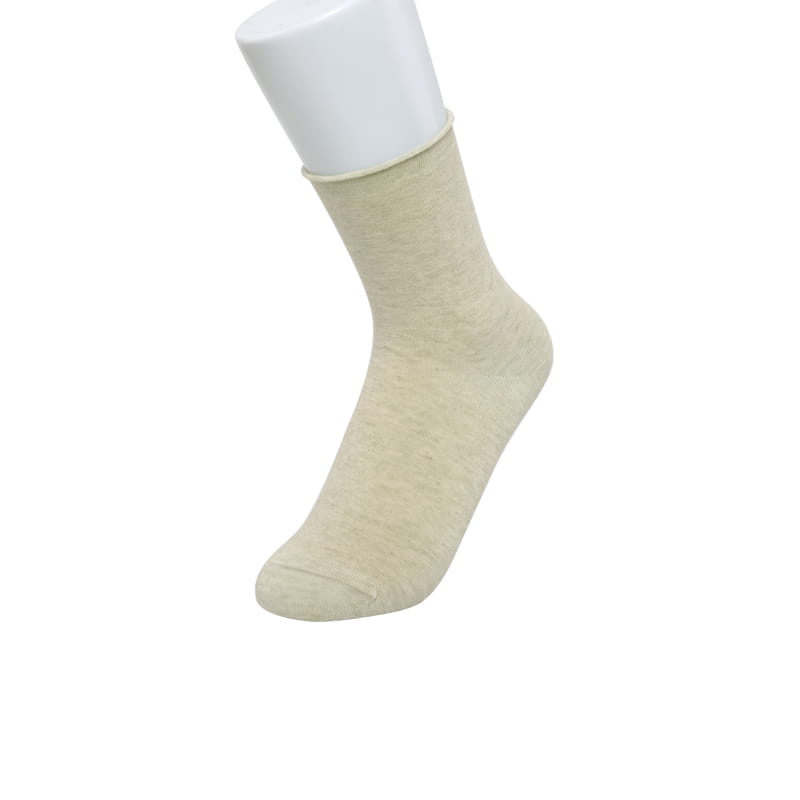
NO. WSD1419 Size EU35-39 Age Adu...
View More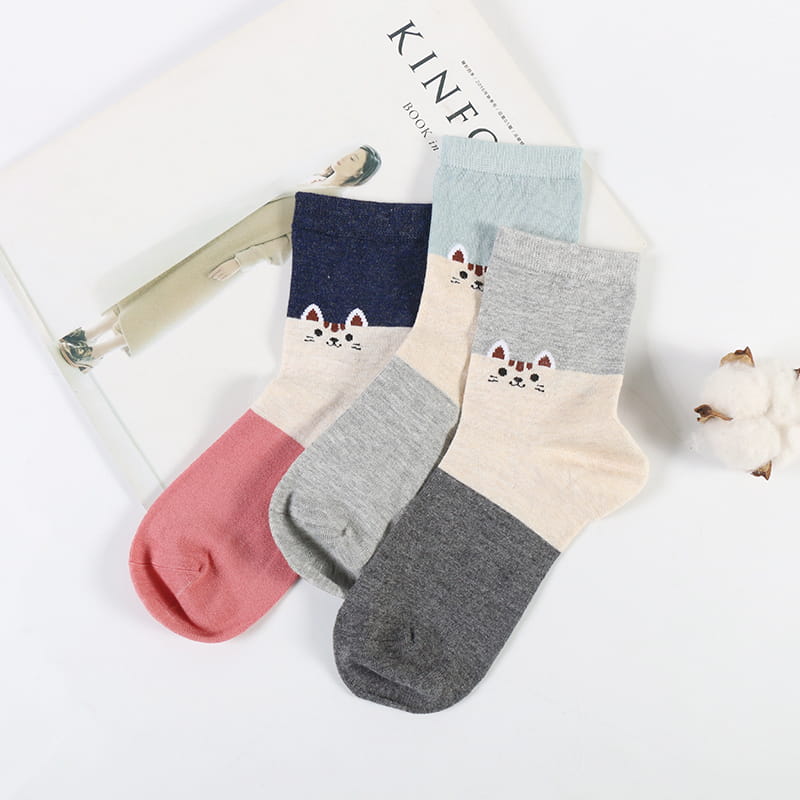
NO. WSD1512 Size EU35-39 Age Adu...
View More
NO. WSD1502 Size EU35-39 Age Adu...
View More
NO. WSD1132 Size EU35-39 Age Adu...
View More
NO. WSD1140 Size EU35-39 Age Adu...
View More

+86-13586371153
+86-0573-87670680
[email protected] [email protected]
8-1 Yongsheng Road, Qianjiang Industrial Park, Dingqiao, Haining, Zhejiang, PRC
Copyright © Haining Wanshida Hosiery Co.,LTDAll Rights Reserved. China Custom Socks Manufacturers