
Content
There are many differing opinions regarding whether or not you should turn your socks inside out before washing them. Some argue that you absolutely must, or else they won’t get clean; others say it makes no difference. However, I’m here to share a surprising conclusion: when washing socks, you really shouldn’t turn them inside out. This isn’t merely an excuse for laziness; from a scientific standpoint, not turning them inside out is actually more hygienic and safer. Those who never bother to flip their socks aren’t being lazy—they’re simply using the correct method. Let me explain the reasoning below.
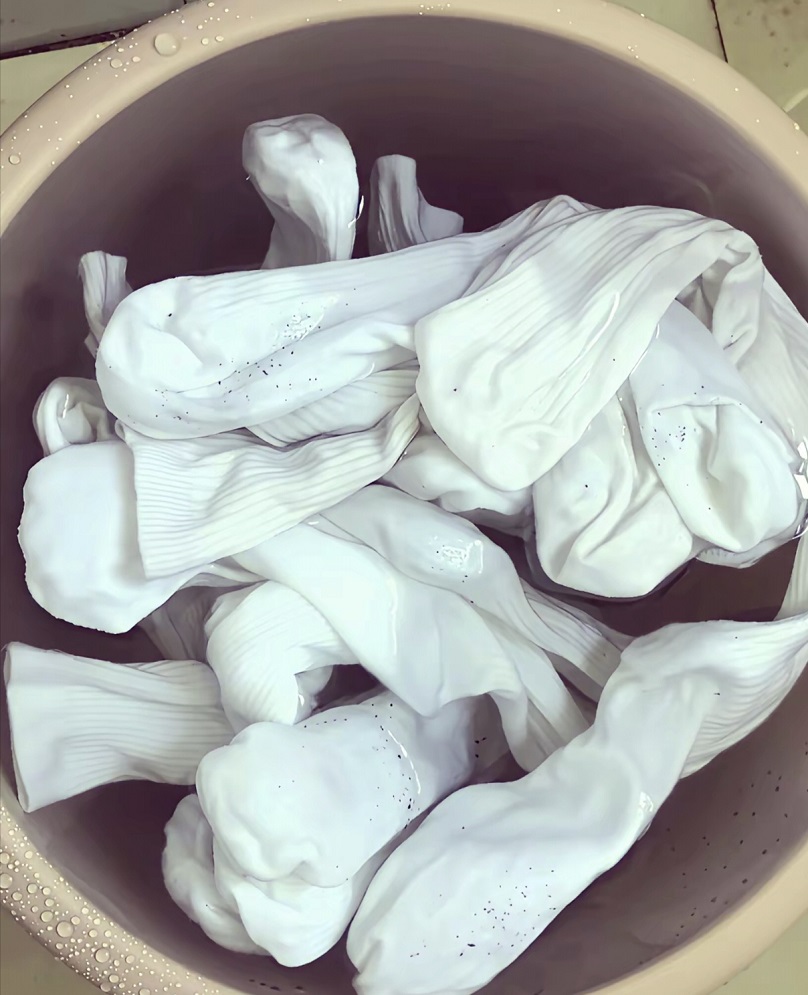
Many people assume that since the outside of a sock rubs against the ground and the inside of your shoes, the exterior must be the dirtier part. They are wrong.
The inside of the sock is what comes into direct contact with your feet—meaning foot sweat, dead skin cells, and fungi are all concentrated there. Dermatophytes—the primary culprits behind athlete’s foot and fungal nail infections—thrive in environments that are warm, damp, and rich in nutrients.
The interior of a sock serves as a major stronghold for these fungi. While the dirt on the outside is usually just dust or grime, failing to properly clean the inside poses a genuine health risk.
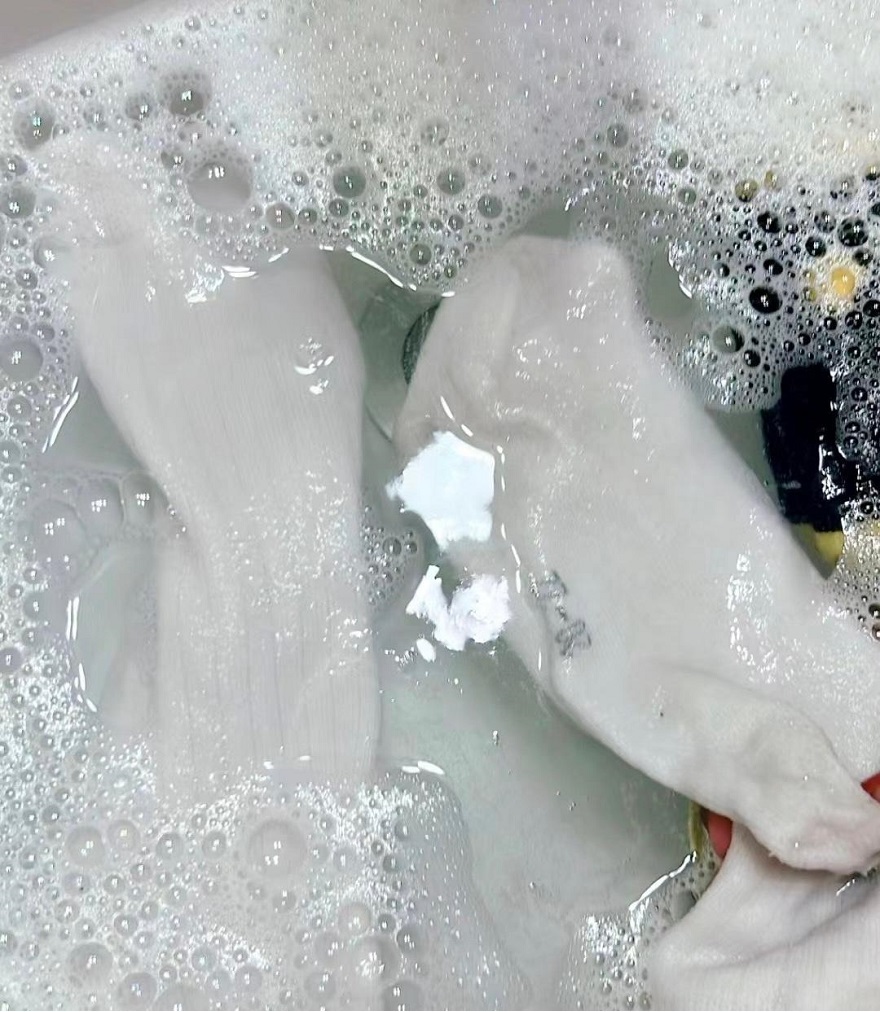
Since the inside is the dirtiest part, shouldn’t you turn the socks inside out to give that area a more thorough wash?
That sounds logical, but this line of reasoning contains a fatal flaw: the moment you turn the socks inside out, you effectively “liberate” the fungi trapped within them.
Picture this: you take a pair of socks saturated with sweat and fungi and turn them inside out. The grime on the inner surface is suddenly exposed; your fingers come into direct contact with it; and as the water flows, the fungi are splashed everywhere—contaminating the laundry sink, the faucet, other clothing items… everything.
If you wash the socks without turning them inside out, the grime remains “locked” inside the sock, preventing the fungi from spreading. Laundry detergent can still penetrate through the fibers’ microscopic gaps to clean the socks just as effectively.
Experiments have also confirmed that—in terms of residual fungal levels after washing—there is no significant difference between socks that were turned inside out and those that weren’t. However, the risk of cross-contamination caused by turning them inside out is a very real and tangible threat.
Protects your hands: By not turning them inside out, your hands only come into contact with the relatively clean exterior surface. You avoid having to directly touch sweat and fungi, and you eliminate the need to repeatedly use harsh disinfectants that can damage your skin.
Saves time and effort: You don’t have to waste time flipping them inside out before washing, nor do you have to flip them back right-side out after drying. Over the course of a year, this adds up to several hours of saved time.
Prevents transmission to family members: By keeping the fungi contained within the socks, you significantly reduce the risk of spreading infections to other members of your household. By not turning them inside out, the fungi remain “trapped” within the socks, preventing them from contaminating the washing machine or other garments. Many people struggle with recurring athlete’s foot precisely because the cycle of cross-infection within the household has not been broken. Washing socks without turning them inside out is the simplest step you can take to prevent this.
Not turning socks inside out doesn’t mean you can simply toss them into the machine haphazardly. Keep these three points in mind:
Water temperature above 60°C—fungi are susceptible to heat.
Use an antibacterial laundry detergent—standard detergents have limited germ-killing power.
Dry them thoroughly (either in the sun or in a dryer)—dampness creates a breeding ground where fungi can revive.
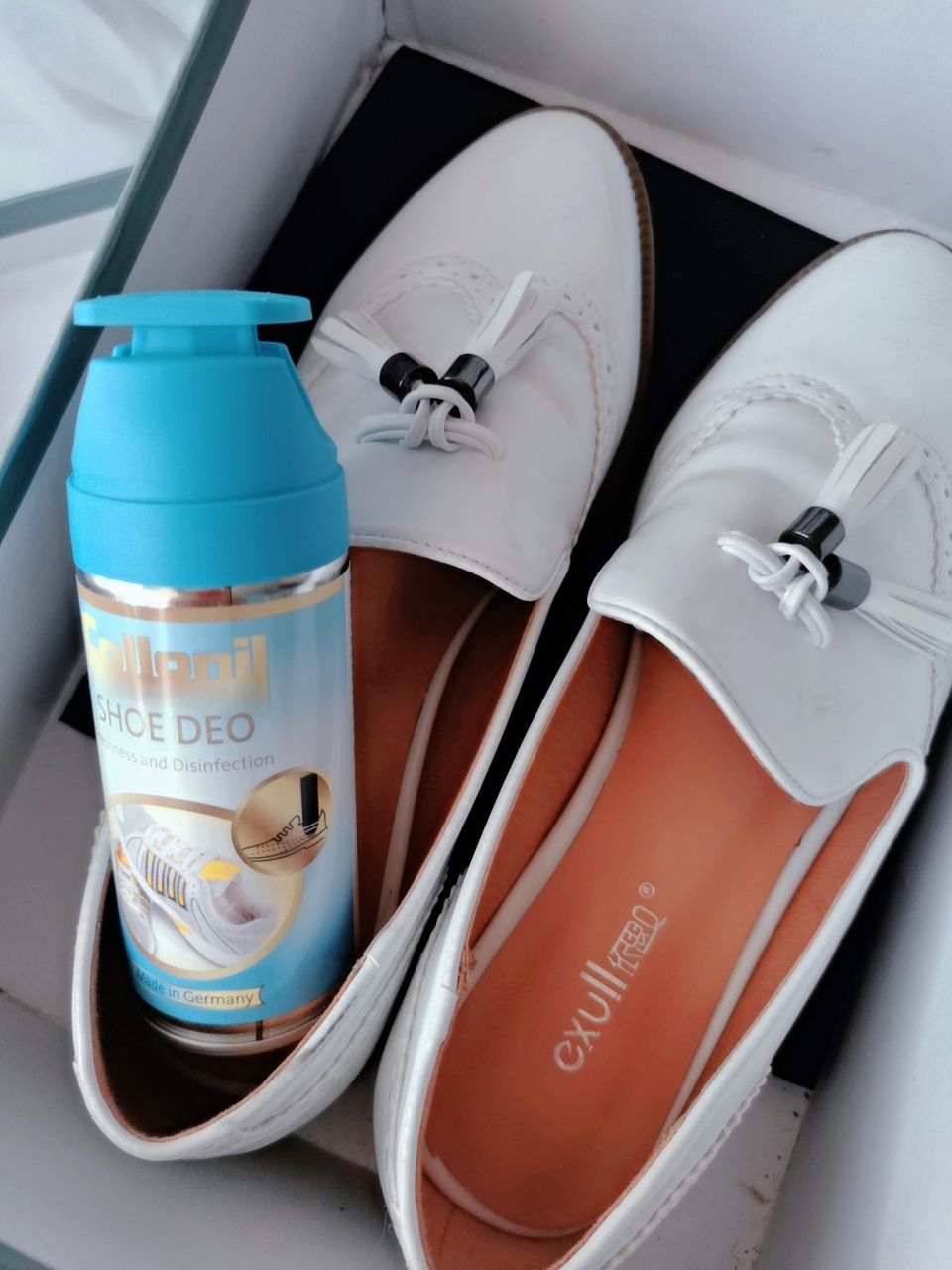
Additionally, wash socks separately from other clothing—especially underwear. Athlete’s foot and fungal nail infections require proper medical treatment, and your shoes should also be treated regularly; only when socks, feet, and shoes are treated in tandem can you truly eradicate the problem at its root.
You aren’t being lazy; you’ve simply stumbled upon the correct scientific method by pure chance. You’ve protected your hands, minimized the spread of fungi, and saved yourself time and effort.
The next time someone asks you whether or not to turn socks inside out when washing them, you can answer with confidence:
Don’t turn them. That is the correct way.
Washing socks without turning them inside out isn’t laziness—it’s wisdom.
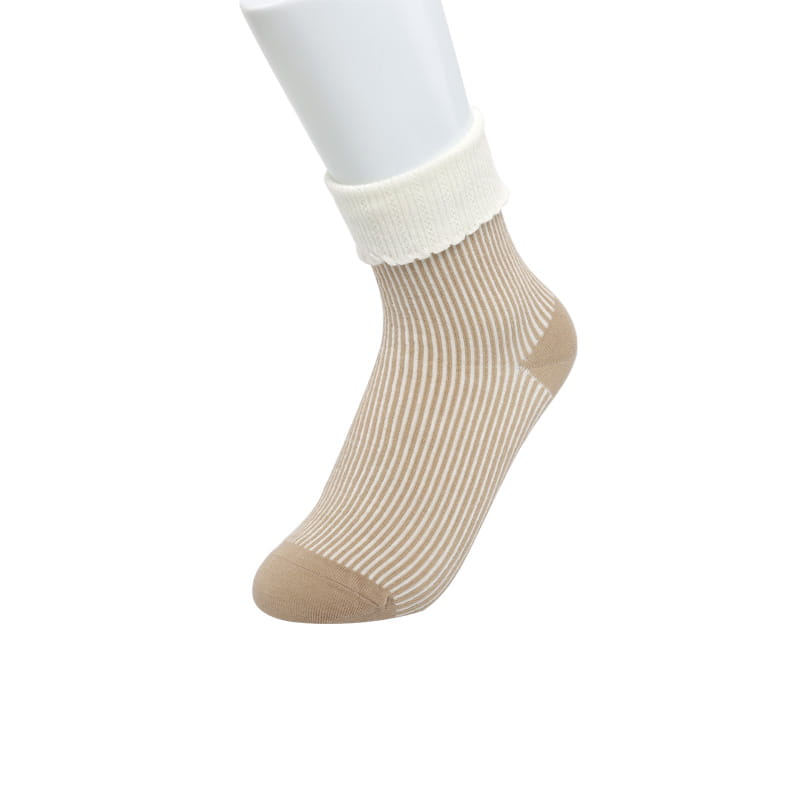
NO. WSD1321 Size EU35-39 Age Adu...
View More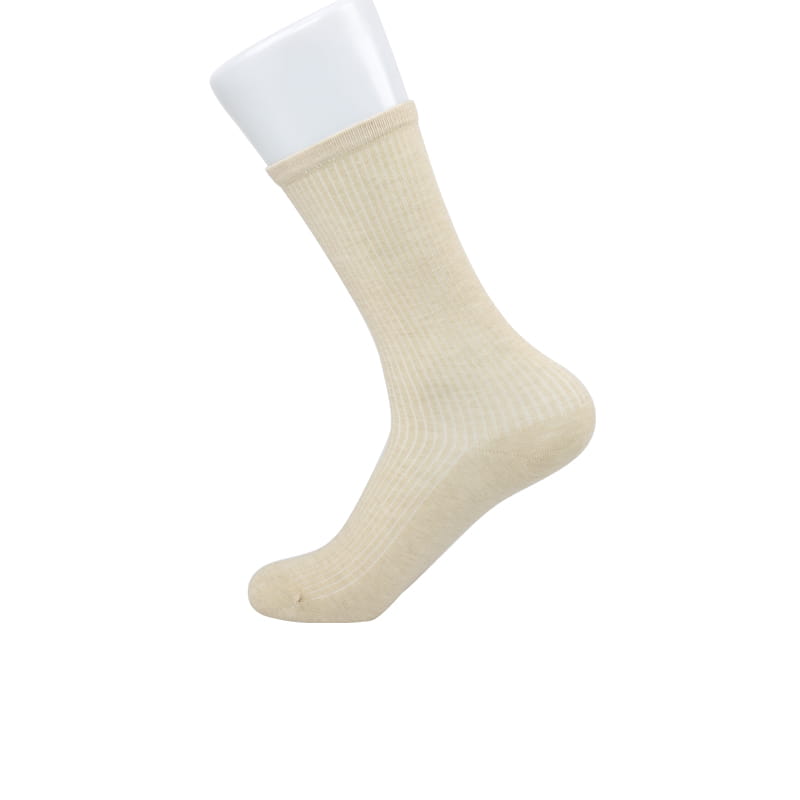
NO. WSD1412 Size EU35-39 Age Adu...
View More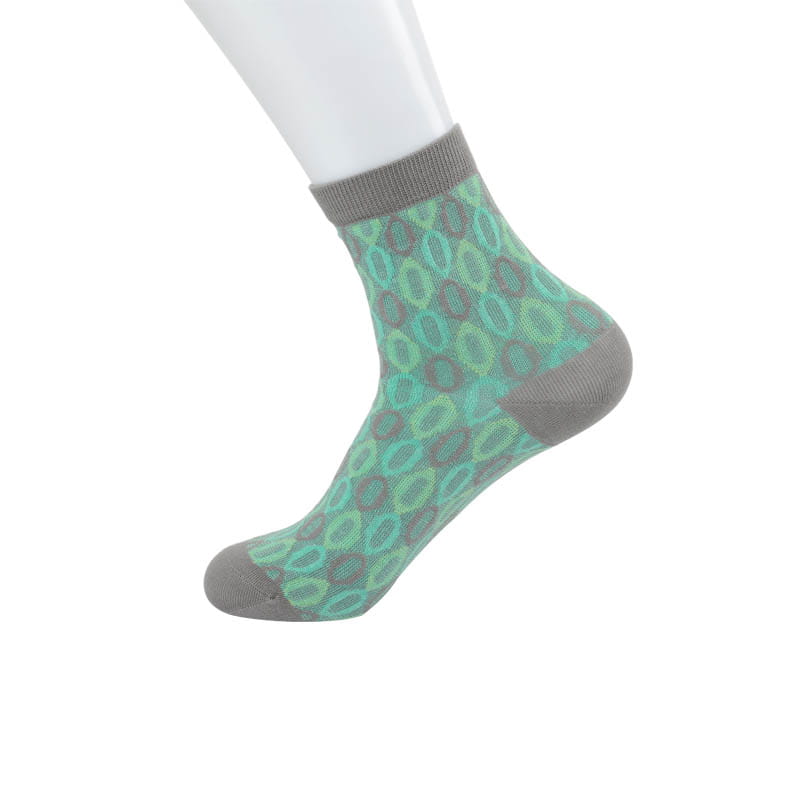
NO. WSD1143 Size EU35-39 Age Adu...
View More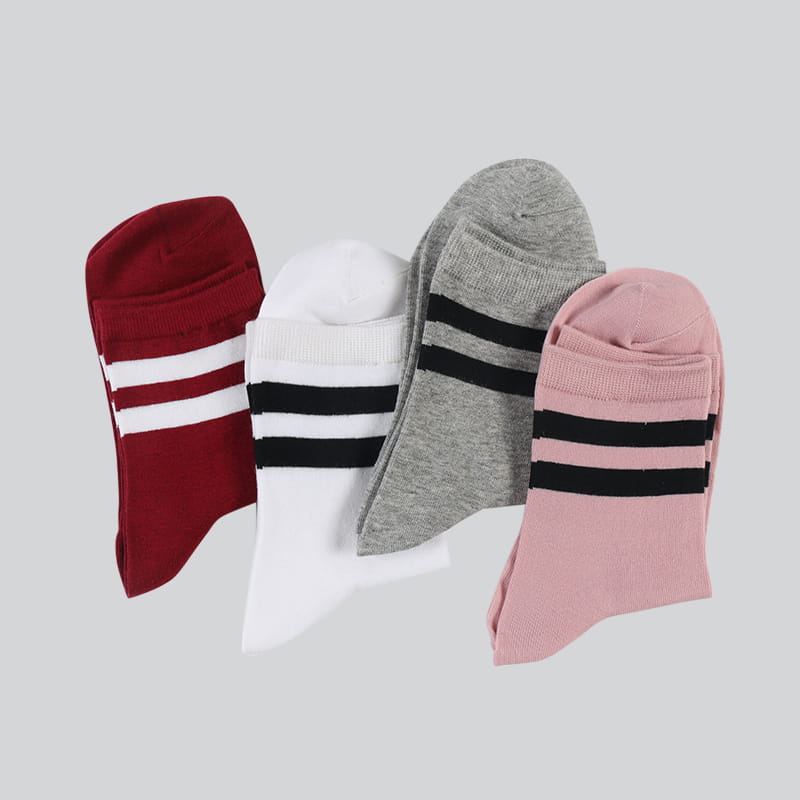
NO. WSD1463 Size EU35-39 Age Adu...
View More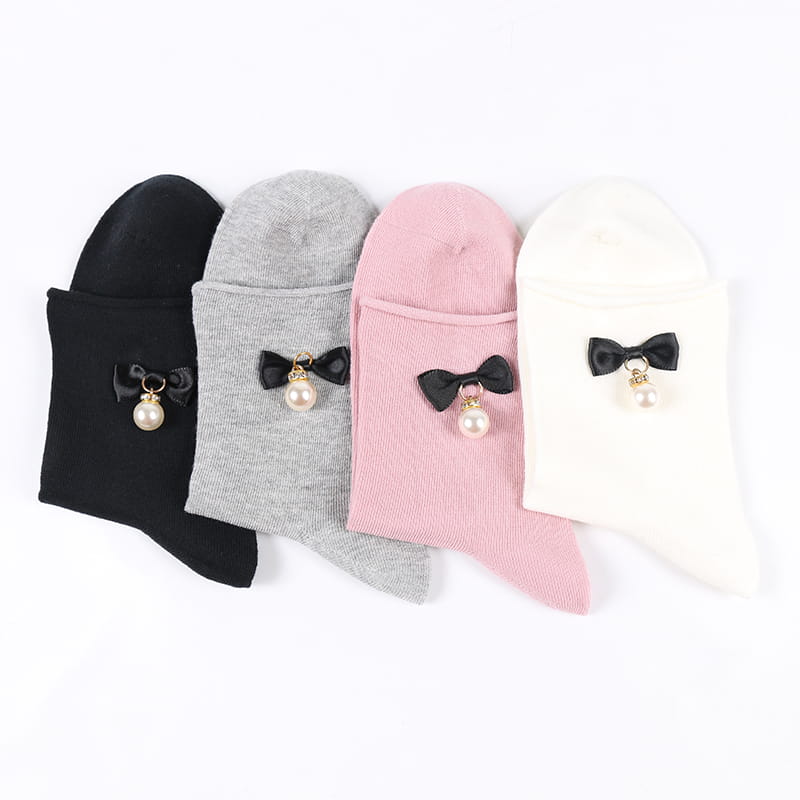
NO. WSD1113 Size EU35-39 Age Adu...
View More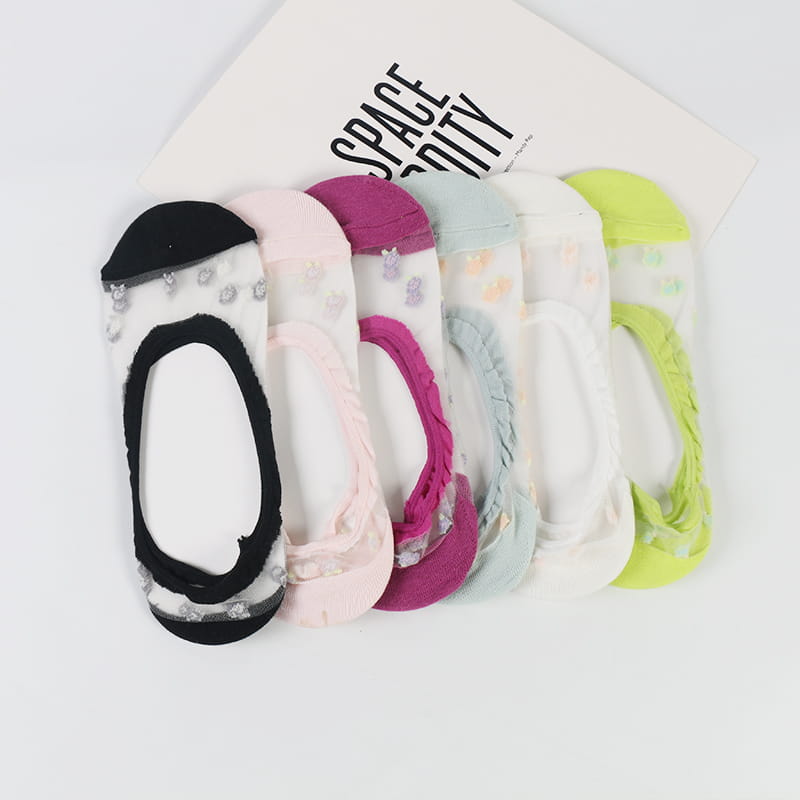
NO. WSD1151 Size EU35-39 Age Adu...
View More

+86-13586371153
+86-0573-87670680
[email protected] [email protected]
8-1 Yongsheng Road, Qianjiang Industrial Park, Dingqiao, Haining, Zhejiang, PRC
Copyright © Haining Wanshida Hosiery Co.,LTDAll Rights Reserved. China Custom Socks Manufacturers