
Content
When it comes to performance socks, Darn Tough has earned a near-legendary reputation among hikers, outdoor workers, and anyone who spends serious time on their feet. Made in Vermont using Merino wool, their thick sock styles are engineered for durability, comfort, and long-term use. Unlike budget socks that wear thin after a season, Darn Tough thick socks are backed by an unconditional lifetime guarantee — if they wear out, the company replaces them. This isn't just a marketing claim; it reflects genuine confidence in their construction.
The thick cushioning in Darn Tough socks comes in several grades: light cushion, medium cushion, and full cushion. Each level serves a different purpose. Light cushion offers a bit of padding without bulk, medium cushion is ideal for day hikes and moderate activity, and full cushion provides maximum impact absorption for long treks, heavy boots, or cold-weather use. The Merino wool fibers used are naturally moisture-wicking, odor-resistant, and temperature-regulating — making them effective even in both warm and cold conditions.
The dense knit structure also means these socks resist bunching inside boots, which is a significant comfort factor on long trails. Unlike synthetic socks that can create friction hotspots, the fine Merino fibers move with your foot, reducing the risk of blisters during extended wear.
Thick socks are not a one-size-fits-all solution. Knowing when they are the right choice can make a significant difference in your comfort and foot health. Here are the key scenarios where Darn Tough thick socks truly shine:
In short, thick socks belong in environments where your feet face significant stress, cold, or impact. They are workhorses — built for performance over aesthetics.
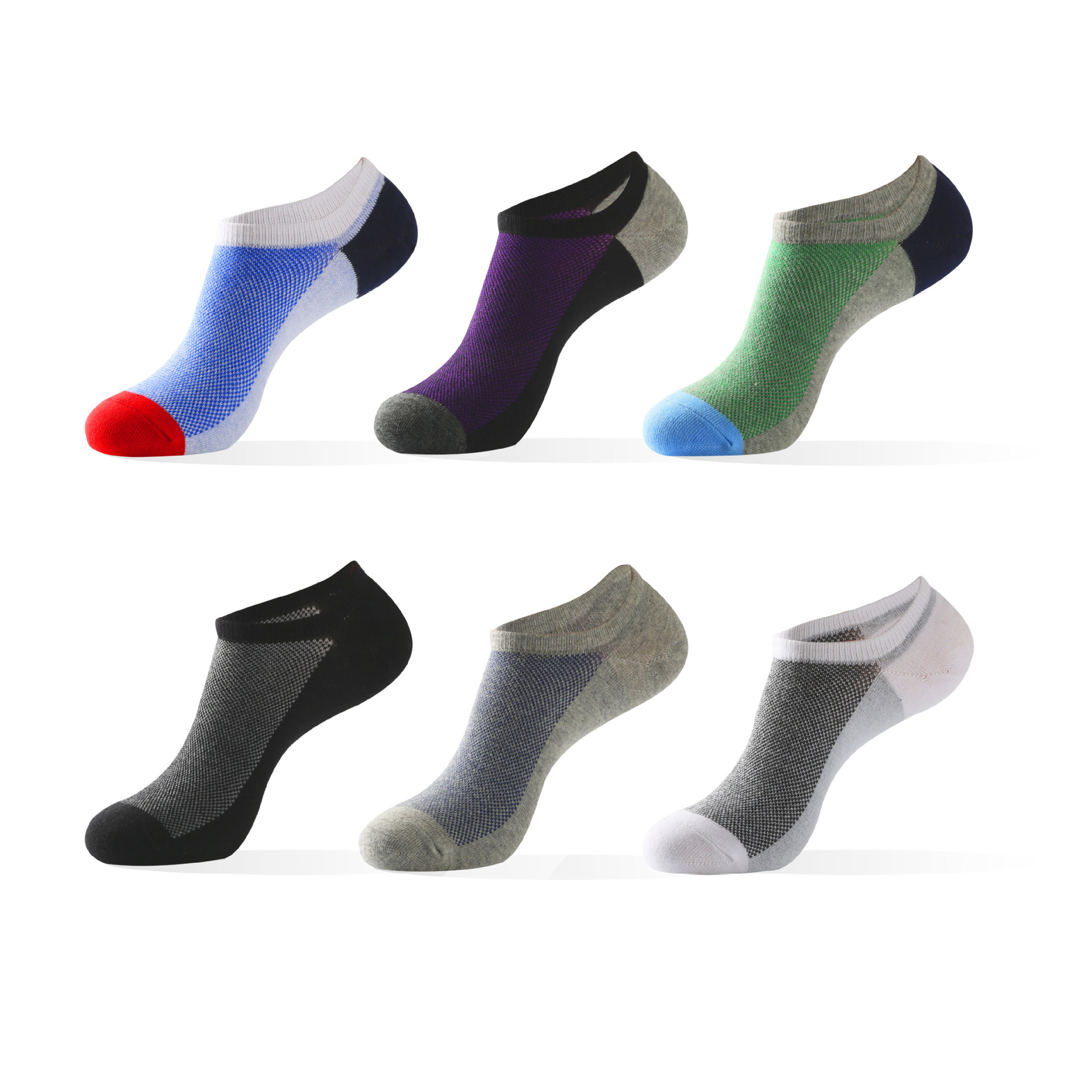
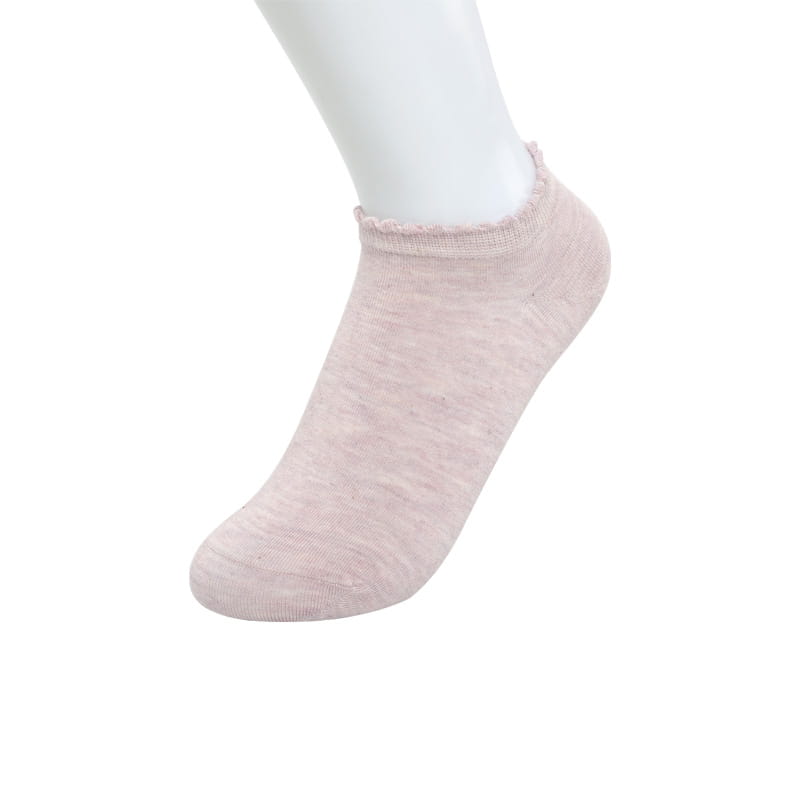
No show socks sit below the ankle and are designed to be invisible when worn with low-cut shoes like sneakers, loafers, boat shoes, or canvas flats. Their appeal is primarily aesthetic — they give the appearance of going barefoot while still providing a hygiene and comfort barrier between your foot and the shoe.
However, choosing the right time to wear no show socks is crucial. Wearing them at the wrong time can lead to discomfort, blisters, or simply looking out of place. Here are the ideal occasions for no show socks:
The key rule with no show socks is fit. A poorly fitting no show sock will slide off the heel within minutes of walking. Look for pairs with a silicone grip strip at the heel to keep them in place, and make sure the toe and ball of the foot are covered to prevent rubbing.
Just as important as knowing when to wear no show socks is understanding when they are the wrong choice entirely. Many people make the mistake of defaulting to no show socks out of habit, which can lead to real problems:
To help clarify which type of sock suits which situation, the table below breaks down their core differences across key criteria:
| Feature | Darn Tough Thick Socks | No Show Socks |
| Cushioning | High (light to full cushion options) | Minimal to none |
| Visibility | Visible above shoe collar | Hidden below shoe line |
| Best Use | Hiking, labor, cold weather | Casual wear, warm weather |
| Durability | Extremely high (lifetime guarantee) | Moderate (varies by brand) |
| Material | Merino wool blend | Cotton, nylon, or synthetic |
| Ankle Protection | Yes (crew, knee-high options) | None |
| Odor Resistance | High (natural Merino properties) | Low to moderate |
Rather than choosing between thick socks and no show socks entirely, the smartest approach is to maintain a curated collection that covers different needs. Think of it as building a capsule wardrobe for your feet.
Start with two to three pairs of Darn Tough medium-cushion crew socks for everyday wear, hiking, and colder months. These are versatile enough for casual use yet rugged enough for demanding activities. Add one or two pairs of full-cushion hiking socks if you spend time on trails or work in heavy boots.
Then stock three to five pairs of quality no show socks in neutral colors — black, white, and grey — for your casual sneaker and loafer rotation. Opt for pairs with silicone heel grips to prevent the frustrating slide-down that plagues cheap versions. If you run regularly, a dedicated pair of low-cut athletic no show socks designed for performance is worth having separately from your casual pairs.
Darn Tough Merino socks should be washed in cold or warm water and laid flat or hung to dry — avoid high heat in the dryer, which degrades wool fibers over time. No show socks, depending on their material, can generally tolerate machine washing but benefit from being placed in a mesh laundry bag to avoid losing their shape or mismatching pairs.
The decision between Darn Tough thick socks and no show socks really comes down to three questions: What activity are you doing? What shoes are you wearing? What is the weather like? If your activity involves sustained physical effort, rough terrain, or cold temperatures — reach for the thick socks. If you're dressing casually in low-cut shoes on a warm day and comfort is secondary to aesthetics — no show socks are the right call.
What sets experienced sock-wearers apart is not loyalty to one style but the judgment to match the right sock to the right situation. Darn Tough thick socks are among the best performance socks money can buy, and no show socks serve a genuinely useful aesthetic and functional role in casual dressing. Owning both and knowing when to use each will keep your feet comfortable, protected, and appropriately styled no matter what the day brings.
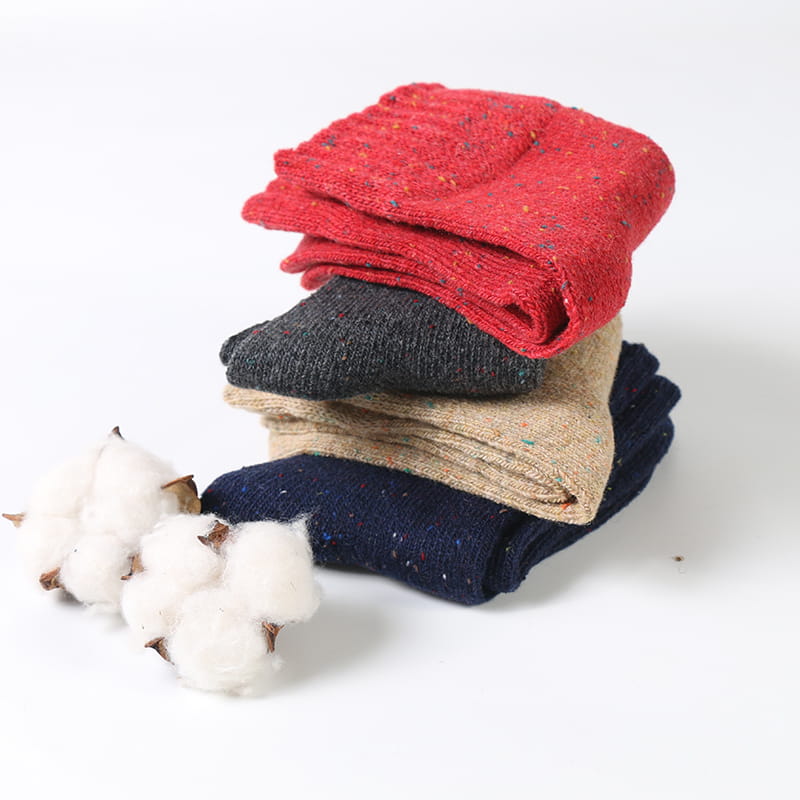
NO. WSD1425 Size EU35-39 Age Adu...
View More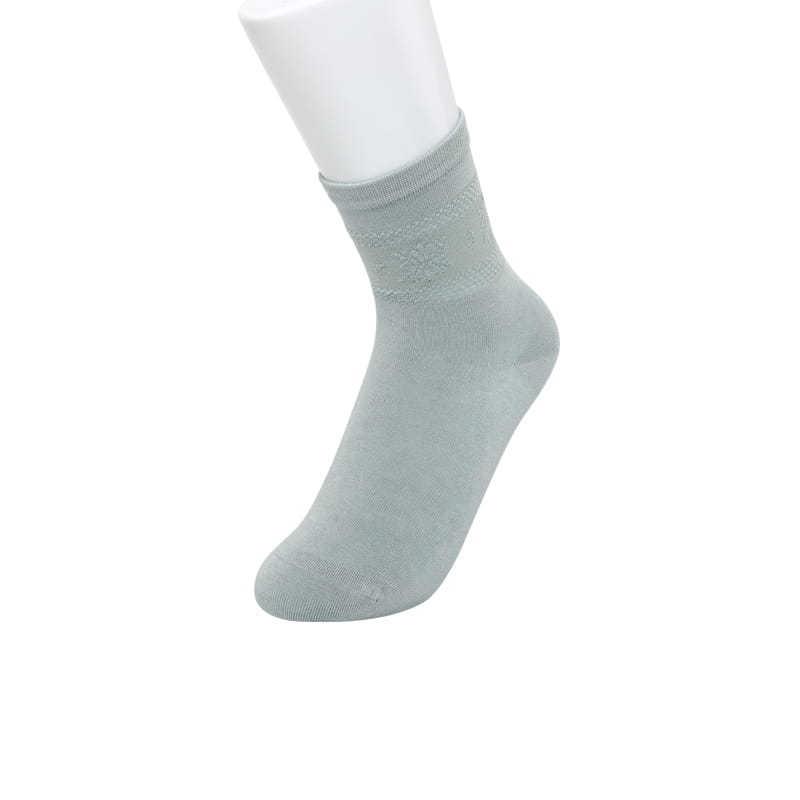
NO. WSD1523 Size EU35-39 Age Adu...
View More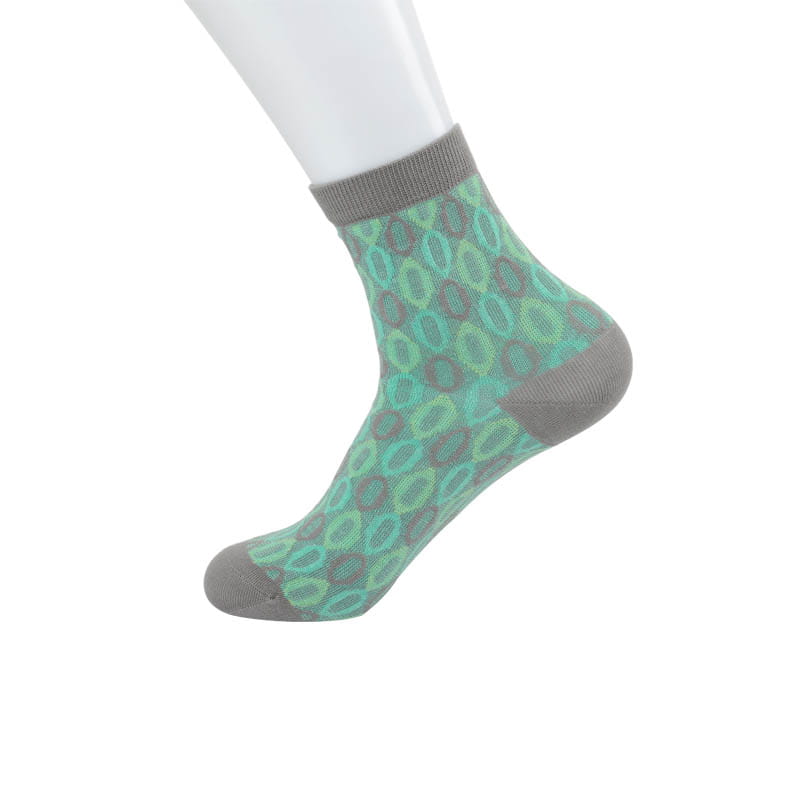
NO. WSD1143 Size EU35-39 Age Adu...
View More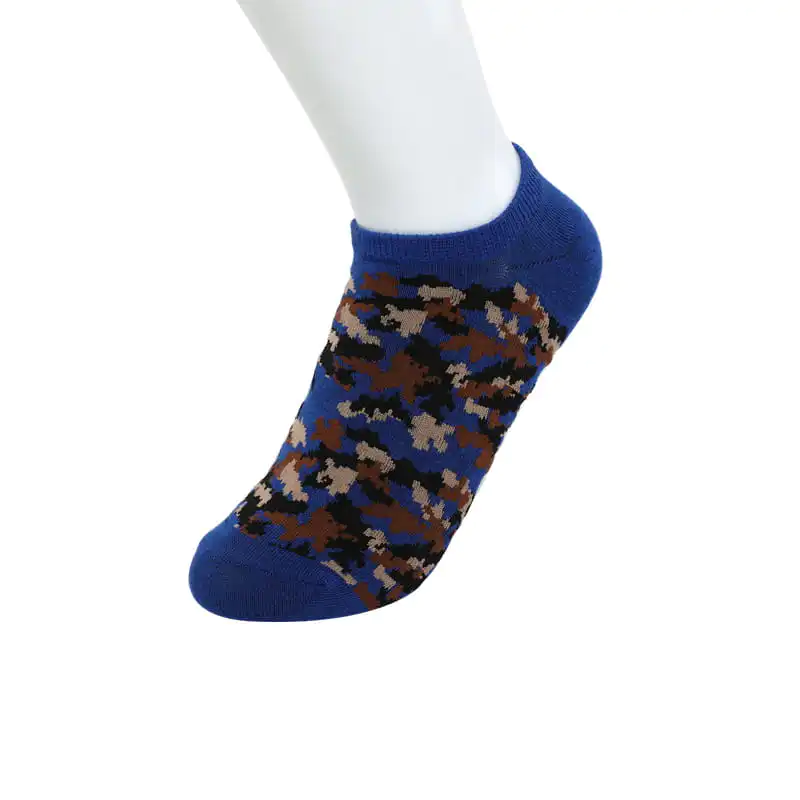
NO. WSD1290 Size EU35-39 Age Adu...
View More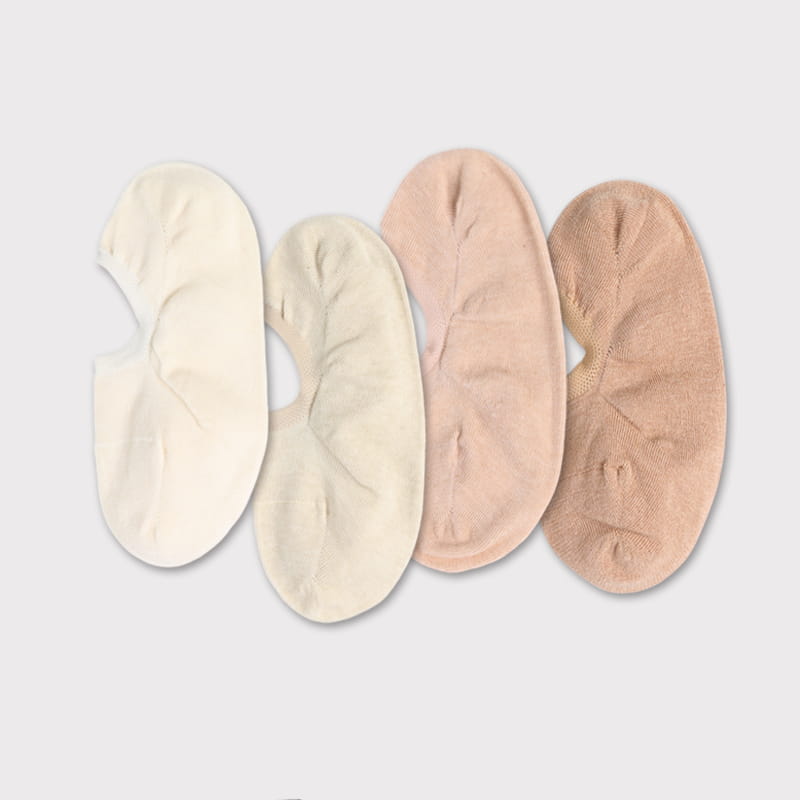
NO. WSD1402 Size EU35-39 Age Adu...
View More

+86-13586371153
+86-0573-87670680
[email protected] [email protected]
8-1 Yongsheng Road, Qianjiang Industrial Park, Dingqiao, Haining, Zhejiang, PRC
Copyright © Haining Wanshida Hosiery Co.,LTDAll Rights Reserved. China Custom Socks Manufacturers