
Content
The global hosiery market was valued at over $42 billion in 2023 and continues to grow — yet most people grab whatever is on top of the pile without a second thought. The reality is that different types of socks are engineered for distinct purposes: moisture control, arch support, thermal insulation, compression, or simple style. Wearing the wrong type doesn't just feel uncomfortable — it can contribute to blisters, poor circulation, and foot fatigue over time.
Understanding the landscape of sock types gives you a practical edge, whether you're outfitting a warehouse team, building a performance athletic kit, or simply upgrading your daily wardrobe.
The most immediately visible difference between sock types is cut — how high the sock rises on the leg. Each cut serves a different purpose beyond aesthetics.
Functional socks are designed around specific physical demands. Choosing the right type can meaningfully affect performance and recovery.
| Type | Key Feature | Best For |
|---|---|---|
| Compression socks | Graduated pressure (15–40 mmHg) | Long flights, runners, medical use |
| Moisture-wicking socks | Synthetic fibers pull sweat away | Athletes, hot climates |
| Thermal / wool socks | Insulation, often merino wool | Hiking, winter, cold workplaces |
| Cushioned socks | Extra padding at heel and ball | Standing jobs, trail running |
| Anti-blister socks | Double-layer or seamless construction | Long-distance runners, military |
| Diabetic socks | Non-binding top, seamless toe | Medical / circulatory needs |
Material composition is arguably the most important factor in sock performance, yet it's the most commonly overlooked. The fiber blend determines how a sock breathes, stretches, holds its shape, and wears over time.
Soft and affordable, cotton absorbs moisture but holds it — making it a poor choice for intense physical activity. Cotton socks become wet and heavy quickly, which increases blister risk on long runs or hikes. Best reserved for casual, low-activity wear.
A premium natural fiber prized for its temperature regulation, odor resistance, and moisture-wicking properties. Merino socks can be worn multiple days without developing odor — a key reason they're the go-to for long-distance hikers and travelers. They're naturally softer than traditional wool and non-itchy against bare skin.
Synthetics excel at moisture management, durability, and elasticity. Nylon adds strength and extends the life of the sock. Spandex (elastane) maintains shape and prevents sagging. Most athletic and performance socks use a synthetic blend rather than a single fiber. Polyester-based socks dry significantly faster than cotton — often two to three times faster.
An increasingly popular eco-alternative. Bamboo-derived rayon is naturally antibacterial, soft, and breathable. It wicks moisture well and suits sensitive skin. The sustainability story appeals to environmentally conscious consumers and brands.
Beyond the mainstream categories, several niche sock types serve specific contexts:
The right sock depends on three variables: activity level, environment, and foot health. Here's a quick decision framework:
Investing in the right sock type for each context — rather than defaulting to one style for everything — is a small change with a measurable impact on daily comfort, athletic output, and long-term foot health.
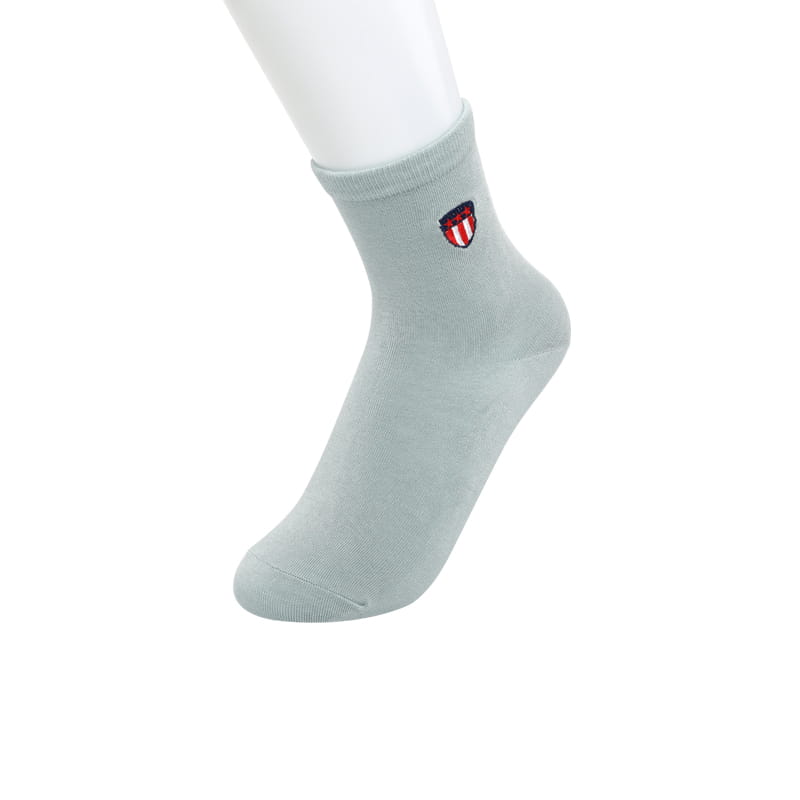
NO. WSD1501 Size EU35-39 Age Adu...
View More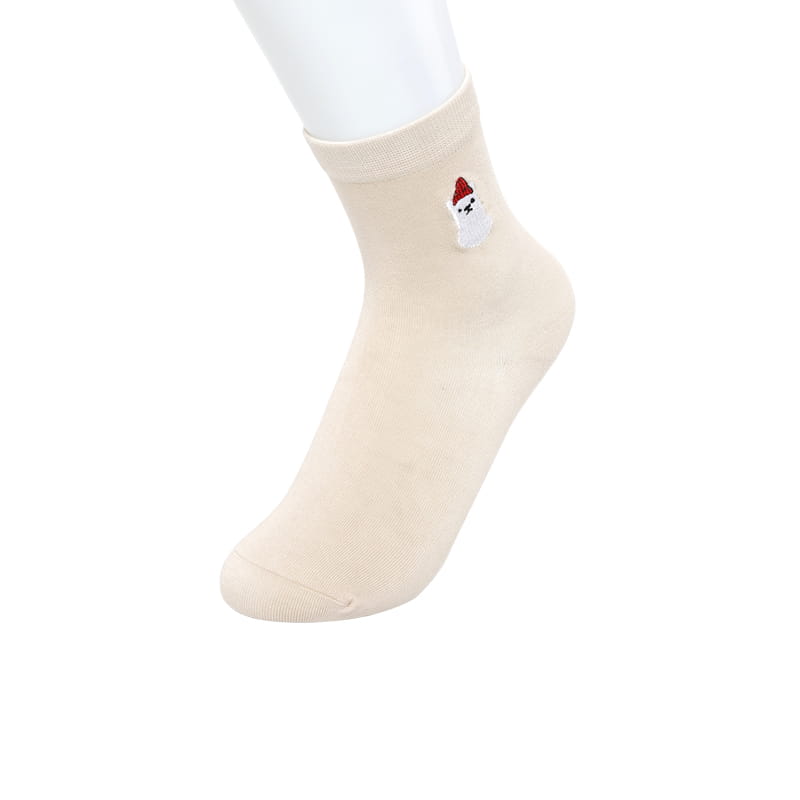
NO. WSD1503 Size EU35-39 Age Adu...
View More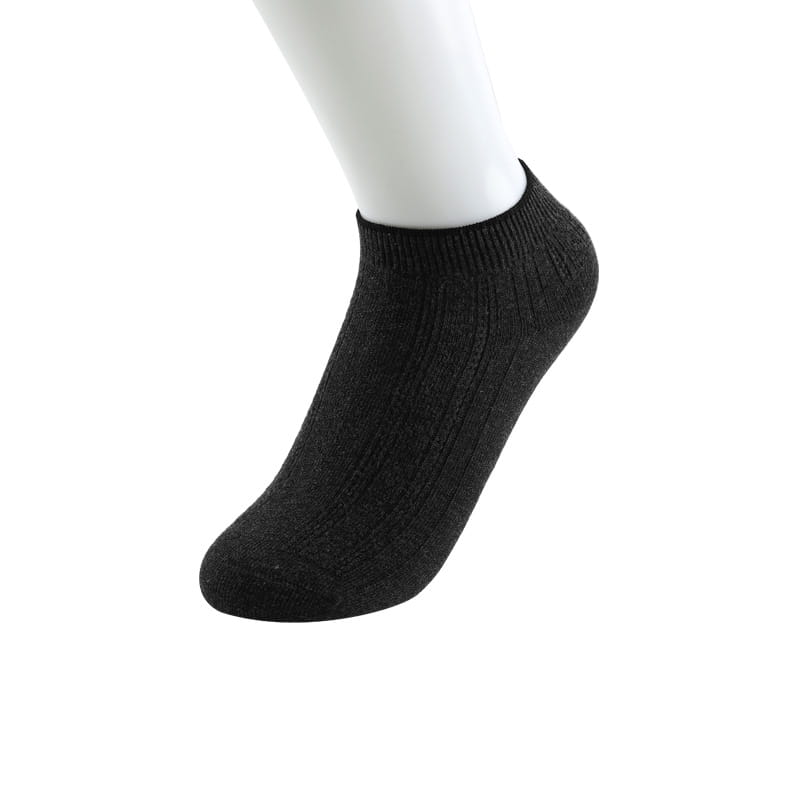
NO. WSD1232 Size EU35-39 Age Adu...
View More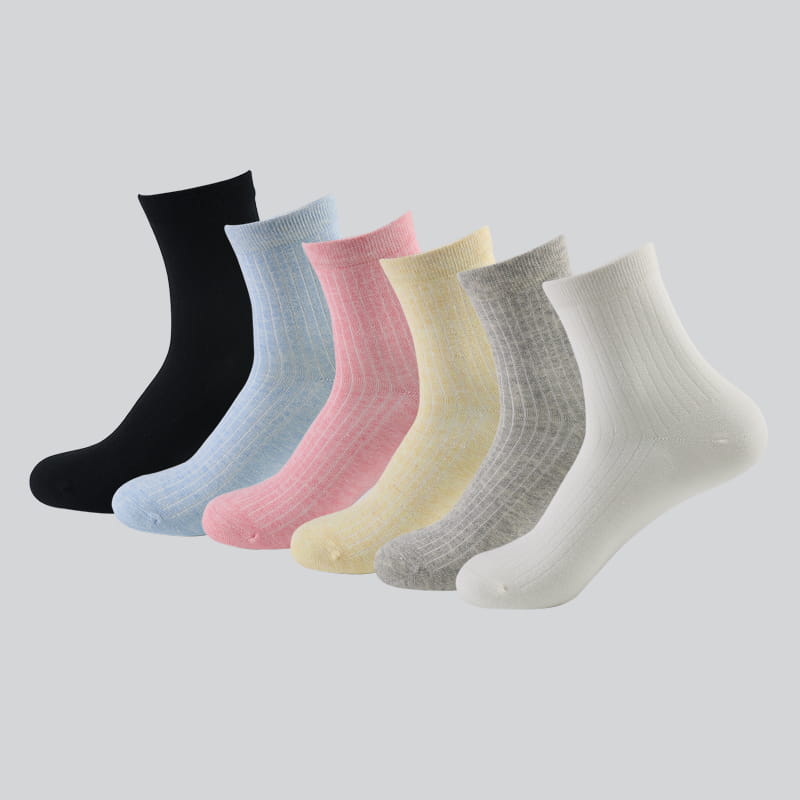
NO. WSD1455 Size EU35-39 Age Adu...
View More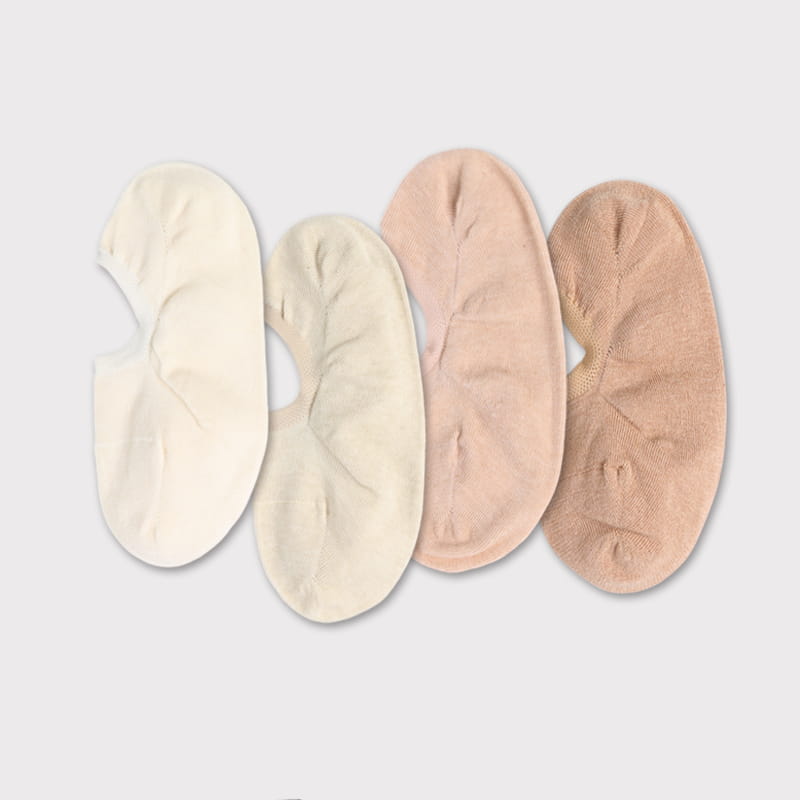
NO. WSD1402 Size EU35-39 Age Adu...
View More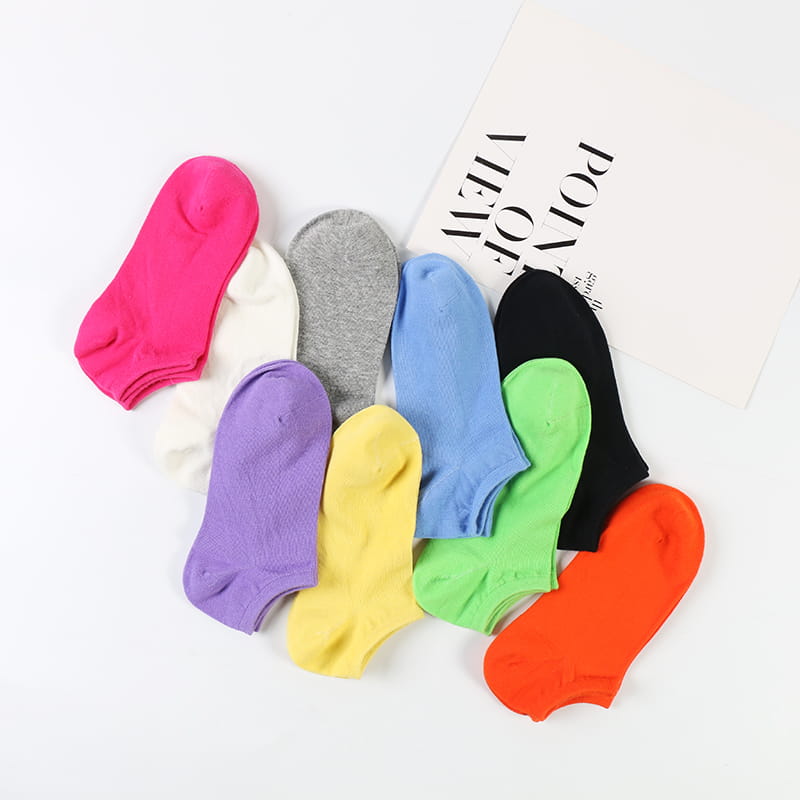
NO. WSD1092 Size EU35-39 Age Adu...
View More

+86-13586371153
+86-0573-87670680
[email protected] [email protected]
8-1 Yongsheng Road, Qianjiang Industrial Park, Dingqiao, Haining, Zhejiang, PRC
Copyright © Haining Wanshida Hosiery Co.,LTDAll Rights Reserved. China Custom Socks Manufacturers