
Content
Women’s socks are far more than a basic wardrobe accessory. The right pair can improve comfort throughout the day, protect the feet from friction, enhance the fit of shoes, and even support athletic performance. Whether used for office wear, casual outings, sports, winter warmth, or fashion styling, choosing the right socks makes a noticeable difference in both comfort and appearance.
Today’s market offers a wide variety of women’s socks in different fabrics, lengths, thicknesses, and designs. From breathable ankle socks for summer sneakers to elegant knee-high socks for boots, every type serves a specific purpose. Understanding the practical differences between these options helps consumers make better buying decisions and helps retailers present products more effectively.
Different occasions require different sock styles. Choosing the correct type depends on footwear, weather, activity level, and personal preference.
Fabric selection directly affects comfort, breathability, durability, and moisture management. One of the most important factors in choosing women’s socks is understanding which material best matches the intended use.
Cotton remains one of the most widely used materials for women’s socks because of its softness and natural comfort. Cotton socks are suitable for everyday wear, office use, and home use. However, pure cotton may retain moisture during intense activity.
Synthetic blends offer better moisture-wicking performance and enhanced durability. These materials are common in sports socks because they dry quickly and maintain shape after repeated washing.
For colder seasons, wool-blend socks provide excellent insulation. They are ideal for winter boots, outdoor walking, and travel in low temperatures.
| Material | Comfort | Breathability | Best Use |
| Cotton | High | Good | Daily wear |
| Polyester Blend | Medium | Excellent | Sports and gym |
| Nylon Blend | Good | Excellent | Running and walking |
| Wool Blend | High | Good | Winter use |
A well-designed sock reduces direct friction between the foot and shoe, which helps prevent blisters and skin irritation. Features such as reinforced heel and toe sections increase durability in high-wear areas.
Many premium women’s socks also include elastic arch support, seamless toe closures, and cushioned soles. These details improve the wearing experience during long hours of standing or walking.
Thin cotton or nylon blend socks in neutral colors such as black, beige, white, or gray are ideal for office environments. They pair well with formal shoes and loafers.
Athletic socks should focus on moisture control, elasticity, and cushioning. Breathable mesh structures and anti-slip cuffs help improve performance.
Thicker wool-blend women’s socks are ideal for cold weather, boots, and outdoor activities. Thermal insulation helps maintain warmth without compromising comfort.
Women’s socks have evolved from purely practical items into fashion accessories. Stylish patterns, lace edges, striped designs, and embroidered logos are increasingly popular in modern fashion collections.
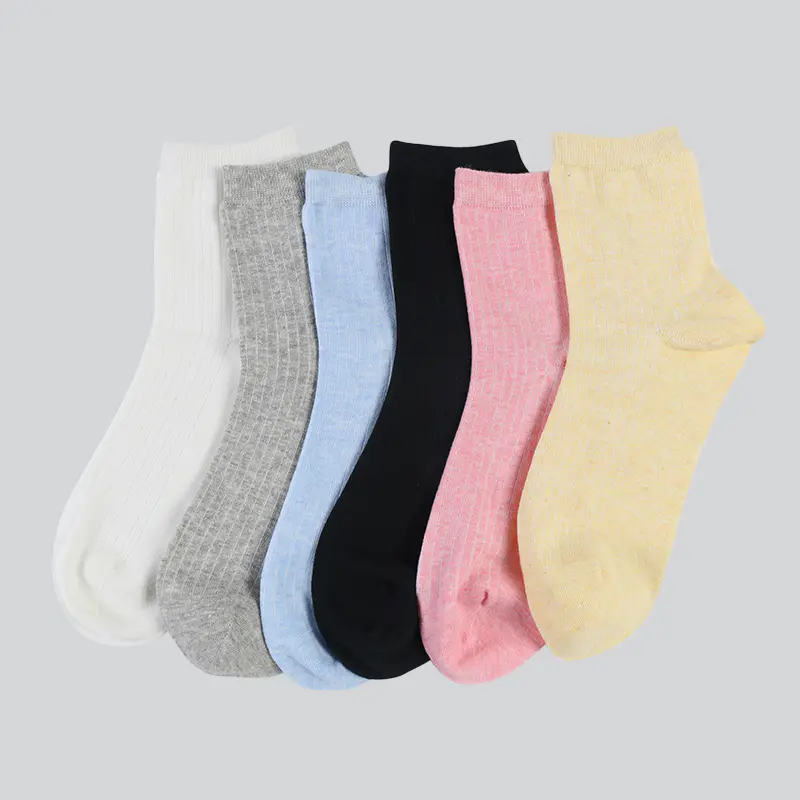
When purchasing women’s socks, consumers should pay attention to stitching quality, elasticity retention, fabric softness, and wash durability. Loose threads, poor elastic bands, or rough seams often indicate lower product quality.
Retailers and wholesalers should also consider size consistency, color fastness, and packaging presentation when sourcing products for market sales.
Proper care significantly extends the lifespan of women’s socks. Washing them in cold or warm water with mild detergent helps preserve elasticity and fabric softness.
Women’s socks are an essential combination of comfort, functionality, and style. Choosing the right pair depends on purpose, fabric, fit, and personal preference. Whether for everyday comfort, athletic support, or fashion styling, high-quality socks can greatly enhance daily wear experience.
For brands, retailers, and manufacturers, offering diverse women’s sock options in practical materials and fashionable designs remains an excellent way to meet ongoing consumer demand in both domestic and international markets.
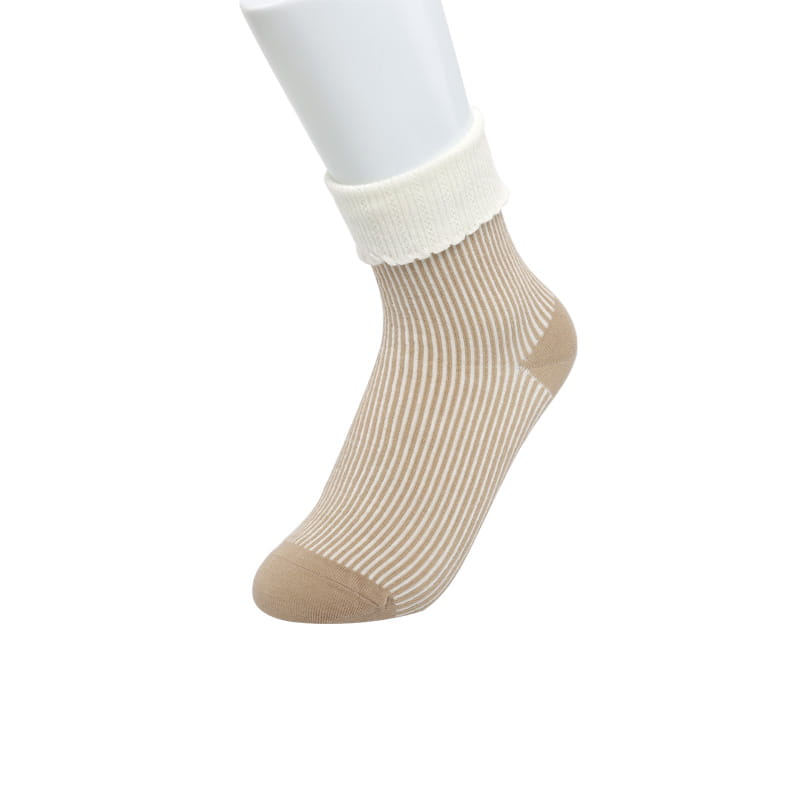
NO. WSD1321 Size EU35-39 Age Adu...
View More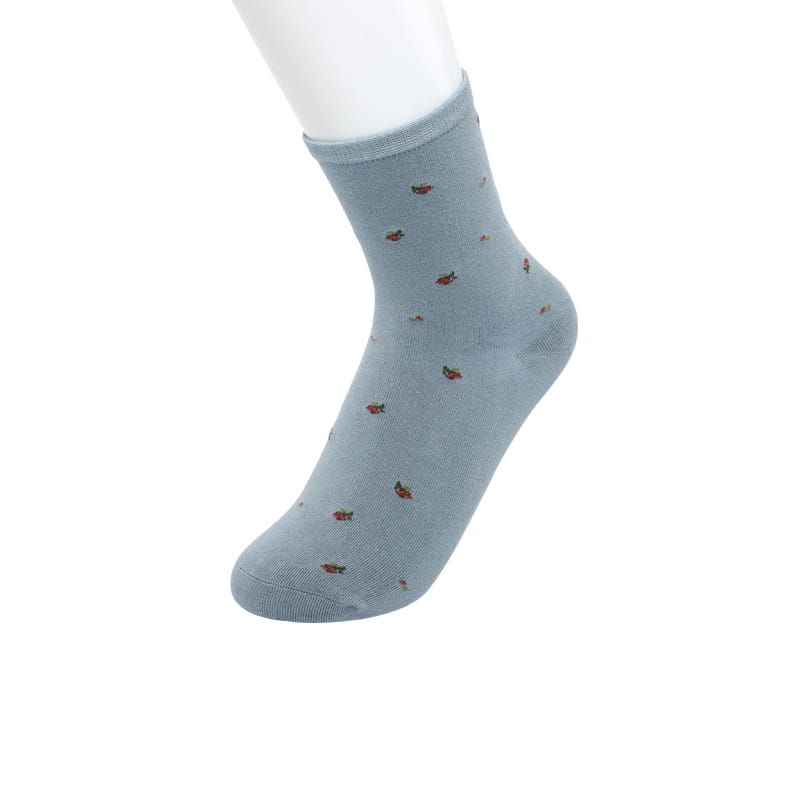
NO. WSD1743 Size EU35-39 Age Adu...
View More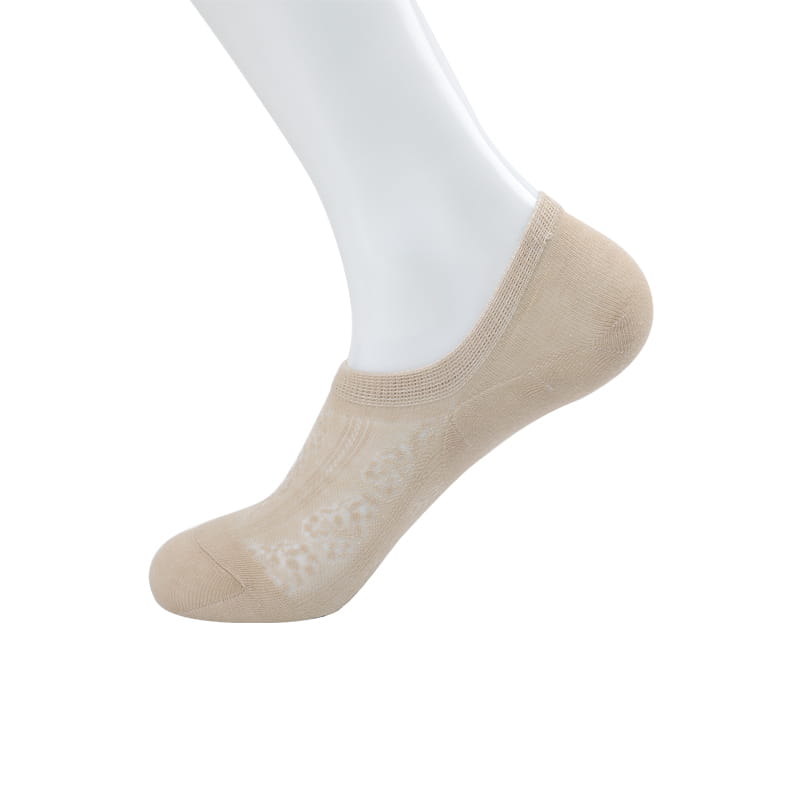
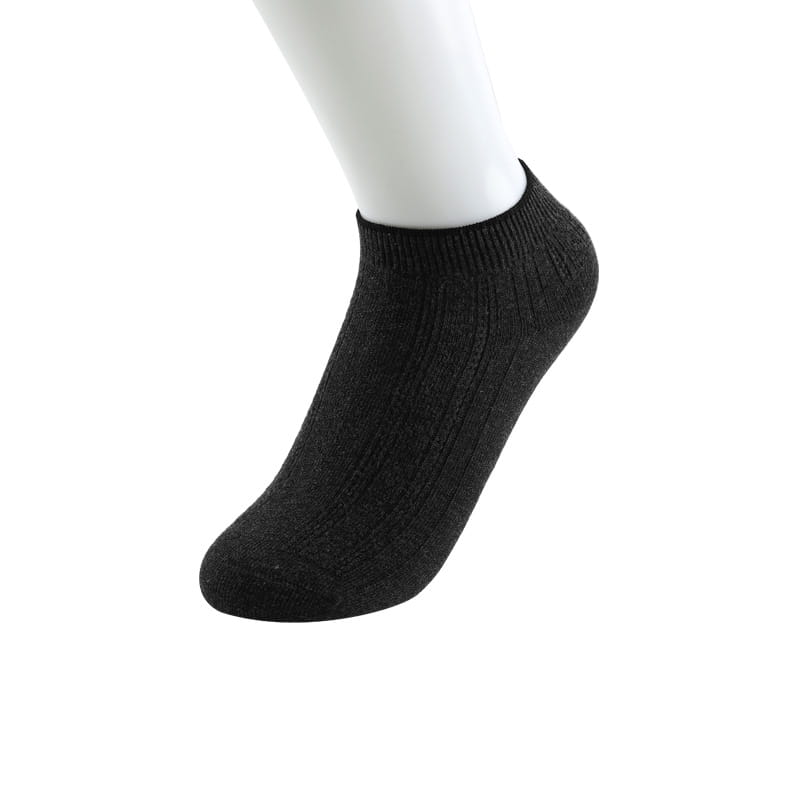
NO. WSD1232 Size EU35-39 Age Adu...
View More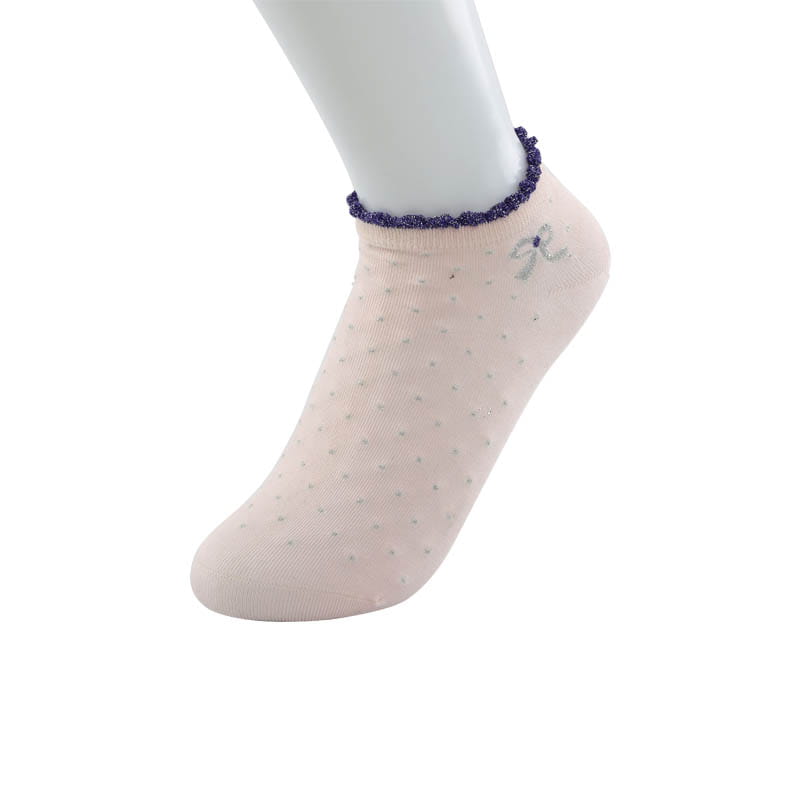
NO. WSD1259 Size EU35-39 Age Adu...
View More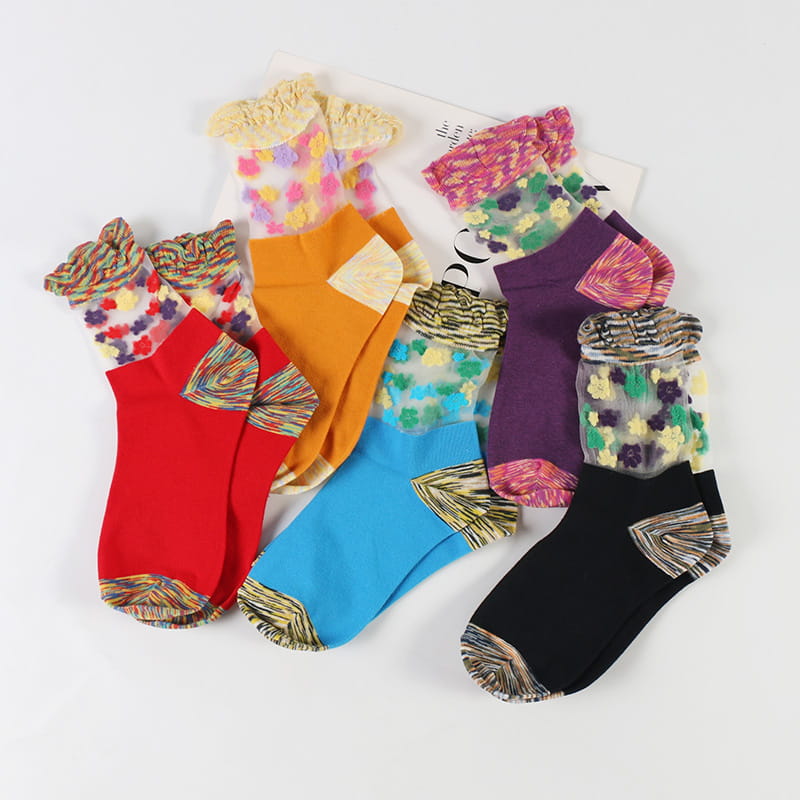
NO. WSD1140 Size EU35-39 Age Adu...
View More

+86-13586371153
+86-0573-87670680
[email protected] [email protected]
8-1 Yongsheng Road, Qianjiang Industrial Park, Dingqiao, Haining, Zhejiang, PRC
Copyright © Haining Wanshida Hosiery Co.,LTDAll Rights Reserved. China Custom Socks Manufacturers