
Content
Ankle socks are a style of men's sock designed to sit just above or at the ankle bone, typically ending between one and two inches above the shoe collar. This length places them lower than crew socks, which extend well up the calf, but higher than no-show socks, which sit hidden below the shoe line. The design offers a middle ground that provides some coverage and cushioning around the ankle while still allowing for a low-profile look under casual shoes, sneakers, and some dress shoes.
This sock length has become a staple in modern men's wardrobes because it pairs well with the shorter pant hems common in contemporary casual and business-casual styling, avoiding the visible sock bunching that can occur with longer crew socks under slim-fit trousers or shorts.
The material composition of an ankle sock directly affects its comfort, durability, and suitability for different activities. Most men's ankle socks are made from blends rather than single fibers, since blending allows manufacturers to balance softness, moisture control, and elasticity.
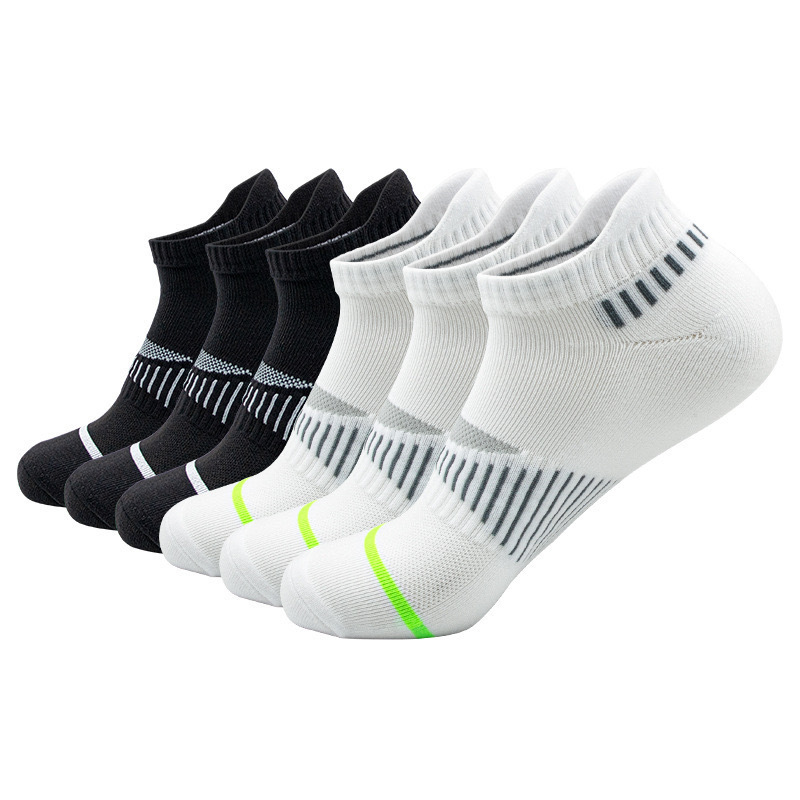
Cotton remains one of the most common materials for everyday ankle socks due to its breathability and soft feel against the skin. However, pure cotton retains moisture, so many manufacturers blend it with small percentages of spandex or elastane to improve shape retention and prevent sagging after repeated wear and washing.
Polyester, nylon, and acrylic fibers are frequently used in athletic-oriented ankle socks because they wick moisture away from the skin more effectively than cotton and dry faster after sweating. These materials are also more resistant to abrasion, making them a popular choice for socks designed for running, gym workouts, or manual labor.
Merino wool blends are increasingly used in ankle socks marketed for outdoor activity or colder climates, since wool naturally regulates temperature and resists odor buildup better than synthetic fibers over multiple wears.
An improperly sized ankle sock can bunch, slip below the heel, or create pressure points that cause discomfort during the day. Most sock brands size according to shoe size ranges rather than exact foot measurements, so checking the manufacturer's size chart before purchasing is important.
| US Shoe Size | Sock Size Label | Notes |
| 6 to 8.5 | Small / Medium | Common for teens and smaller-framed men |
| 9 to 12 | Large | Most common adult men's sizing |
| 12.5 to 15 | Extra Large | Requires wider heel and toe box |
A well-fitted ankle sock should have a snug but not restrictive band around the ankle opening, since a band that is too loose will cause the sock to slide down inside the shoe throughout the day, while one that is too tight can restrict circulation during long periods of standing or walking.
Different activities place different demands on sock performance, so selecting the right ankle sock for the occasion improves both comfort and longevity of the product.
Keeping a rotation of ankle socks suited to different activities helps prevent premature wear on any single pair while ensuring appropriate performance for each use case.
Beyond material and size, several construction details influence how comfortable an ankle sock feels during extended wear. Paying attention to these features can help buyers distinguish higher-quality socks from basic multi-packs.
Many ankle socks include a double-layered knit at the heel and toe, areas that experience the most friction and pressure during walking. This reinforcement extends the lifespan of the sock and reduces the likelihood of early thinning or holes forming in these high-wear zones.
A flat or seamless toe closure reduces friction against the toes, which is particularly important for men who spend long hours on their feet or engage in activities involving repetitive foot movement, since raised seams can cause blistering over time.
Some ankle socks incorporate a woven support band across the arch of the foot, which helps hold the sock in place and can provide a subtle compressive effect that some wearers find reduces foot fatigue during long periods of standing or walking.
Proper washing and storage practices can significantly extend the usable life of ankle socks, particularly those made with elastane or spandex blends that lose elasticity when exposed to high heat repeatedly.
Following these care steps helps maintain the elasticity, color, and structural integrity of ankle socks well beyond the point where improperly cared-for socks would typically need replacement.
For most men, maintaining a mixed rotation of ankle socks tailored to different activities and seasons offers the most practical long-term solution. A reasonable starting point includes several pairs of everyday cotton-blend socks for casual wear, a few pairs of cushioned athletic socks for workouts, and one or two pairs of thin dress-appropriate socks for business settings. Investing in slightly higher-quality construction, particularly reinforced heels and moisture-wicking fibers, tends to pay off through longer wear life and greater day-to-day comfort compared to basic, unstructured multi-packs.
NO. WSD1320 Size EU35-39 Age Adu...
View More
NO. WSD1412 Size EU35-39 Age Adu...
View More
NO. WSD1502 Size EU35-39 Age Adu...
View More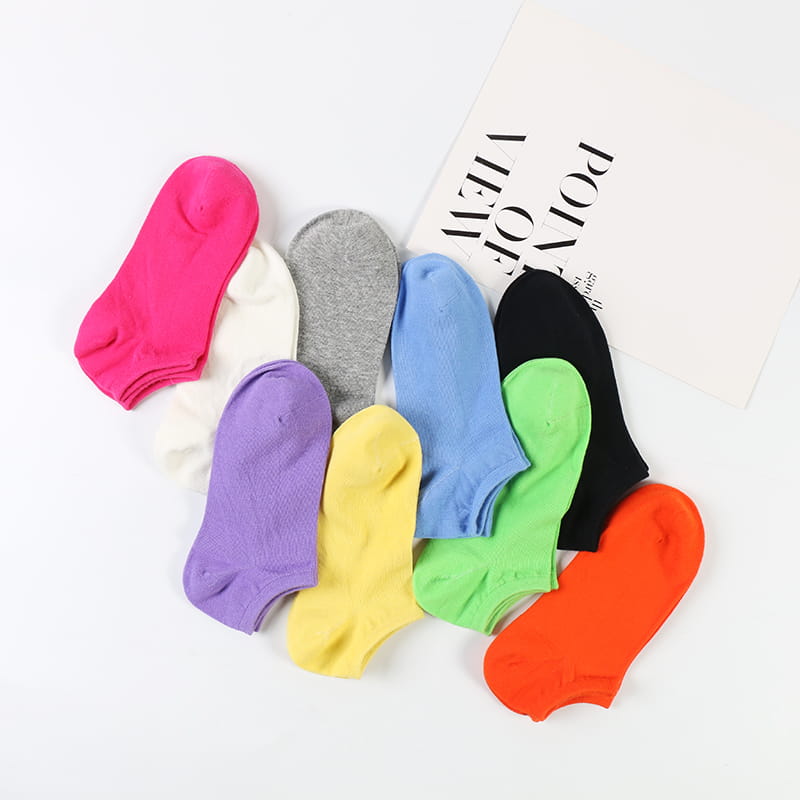
NO. WSD1092 Size EU35-39 Age Adu...
View More
NO. WSD1257 Size EU35-39 Age Adu...
View More
NO. WSD1142 Size EU35-39 Age Adu...
View More

+86-13586371153
+86-0573-87670680
[email protected] [email protected]
8-1 Yongsheng Road, Qianjiang Industrial Park, Dingqiao, Haining, Zhejiang, PRC
Copyright © Haining Wanshida Hosiery Co.,LTDAll Rights Reserved. China Custom Socks Manufacturers