
Content
Wool socks are an investment. Whether you're wearing merino wool for hiking, cashmere blends for warmth, or thick knit wool for winter, these socks offer unmatched comfort and temperature regulation. But washing them incorrectly can turn your favorite pair into a shrunken, matted disaster. This guide walks you through exactly how to wash wool socks — step by step — so they stay soft, retain their shape, and last for years.
Wool fibers have a natural outer layer of tiny scales. When exposed to heat, agitation, or harsh detergents, these scales interlock and tighten — a process known as felting. The result is irreversible shrinkage and stiffening. Unlike cotton or synthetic fabrics, wool cannot simply be tossed in with your regular laundry without consequence.
Understanding this vulnerability is the first step to washing wool socks properly. The goal is always to minimize friction, heat, and chemical stress while still cleaning the fabric effectively.
Before washing your wool socks, gather the right supplies. Using the wrong products — even once — can permanently damage the fibers.
Hand washing is the safest and most recommended method for wool socks, especially for high-quality or delicate pairs. It gives you full control over water temperature and agitation.
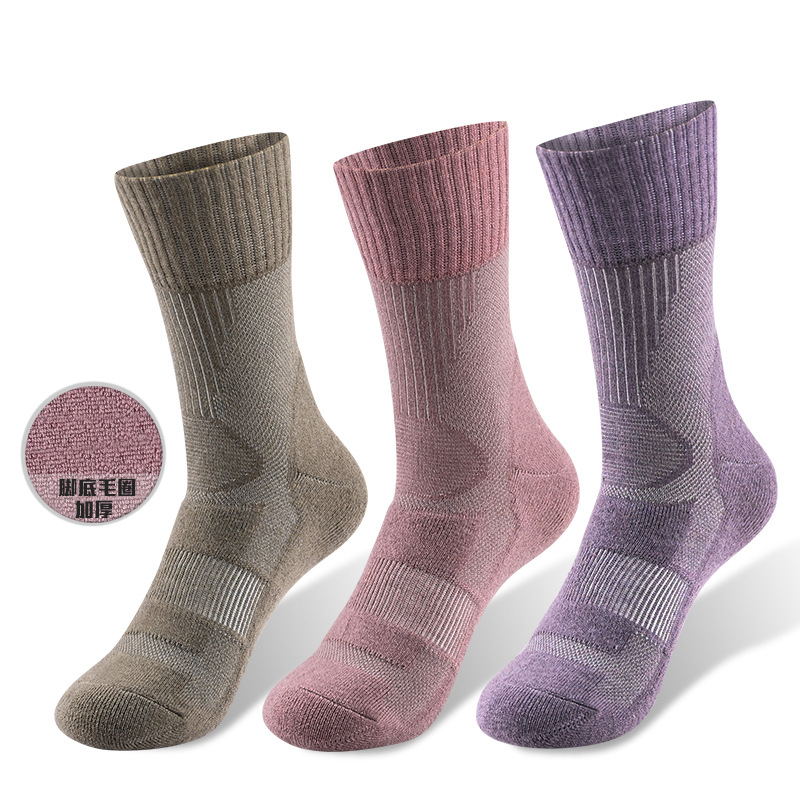
Fill a clean sink or basin with cool to lukewarm water. Add a small amount of wool-safe detergent — usually one teaspoon is enough for a single pair of socks. Swirl the water gently to distribute the detergent evenly before adding the socks.
Place the socks into the water and gently press them down to ensure they're fully saturated. Use your hands to softly squeeze and release the socks in a slow, gentle motion. Do not rub, scrub, or twist the fabric. The key is minimal friction. Let the socks soak for 10 to 15 minutes if they are particularly dirty.
Drain the soapy water and refill the basin with clean, cool water at the same temperature. Gently press the socks to remove soap. Repeat this rinsing process once or twice until the water runs clear and no suds remain. Avoid running the socks under a direct stream of water, as sudden pressure changes can cause the fibers to tangle.
Never wring out wool socks. Instead, gently lift them from the water and press them flat against the basin to let water drain naturally. Then lay the socks flat on a clean dry towel, roll the towel up with the socks inside, and press firmly along the roll to absorb the moisture. Unroll and reshape the socks immediately.
Yes — but only under very specific conditions. Some wool socks, particularly those made from superwash merino wool, are treated to be machine washable. Always check the care label on your socks before putting them in a machine. If the label shows a machine wash symbol with a hand icon or says "machine washable wool," you can proceed carefully.
Drying is just as critical as washing. High heat — whether from a dryer or direct sunlight — will shrink and distort wool fibers. Always air dry wool socks flat.
After pressing out moisture with a towel, reshape each sock by hand and lay them flat on a clean dry surface or a drying rack. Avoid hanging wool socks vertically, as the weight of the water can stretch them out of shape over time. Keep them away from radiators, direct sunlight, and any heat source. Drying at room temperature typically takes 12 to 24 hours depending on thickness.
Never put wool socks in the dryer unless the care label explicitly says it's safe. Even a single tumble dry on a low setting can cause significant and permanent shrinkage.
| Care Step | Do This | Avoid This |
| Water Temperature | Cool or lukewarm (≤30°C) | Hot water |
| Detergent | Wool-safe, pH-neutral | Regular detergent, bleach, enzymes |
| Agitation | Gentle pressing and squeezing | Scrubbing, rubbing, twisting |
| Machine Washing | Wool/delicate cycle with mesh bag | Regular or high-spin cycles |
| Drying | Flat air dry at room temperature | Tumble dryer, direct sunlight, radiator |
| Wringing | Press gently with a towel | Wringing or squeezing tightly |
One of the great advantages of wool is its natural resistance to odor and bacteria. Thanks to the lanolin found in wool fibers, wool socks do not need to be washed after every single use. In fact, overwashing wool can shorten its lifespan significantly.
For everyday wear, washing your wool socks every three to five uses is generally sufficient. After wearing, allow them to air out completely before storing. If you wore them during intense physical activity or they became visibly soiled, wash them sooner. For hiking or outdoor wool socks, washing after every two uses is a reasonable habit.
Proper storage extends the life of wool socks just as much as proper washing does. Once dry, fold your socks gently rather than rolling them into tight balls, which can stretch the cuff over time. Store them in a cool, dry, well-ventilated drawer or shelf — never in a damp or airtight container.
Wool is also naturally resistant to moths, but if you're storing high-quality wool socks for extended periods, consider adding cedar blocks or lavender sachets to your storage area as a precaution. Avoid using mothballs, which contain harsh chemicals that can damage natural fibers and leave a strong odor.
Wool socks reward gentle care with exceptional longevity. A well-maintained pair of quality wool socks can last for years — even decades — with proper washing and storage habits. The process takes only a little more time than tossing them in a regular wash, but the payoff in comfort, durability, and performance is well worth it.
To summarize: use cool water, a wool-safe detergent, gentle handling, and always air dry flat. Avoid heat, heavy agitation, and regular detergents. Follow these rules consistently, and your wool socks will stay soft, shapely, and functional through countless wears and washes.
NO. WSD1072 Size EU35-39 Age Adu...
View More
NO. WSD1419 Size EU35-39 Age Adu...
View More
NO. WSD1463 Size EU35-39 Age Adu...
View More
NO. WSD1132 Size EU35-39 Age Adu...
View More
NO. WSD1133 Size EU35-39 Age Adu...
View More

+86-13586371153
+86-0573-87670680
[email protected] [email protected]
8-1 Yongsheng Road, Qianjiang Industrial Park, Dingqiao, Haining, Zhejiang, PRC
Copyright © Haining Wanshida Hosiery Co.,LTDAll Rights Reserved. China Custom Socks Manufacturers