
Content
Socks are often the most overlooked element of a suit outfit, yet they are the first thing people notice when you sit down or cross your legs. A flash of the wrong color or pattern can undermine an otherwise polished look, while the right pair of socks can elevate your entire ensemble and signal genuine attention to detail. Understanding how to match socks with a suit is not about following rigid rules — it is about knowing those rules well enough to apply or break them with intention. Whether you prefer a conservative boardroom appearance or a more expressive personal style, your sock choice communicates something about who you are.
The global menswear market has seen a surge in interest in statement hosiery over the past decade. Men who once defaulted to plain black or navy socks are now experimenting with argyle, stripes, polka dots, and even novelty prints. But with so many options available, it helps to start with the foundational principles before branching out into bolder territory.
Traditional menswear offers a clear framework for sock selection. These guidelines have stood the test of time because they are rooted in visual harmony and proportion, not arbitrary convention.
The most widely taught rule in classic menswear is to match your sock color to your trousers rather than your shoes. The logic is straightforward: when you sit and your trouser leg rises, the sock acts as a visual extension of the pant, creating an unbroken line from waist to ankle. This elongates the leg and keeps the eye moving smoothly upward. For example, a charcoal grey suit pairs naturally with dark grey or charcoal socks, while a navy suit calls for navy or dark blue socks.
Matching socks to shoes is a slightly more modern but equally accepted approach, especially in business-casual or smart-casual settings. Dark brown shoes go well with chocolate or cognac-toned socks, and black Oxford shoes pair naturally with black socks. This method works best when there is already significant contrast between your trousers and shoes, as the matching sock helps tie the bottom half of the outfit together.
Different suit colors call for different sock strategies. The table below outlines the most common suit shades and their recommended sock options, from conservative to expressive.
| Suit Color | Classic Sock Choice | Expressive Option |
| Charcoal Grey | Dark grey, black | Burgundy, deep purple |
| Navy Blue | Navy, dark blue | Mustard, burnt orange, light grey |
| Mid Grey | Medium grey, dark grey | Teal, forest green, cobalt blue |
| Brown / Tan | Brown, camel, khaki | Olive, rust, warm orange |
| Black | Black | Deep charcoal, dark burgundy |
| Light Blue / Powder Blue | Light grey, pale blue | Soft pink, lavender, white |
Wearing socks that are different from your suit — in color, pattern, or texture — is where personal style really comes to life. The key is balancing contrast with cohesion. A bold sock should complement, not compete with, the rest of your outfit.
Striped socks are among the most versatile patterned options. Thin vertical or diagonal stripes in a complementary color add visual interest without overwhelming the outfit. A navy suit with thin white or gold striped socks, for instance, feels polished yet distinctive. Avoid matching stripes to an already striped suit — the competing patterns will clash at close range.
Argyle is a classic pattern traditionally associated with country or heritage styling. It works beautifully with tweed suits, brown or tan wool suits, and casual Friday outfits. For a modern boardroom look, keep the argyle contained to muted tones like grey, tan, and navy. Bright argyle in red and green reads as festive and is better reserved for social occasions.
Small polka dots are a smart, understated way to add personality. They read as texture from a distance and reveal their charm up close. A dark navy sock with small white or silver dots pairs well with a grey or charcoal suit, giving you a subtle touch of character without risking a fashion misstep.
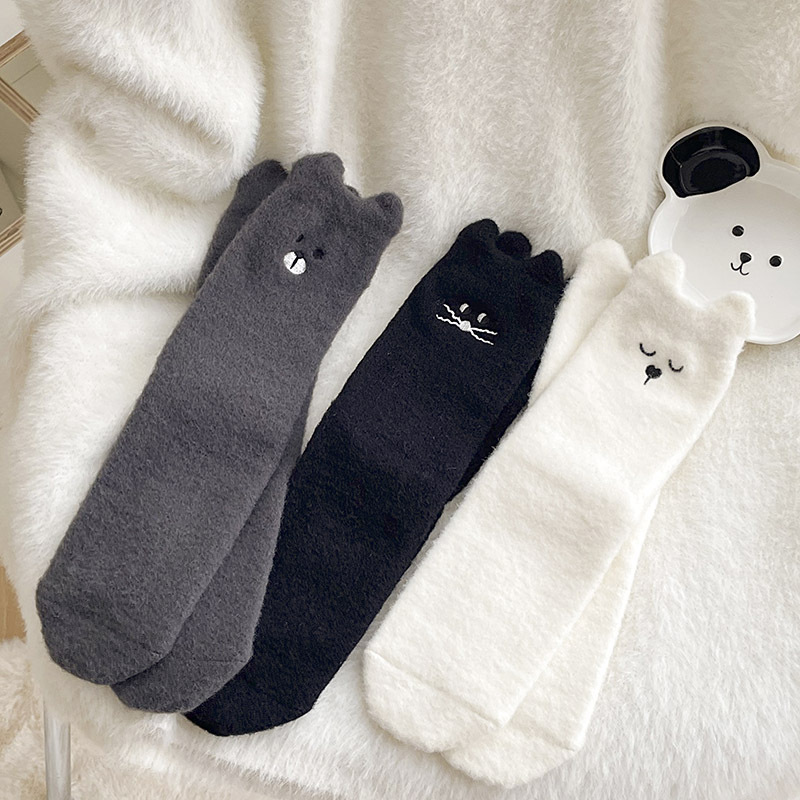
Animal prints, food motifs, pop culture references — novelty socks have become a legitimate form of self-expression in menswear. When wearing novelty socks with a suit, the golden rule is to keep everything else conservative. A plain navy or charcoal suit with a white dress shirt and no-pattern tie gives your socks room to be the talking point without creating visual chaos.
Your sock choice should also reflect the context of the occasion. What works brilliantly at a creative agency might raise eyebrows in a traditional law firm. Here is a quick guide:
Even well-dressed men make avoidable errors when it comes to socks. Knowing what not to do is just as important as knowing what works.
Beyond color and pattern, sock fabric plays a meaningful role in both comfort and appearance. The most commonly used materials each have distinct characteristics suited to different climates and occasions.
Look for socks with reinforced heels and toes, a cushioned sole, and strong elasticity at the calf band. High-quality socks last significantly longer and maintain their appearance through many washes, making them a worthwhile investment.
Rather than buying socks at random, building a curated selection ensures you always have the right pair on hand. A practical starter wardrobe for suit socks might look like this: three to four pairs of solid dark socks in black, charcoal, and navy to cover all formal needs; two pairs in a mid-tone color such as medium grey or brown for versatility; two to three pairs with subtle patterns such as thin stripes, small dots, or a herringbone weave; and one or two bold or novelty pairs for occasions where personal expression is appropriate.
With this foundation, you can navigate virtually any dress code with confidence — and the occasional sock compliment that proves someone was paying attention.
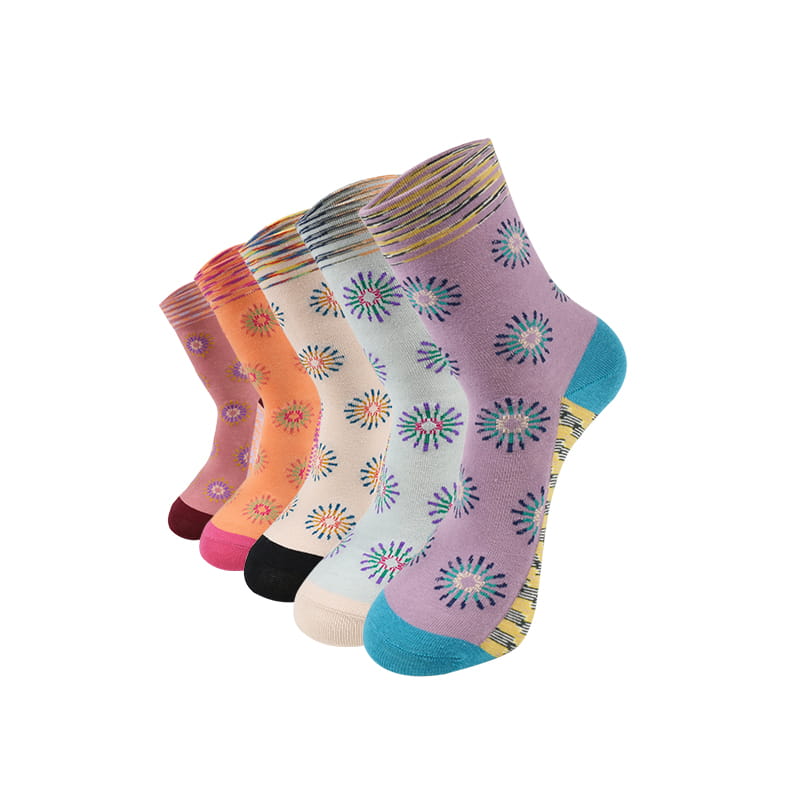
NO. WSD1310 Size EU35-39 Age Adu...
View More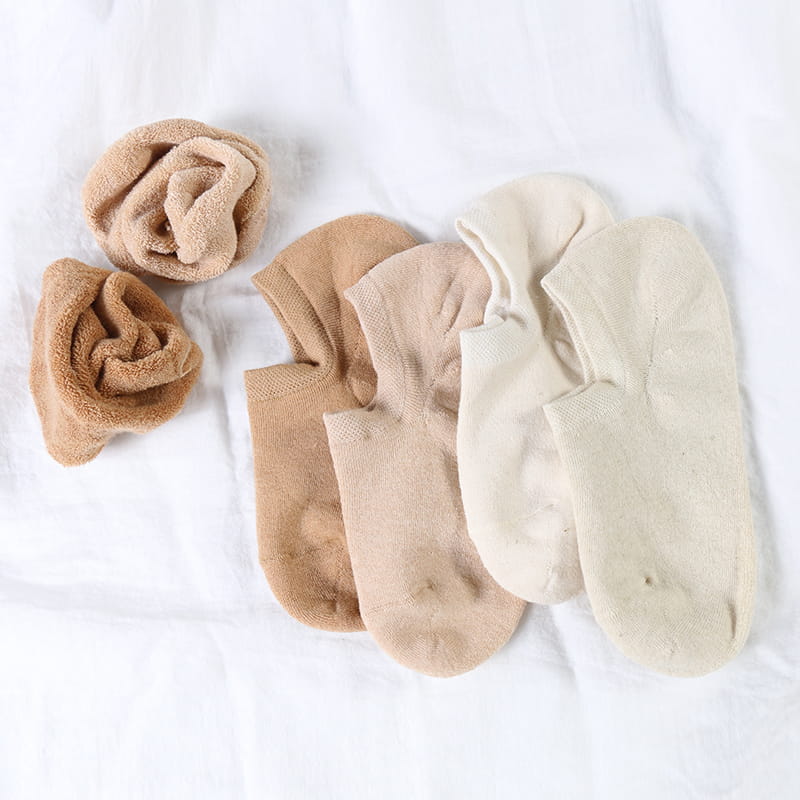
NO. WSD1410 Size EU35-39 Age Adu...
View More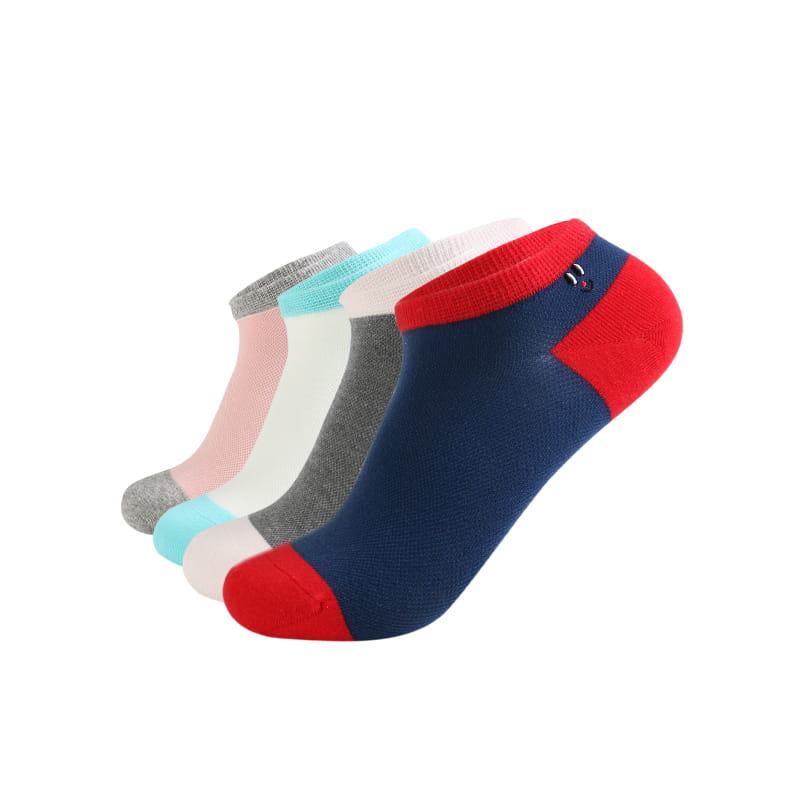
NO. WSD1092 Size EU35-39 Age Adu...
View More
NO. WSD1409 Size EU35-39 Age Adu...
View More
NO. WSD1402 Size EU35-39 Age Adu...
View More
NO. WSD1142 Size EU35-39 Age Adu...
View More

+86-13586371153
+86-0573-87670680
[email protected] [email protected]
8-1 Yongsheng Road, Qianjiang Industrial Park, Dingqiao, Haining, Zhejiang, PRC
Copyright © Haining Wanshida Hosiery Co.,LTDAll Rights Reserved. China Custom Socks Manufacturers