
Content
A sock buyer from a European distributor once showed us a set of "neutral" samples her team had approved. On the table, the greys looked fine. On the retail shelf, the story changed: one style ran warm, another pulled green, and the white socks had a bluish cast that clashed with the cream shirts they were meant to match. The problem was not a bad factory. It was the absence of a defined neutral color system.
Here is the practical conclusion up front: neutral color socks only work commercially when you control three variables: a tight shade range, fabrics that accept and hold dye evenly, and a supplier who matches shades consistently across production runs. Skip one of them, and the simplest-looking sock in your catalog becomes the hardest to sell.
Neutral is a functional description, not a single shade. In sock manufacturing, the term covers bright whites and off-whites, beiges and tans, greys from heather to charcoal, plus black and navy. What ties them together is their behavior in an outfit: neutral tones do not compete with the rest of the look. A charcoal crew sock disappears under a suit, a cream ankle sock pairs with sneakers and loafers, and a navy knee-high works with school uniforms and business attire alike.
The buying pattern differs between markets. In men's socks, neutrals lean toward black, charcoal, navy, and heather grey because these styles are meant to disappear under trousers or match a rotation of dress shoes. In women's socks, cream, beige, and oat tones are equally important, often worn visibly with cropped trousers, sneakers, and ankle boots. That difference should shape your assortment proportions, not just your color list.
This matters commercially because neutrals sell across more seasons and more customer groups than any other color family. Black and white dress socks move year-round, while beige no-show socks dominate spring and summer. A well-planned neutral assortment gives your inventory stability instead of relying on seasonal fashion cycles.
Not every neutral deserves equal shelf space. Based on recurring order patterns for wholesale socks, the shades below form a practical core assortment for both menswear and womenswear.
| Shade | Best Suited For | Buying Consideration |
|---|---|---|
| Bright white | Athletic socks, school uniforms, workwear | Optical whites can turn grey after repeated washing; ask for wash fastness data |
| Off-white and cream | Women's casual socks, loungewear | Dye batches can drift toward yellow; request a low-temperature wash test |
| Heather grey | Unisex athletic and streetwear | Heathered yarn hides minor dye variations and feels softer than solid tones |
| Charcoal | Men's dress socks, outdoor and work socks | Deep charcoal needs well-fixed reactive dyes to prevent fading at heel and toe |
| Navy | Business, school, travel | Technically a dark neutral; confirm shrinkage matches the rest of the range |
| Black | Universal bestseller | Black dye fades fastest in cotton; terry-cushioned soles need extra dye load |
| Beige and tan | No-show and low-cut socks | Skin tones need a consistent reference; use Pantone references or a physical shade card, not loose color names |
The fastest way to test your market is to stock black, white, and grey in a single unisex silhouette. Our wholesale solid-color black, white, and grey crew cotton ankle socks cover the three highest-velocity neutral shades without committing you to a wide color range.
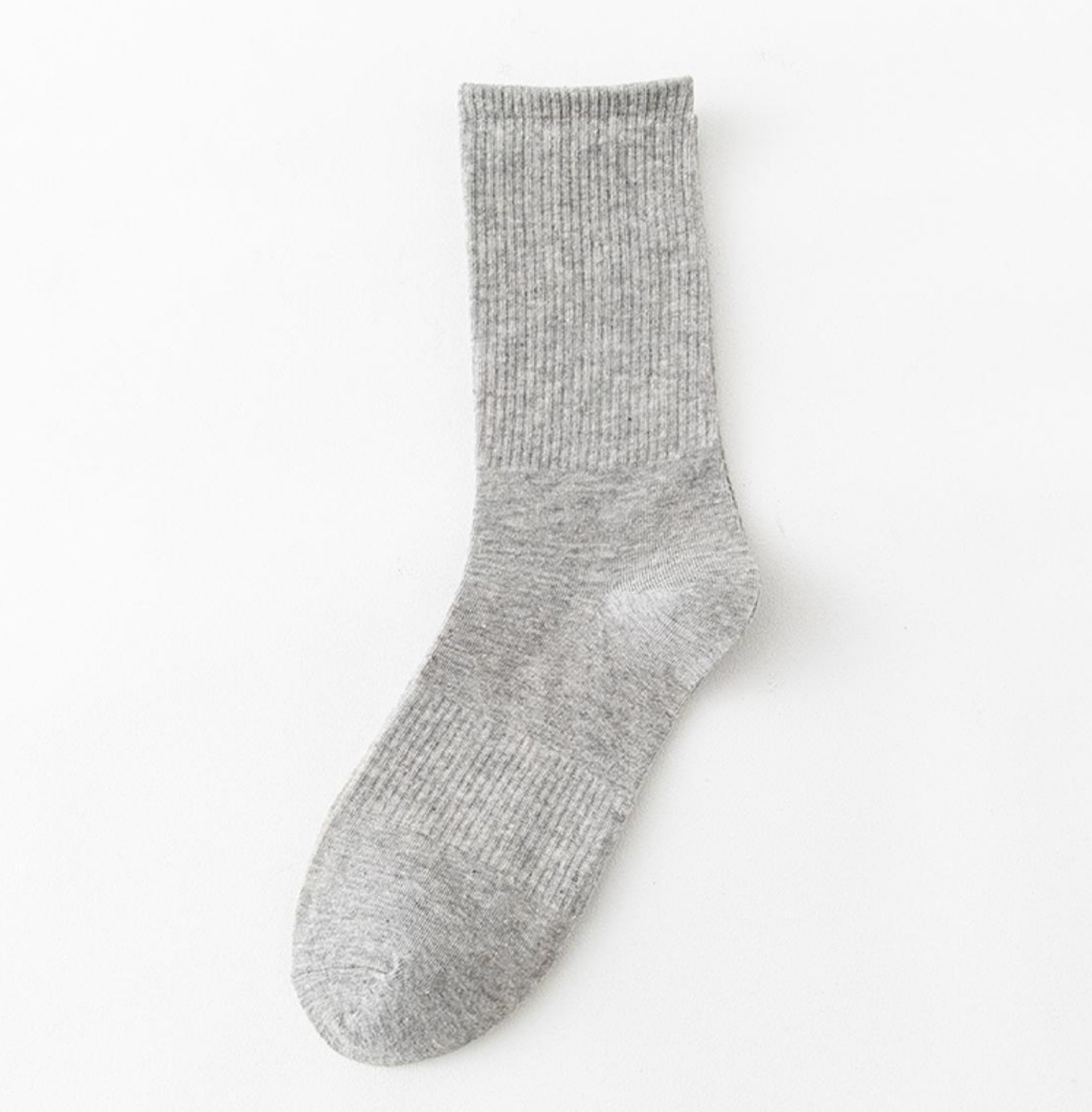 Wholesale Wholesale solid color black white gray unisex custom crew cotton ankleHaining Wanshida Hosiery Co.,LTD is China wholesale Wholesale solid color black white gray unisex custom crew cotton ankle socks supplier...View Product →
Fabric choice changes how a neutral color reads on the skin and how it survives the washing machine. Two socks in the same Pantone shade can look completely different if one is combed cotton and the other is a bamboo blend.
Buyers often ask whether 100% cotton is always the right answer. For a classic crew or dress sock, combed cotton with 3 to 5 percent elastane usually performs better than a pure cotton construction because the ankle holds its shape and the heel stays in place. The trade-offs between these materials are covered in our overview of common sock materials and their benefits.
When the sock needs to carry a brand mark, stitch density becomes more important. A denser knit gives embroidery and jacquard logos a crisp edge. For that reason, our solid-color designer breathable men's custom cotton socks use a high-elasticity knit that keeps neutral tones smooth while still accepting custom branding.
 Wholesale Professional High Elastic Mens Cotton Hosiery Solid Color Designer BreHaining Wanshida Hosiery Co.,LTD is China wholesale Professional High Elastic Mens Cotton Hosiery Solid Color Designer Breathable Calceti...View Product →
When a sock has no stripes, jacquard, or print, every construction detail becomes visible. Buyers evaluating neutral socks should check four things before approving a bulk order:
Neutral socks are strong vehicles for private label. Because the color is understated, brand details stand out: a tonal logo at the ankle, an embroidered monogram, or a woven label at the cuff signals quality without shouting.
For women's lines especially, pure-color cotton socks with a relaxed mouth read as designed rather than generic. Our pure color women's cotton socks give boutique and lifestyle brands a clean canvas for embroidery, jacquard brand marks, or simple printed labels, so the finished product looks intentional rather than like a blank commodity sock.
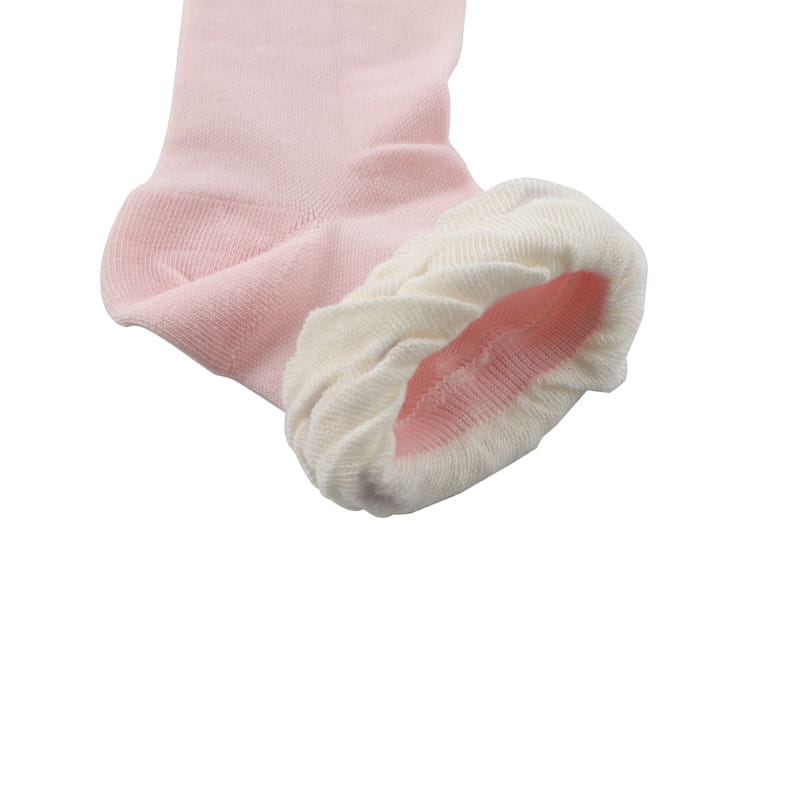 Wholesale Personalized loose mouth women's socks Pure color cotton Wild fashion Haining Wanshida Hosiery Co.,LTD is China wholesale Personalized loose mouth women's socks Pure color cotton Wild fashion socks suppliers...View Product →
For men's dress and business ranges, consider a tonal jacquard logo on the cuff in a slightly darker shade of the same color. This keeps the sock neutral while adding a recognizable detail that supports the brand without limiting its versatility.
Neutral shades reward careful verification. A beautiful sample means little if the production batch cannot be repeated. Work through this checklist with your supplier before signing off on a bulk order:
Working with a sock manufacturer that controls knitting, dyeing, and finishing in one facility reduces the risk of shade drift between reorders, because the same team is responsible for every step. That is one reason neutral sock programs tend to be built on repeat orders rather than one-off purchases.
Neutral color socks reward planning. Define the shades, choose materials that hold color well, confirm construction details, and lock down production tolerances before you order. The result is a range that looks effortless, sells across seasons, and builds customer trust in your brand.
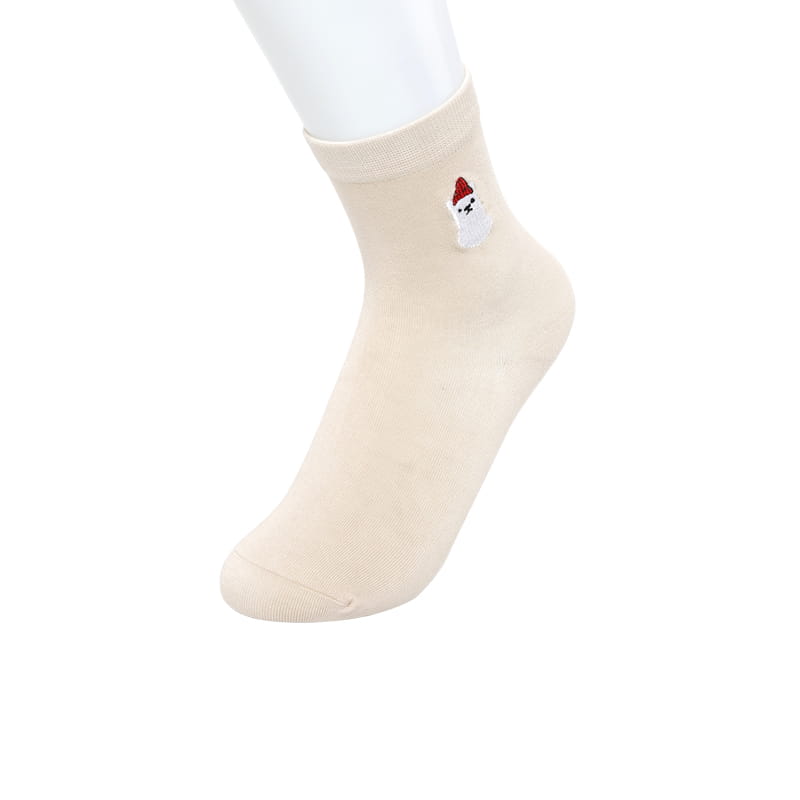
NO. WSD1503 Size EU35-39 Age Adu...
View More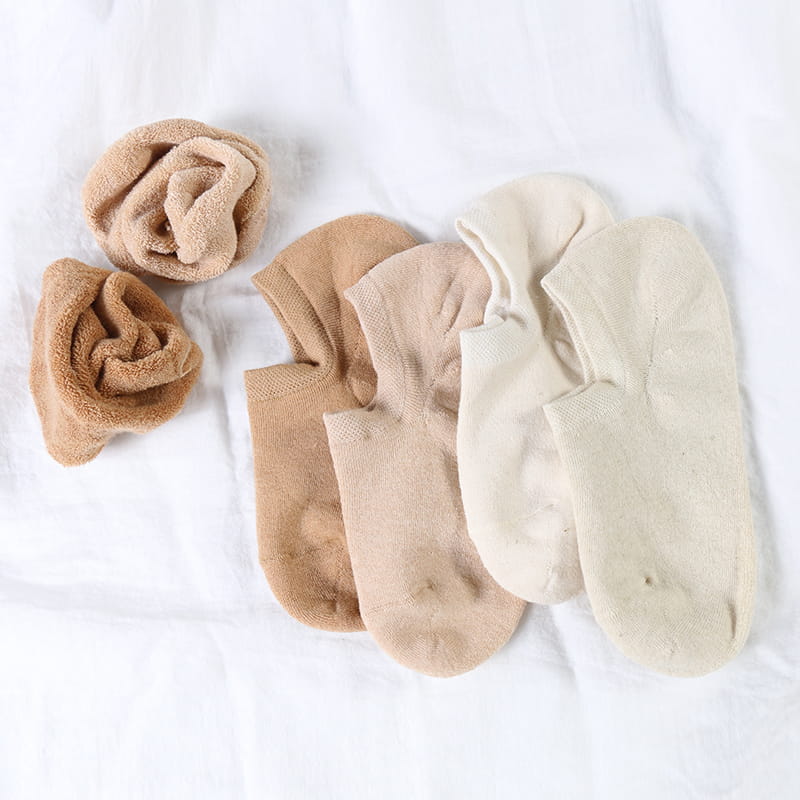
NO. WSD1410 Size EU35-39 Age Adu...
View More
NO. WSD1143 Size EU35-39 Age Adu...
View More
NO. WSD1230 Size EU35-39 Age Adu...
View More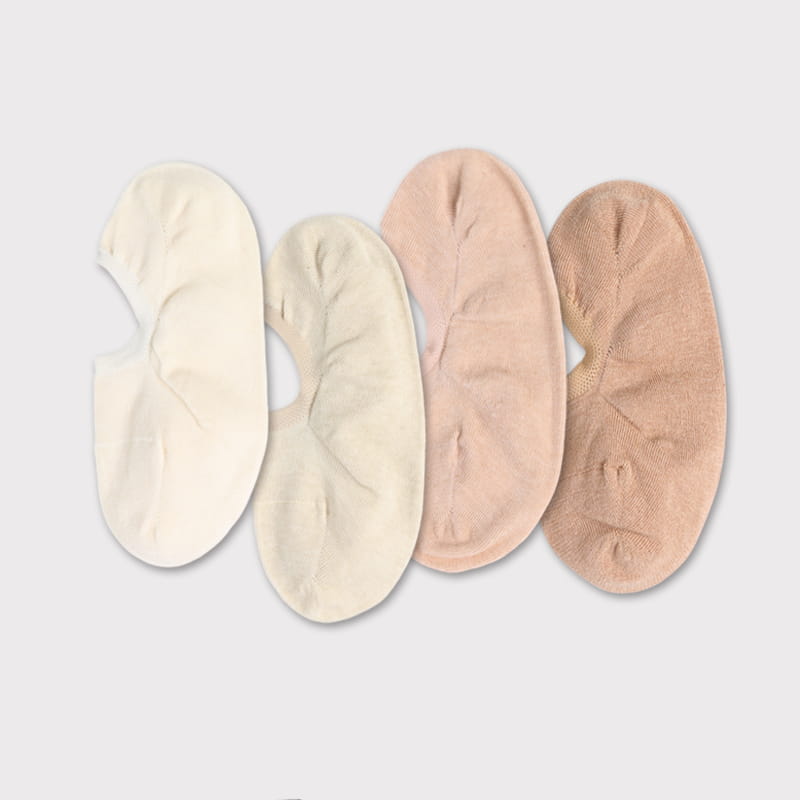
NO. WSD1402 Size EU35-39 Age Adu...
View More

+86-13586371153
+86-0573-87670680
[email protected] [email protected]
8-1 Yongsheng Road, Qianjiang Industrial Park, Dingqiao, Haining, Zhejiang, PRC
Copyright © Haining Wanshida Hosiery Co.,LTDAll Rights Reserved. China Custom Socks Manufacturers