
Content
Most women invest considerable thought into winter boots, coats, and layering pieces, yet socks remain an afterthought until cold feet make themselves impossible to ignore. This is a practical mistake. The sock is the only textile layer in direct contact with your skin throughout the day, and in winter, it is the first line of thermal defense between your foot and the cold ground. For women who wear dress shoes, heeled boots, or office-appropriate footwear during colder months, the challenge is compounded: the sock must be thin enough to fit comfortably inside fitted footwear while still delivering meaningful warmth. Finding women's socks that genuinely balance elegance and cold-weather performance is a more specific task than most guides acknowledge, and it starts with understanding what actually makes a sock warm.
Warmth in a sock is not simply a function of thickness. It is primarily determined by the fiber's ability to trap air within its structure, manage moisture away from the skin, and maintain loft even when compressed inside a shoe. A thick cotton sock, for example, feels warm when dry but loses nearly all of its insulating capacity when damp—and feet perspire even in cold weather. The best warm winter dress socks for women are built around fibers that retain thermal performance in real-world conditions, not just in a controlled environment.
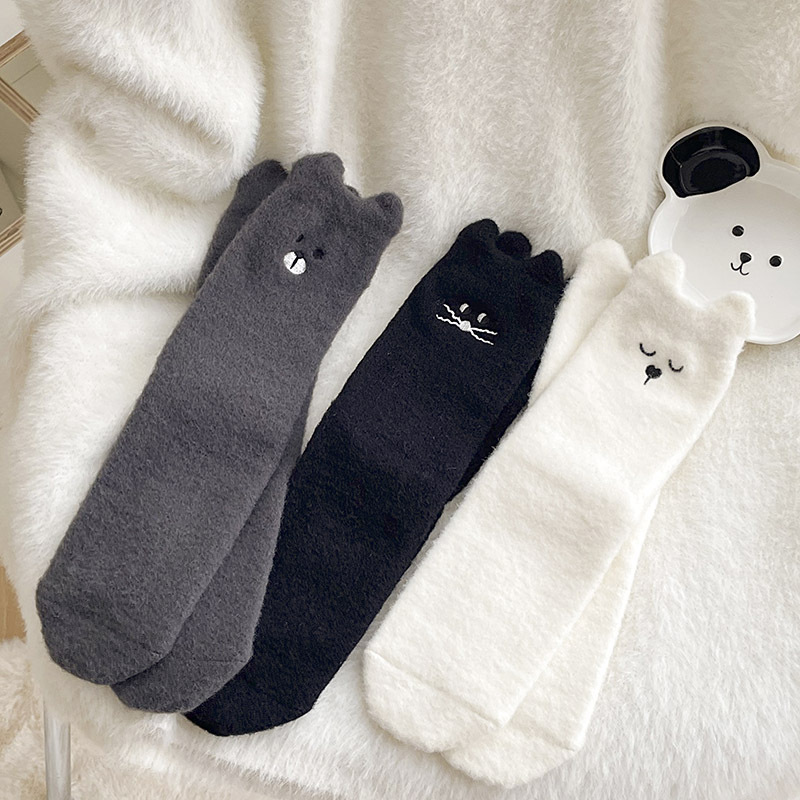
Fiber structure also matters. Crimped or coiled fibers naturally create more air pockets per cubic centimeter than straight fibers, which is why wool outperforms cotton at equivalent weights. Yarn twist and knit density further affect how much dead air the fabric traps. A sock knitted with a terry loop interior—where tiny loops of yarn are raised on the inside surface—creates a microclimate of warm air around the foot that smooth-knit socks of the same thickness cannot replicate. Understanding these physical principles helps decode why some socks feel luxuriously warm at a featherlight weight while others feel inadequate despite their bulk.
The fiber content of a sock is the single most important factor in its thermal performance. For women's dress socks specifically, the fiber must also satisfy comfort and fit criteria that outdoor or athletic socks are not held to. The following fibers are the most effective choices:
Merino wool is the gold standard for warm women's dress socks, and for good reason. The fibers are finer than standard wool—typically 17 to 21 microns in diameter—which eliminates the itchiness associated with conventional wool while maintaining superior thermal regulation. Merino wool is naturally moisture-wicking, moving perspiration away from the skin and releasing it as vapor rather than pooling it against the foot. It retains up to 80% of its insulating value even when wet, making it dramatically more reliable than cotton in variable winter conditions. A merino blend sock with 60–80% merino content can be knitted fine enough to wear inside a dress boot or heeled oxford without bunching, while keeping feet genuinely warm at temperatures well below freezing.
Cashmere socks represent the premium tier of women's winter dress hosiery. Cashmere fibers are extremely fine and have a unique scale structure that traps air with exceptional efficiency, producing warmth-to-weight ratios that surpass even merino wool. A cashmere dress sock can feel as thin and luxurious as fine hosiery while providing thermal comfort far beyond what the weight suggests. The trade-off is durability—pure cashmere socks wear through more quickly at high-friction points like the heel and ball of the foot. For this reason, the most practical cashmere dress socks blend cashmere (typically 20–40%) with nylon for reinforcement and merino or lambswool for body.
Alpaca fiber is less well-known than merino but is technically impressive for cold-weather socks. Alpaca fibers are hollow, creating air pockets within each strand itself rather than only between strands—a structure that delivers exceptional warmth at very low weights. Alpaca is also naturally hypoallergenic and lanolin-free, making it an excellent choice for women who find wool irritating. Baby alpaca, the finest grade, is soft enough for direct skin contact in dress applications. Alpaca socks do not stretch and recover as elastically as merino, so they are usually blended with a small percentage of nylon and elastane to maintain fit through a full day of wear.
Not all synthetic fibers are equal in thermal performance. Standard polyester is a poor insulator for dress socks, but specialty fibers such as Thermolite, CoolMax (used in the base layer of hybrid socks), and fine-gauge acrylic can contribute warmth in blended constructions. Some high-performance women's dress socks use a dual-layer knit construction—a moisture-wicking synthetic inner layer paired with a natural fiber outer layer—to maximize both dryness and warmth simultaneously. These engineered blends often outperform pure natural fiber socks in sustained cold because they actively manage moisture rather than simply absorbing it.
Warmth is also a function of coverage. For women's winter dress wear, the appropriate sock height depends on the footwear and the outfit, but there are clear thermal implications to each choice:
| Sock Style | Coverage | Best With | Warmth Level |
| No-Show / Liner | Foot only | Low-cut flats, loafers | Low |
| Ankle / Quarter | Foot to ankle | Ankle boots, sneakers | Moderate |
| Crew | Foot to mid-calf | Chelsea boots, oxfords | Good |
| Over-the-Calf / OTC | Foot to below knee | Tall boots, trousers | Excellent |
| Knee-High | Foot to knee | Skirts, tall boots | Maximum |
For the coldest days, over-the-calf merino socks worn inside tall boots are the most effective dress-appropriate solution. The additional coverage insulates the lower leg—a region that loses significant body heat and is often left exposed by shorter socks—while remaining completely hidden inside the boot shaft. Women who wear skirts or dresses in winter find that knee-high wool socks in fine gauges provide leg warmth that opaque tights alone cannot match.
Beyond fiber and height, several construction details separate high-quality warm winter dress socks from generic options. When evaluating women's socks for winter dress use, pay attention to the following:
On the coldest days, even the best single sock may not provide enough thermal protection, particularly if the footwear provides little insulation of its own—as is the case with thin-soled leather dress shoes or low-cut flats. In these situations, layering two socks is an effective strategy if done correctly. The inner sock should be a thin moisture-wicking liner, ideally in merino or polypropylene, which pulls perspiration away from the skin and keeps the outer sock dry. The outer sock can then be a thicker merino or alpaca dress sock that provides the bulk of the insulation. This combination works best with footwear that has slightly more interior volume, such as ankle boots or loafers with a standard fit rather than a pointed or narrow last.
Women should avoid layering two cotton socks, as both layers will absorb and retain moisture, leaving the foot colder and damper than a single well-chosen wool sock would. The liner-plus-insulator system only delivers its benefit when the liner actively transfers moisture rather than simply holding it.
Premium women's winter socks—particularly those containing merino, cashmere, or alpaca—require more thoughtful care than standard cotton socks to retain their warmth, softness, and shape. Machine washing in hot water or tumble drying on high heat will cause wool-based socks to felt and shrink, permanently damaging the fiber structure that creates warmth. Always wash natural fiber dress socks on a gentle or wool cycle with cold water, and use a detergent specifically formulated for wool or delicates. Lay them flat to dry rather than hanging, which can cause the sock to stretch lengthwise under its own damp weight.
Pilling on fine merino or cashmere socks is normal and does not indicate poor quality—it is a result of short fibers migrating to the surface during wear. A fabric shaver used gently on the inside of the sock every few washes will remove pills and restore the smooth surface. With proper care, a quality pair of women's winter dress socks in merino or cashmere will provide multiple full seasons of reliable warmth, making the higher initial investment per pair genuinely worthwhile compared to replacing budget cotton socks every few months.
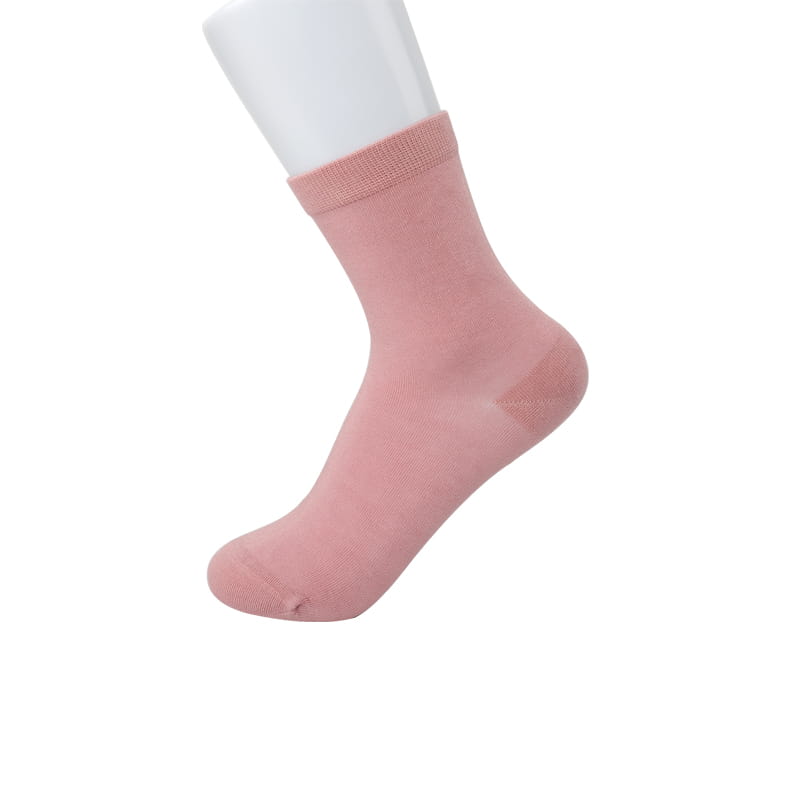
NO. WSD1306 Size EU35-39 Age Adu...
View More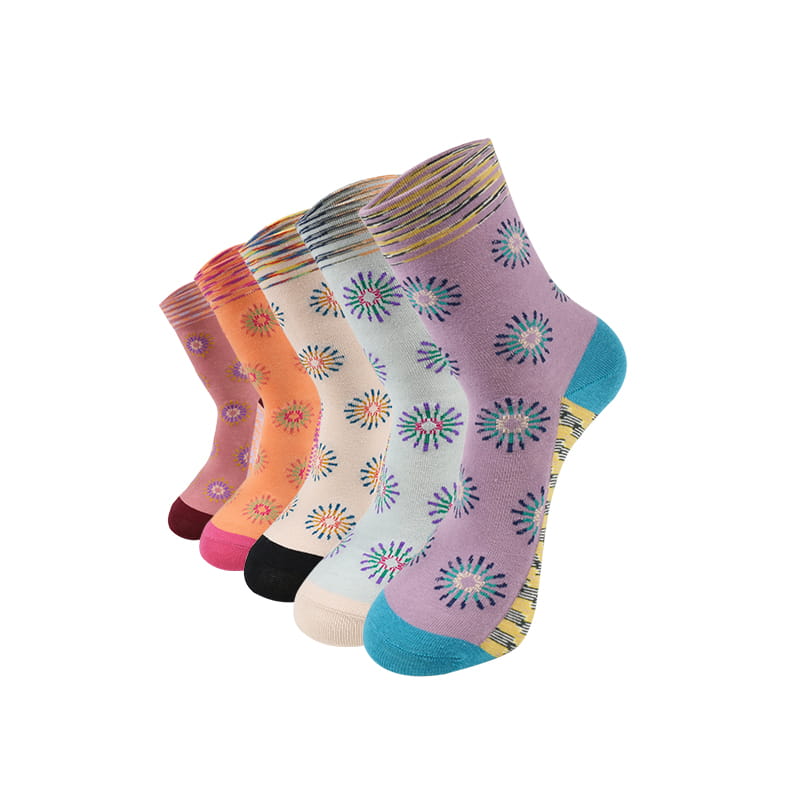
NO. WSD1310 Size EU35-39 Age Adu...
View More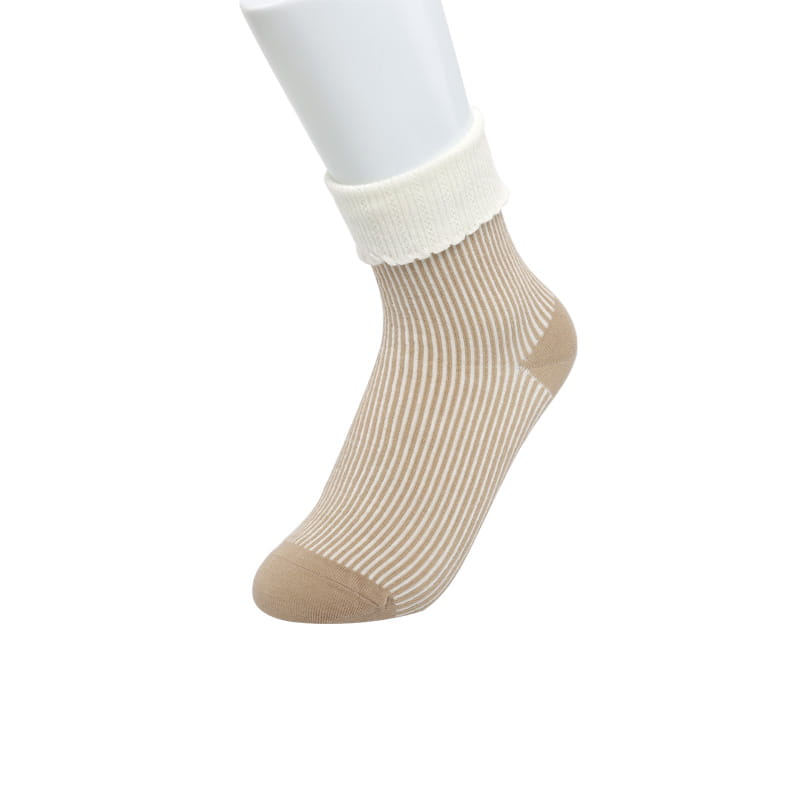
NO. WSD1321 Size EU35-39 Age Adu...
View More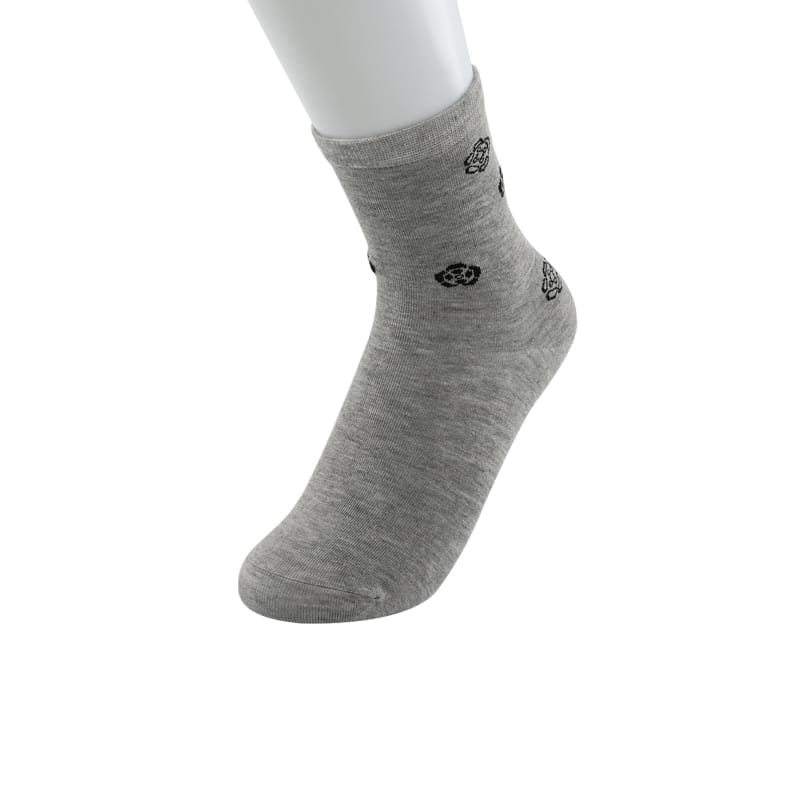
NO. WSD1525 Size EU35-39 Age Adu...
View More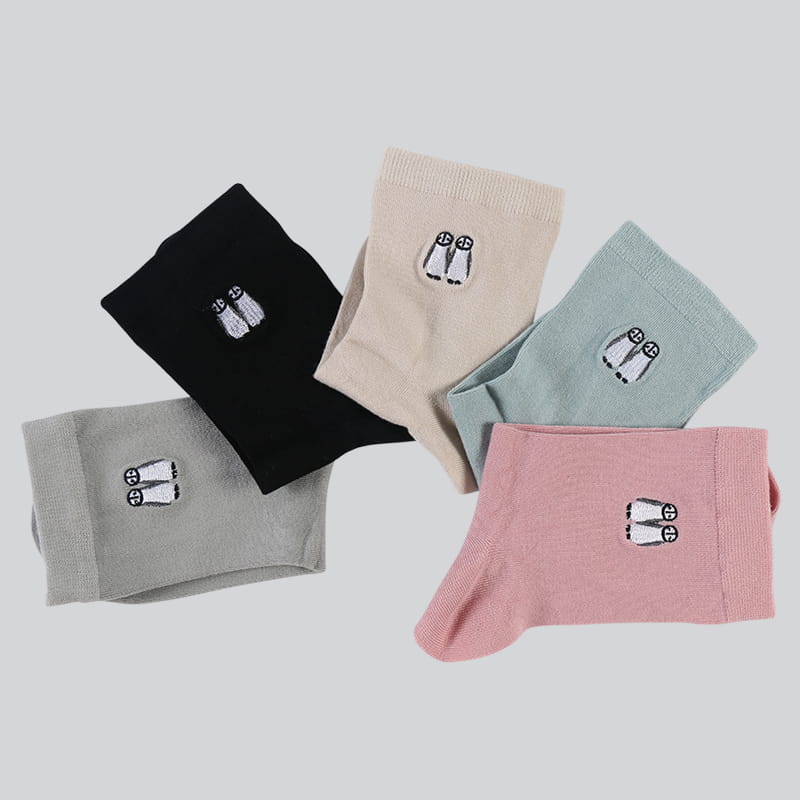
NO. WSD1502 Size EU35-39 Age Adu...
View More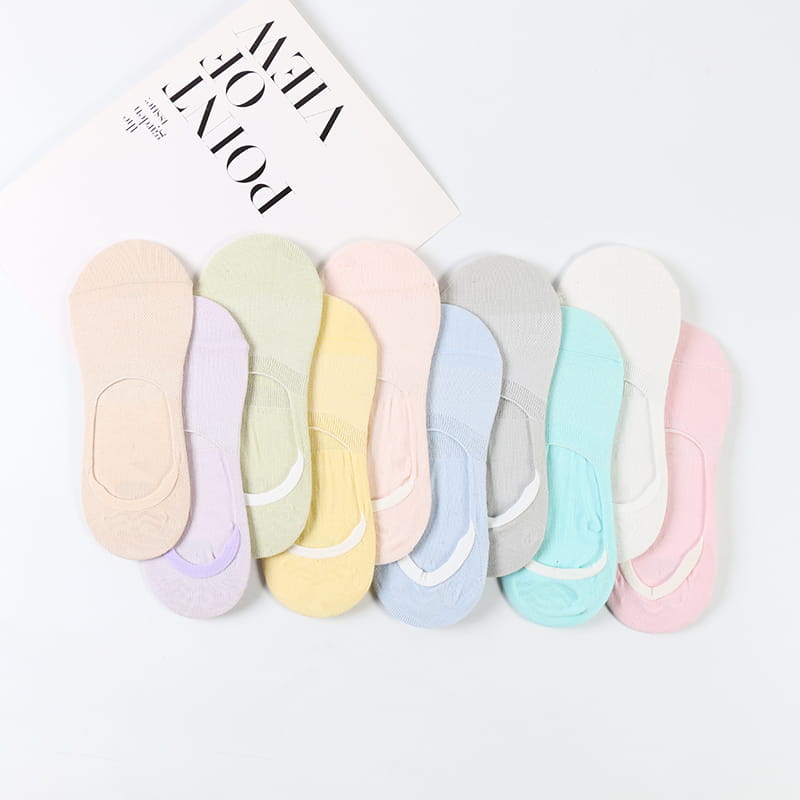
NO. WSD1256 Size EU35-39 Age Adu...
View More

+86-13586371153
+86-0573-87670680
[email protected] [email protected]
8-1 Yongsheng Road, Qianjiang Industrial Park, Dingqiao, Haining, Zhejiang, PRC
Copyright © Haining Wanshida Hosiery Co.,LTDAll Rights Reserved. China Custom Socks Manufacturers