
Content
Women's socks are not just basic accessories. They directly affect foot comfort, temperature control, blister prevention, and even posture during daily activities. A well-designed sock supports the foot, manages moisture, and reduces friction in high-impact zones. Poor sock choices can cause hot spots, odor, cold feet, and premature shoe wear. Understanding how socks are constructed and how different fibers perform helps you make smarter purchases for work, sports, travel, and everyday life.
Modern women's socks combine textile engineering with ergonomic design. Cushion mapping, arch compression, seamless toes, and moisture channels are now common. These details improve comfort during long hours of standing, walking, or exercising, making socks a functional layer rather than a decorative afterthought.
The fiber content of women's socks determines breathability, softness, durability, and moisture control. Blended fabrics are most common because they balance performance and cost.
Cotton socks are soft, breathable, and affordable. They are comfortable for casual wear but absorb moisture and dry slowly. This can lead to dampness and odor during extended activity. Cotton is best for short daily wear in moderate temperatures.
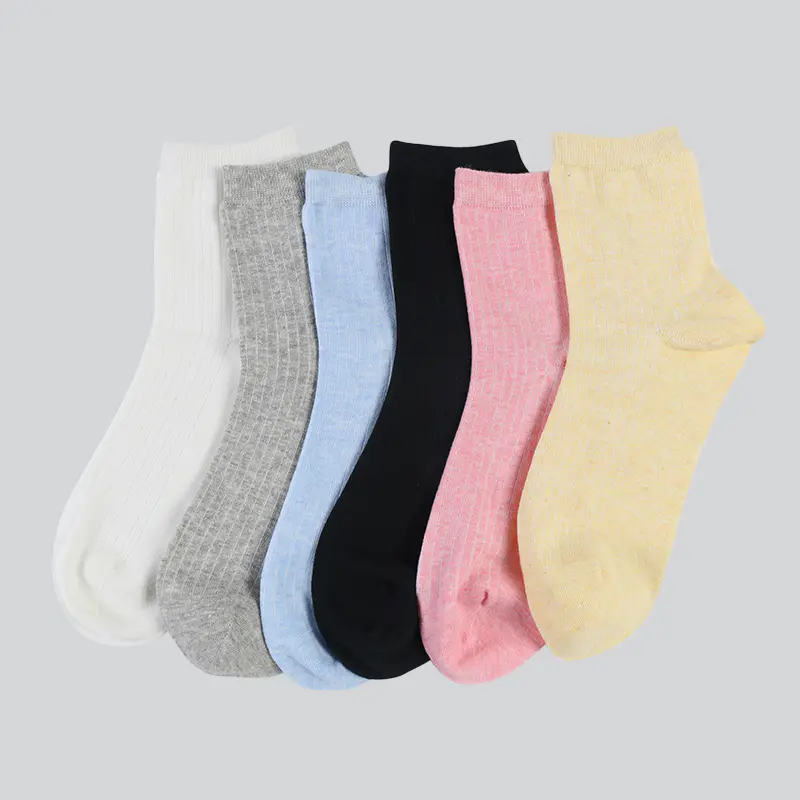
Merino wool is temperature-regulating, moisture-wicking, and naturally odor-resistant. Unlike traditional wool, merino fibers are fine and soft, reducing itchiness. These socks work well for hiking, travel, and cold or variable climates.
Synthetic fibers such as polyester and nylon are lightweight, durable, and quick-drying. They wick moisture efficiently and hold shape after repeated washing. These fibers are common in athletic and performance socks.
Spandex is added in small percentages to provide stretch and shape retention. It improves fit, prevents sagging, and enhances compression features.
Fit is just as important as material. Socks that are too tight restrict circulation, while loose socks bunch up and cause friction. Key construction elements affect overall comfort and durability.
Women's socks come in multiple lengths, each designed for specific shoe types and activities. Choosing the right height improves comfort and prevents rubbing.
| Sock Length | Best For | Key Benefit |
| No-Show | Sneakers, loafers | Invisible look |
| Ankle | Running, casual shoes | Light coverage |
| Crew | Everyday, boots | Balanced protection |
| Knee-High | Dress, cold weather | Warmth and style |
Cushioning changes how socks feel inside shoes and how they absorb impact. Different cushioning levels are suitable for different activities.
Light cushion socks are thin and breathable. They are ideal for dress shoes, flats, and tight-fitting footwear where bulk is not desired.
Medium cushion offers a balance of comfort and shoe fit. These are suitable for everyday wear, walking, and light workouts.
Heavy cushion socks provide extra padding for hiking boots, work boots, and cold weather. They absorb shock and increase warmth but may feel bulky in slim shoes.
Sweat management is a major factor in sock performance. Moisture trapped against the skin increases friction and encourages bacteria growth. High-quality women's socks use moisture-wicking fibers and ventilation zones to keep feet dry.
Odor control is often improved with merino wool, silver-treated yarns, or antimicrobial finishes. These features are especially useful for travel, long workdays, and athletic use.
Choosing socks based on season improves comfort and foot health. Temperature regulation helps prevent overheating or cold-related discomfort.
Athletic socks are engineered for movement and impact. They often include targeted cushioning, mesh panels, and compression zones to improve blood flow and reduce muscle fatigue.
For running, look for socks with blister-resistant yarns and heel lock designs. For gym training, durable soles and moisture control are priorities. For hiking, thicker cushioning and temperature-regulating fibers are essential.
Dress socks for women focus on thin profiles, smooth textures, and polished appearance. Common materials include fine cotton blends, bamboo viscose, and microfiber. These socks are designed to pair with flats, heels, and formal shoes without adding bulk.
Fashion socks also emphasize patterns, colors, and textures. While style is important, maintaining proper fit and breathability ensures comfort throughout the day.
Compression socks apply graduated pressure to improve blood circulation. They are commonly used for long flights, pregnancy, standing jobs, and recovery after exercise. Proper compression levels should be selected based on use and personal comfort.
Light compression is suitable for daily wear and mild swelling. Medical-grade compression should be used under professional guidance.
Proper care extends the life of women's socks and maintains performance features. Incorrect washing can break down elastic fibers and reduce moisture-wicking ability.
Selecting the right women's socks starts with understanding your daily activities and footwear. Consider how long you are on your feet, your climate, and your sensitivity to pressure or seams.
A practical approach is to build a sock collection that includes casual socks, athletic socks, dress socks, and seasonal thermal options. This ensures you always have the right pair for comfort and performance.
High-quality women's socks often cost more initially but provide better durability and comfort over time. Indicators of quality include dense knitting, reinforced zones, consistent stitching, and well-balanced fiber blends.
Investing in reliable socks reduces the need for frequent replacement and improves overall foot health. Over time, better socks can also protect shoes by reducing internal friction and moisture buildup.
Women's socks are a critical part of daily comfort, performance, and foot protection. By understanding materials, construction, fit, and activity-specific features, you can make informed choices that enhance your daily routine.
Whether you need lightweight no-show socks for casual wear, cushioned athletic socks for training, or warm merino socks for winter, the right selection will improve how your feet feel and function every day.
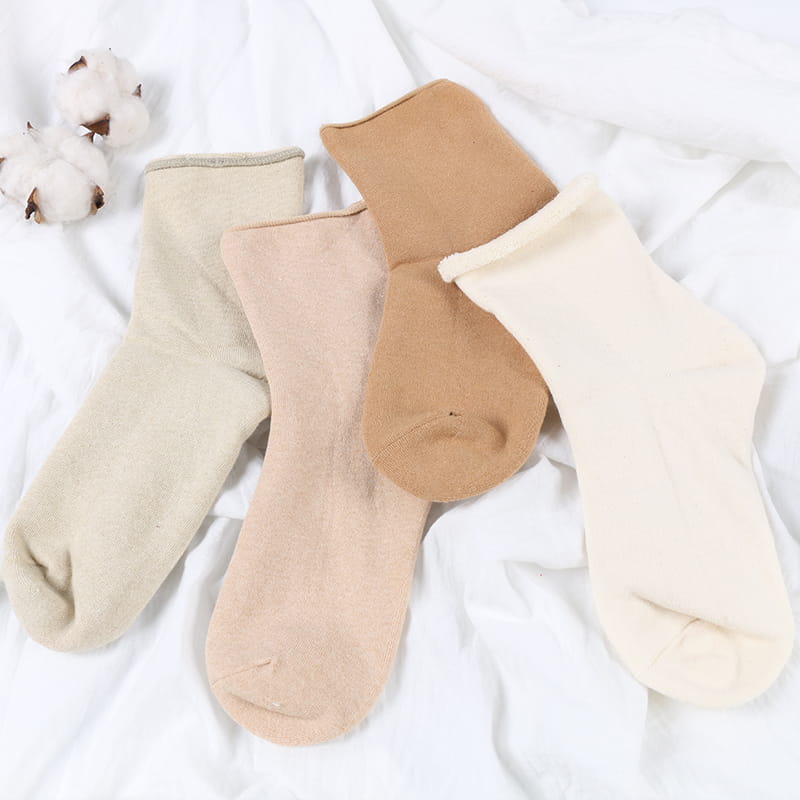
NO. WSD1407 Size EU35-39 Age Adu...
View More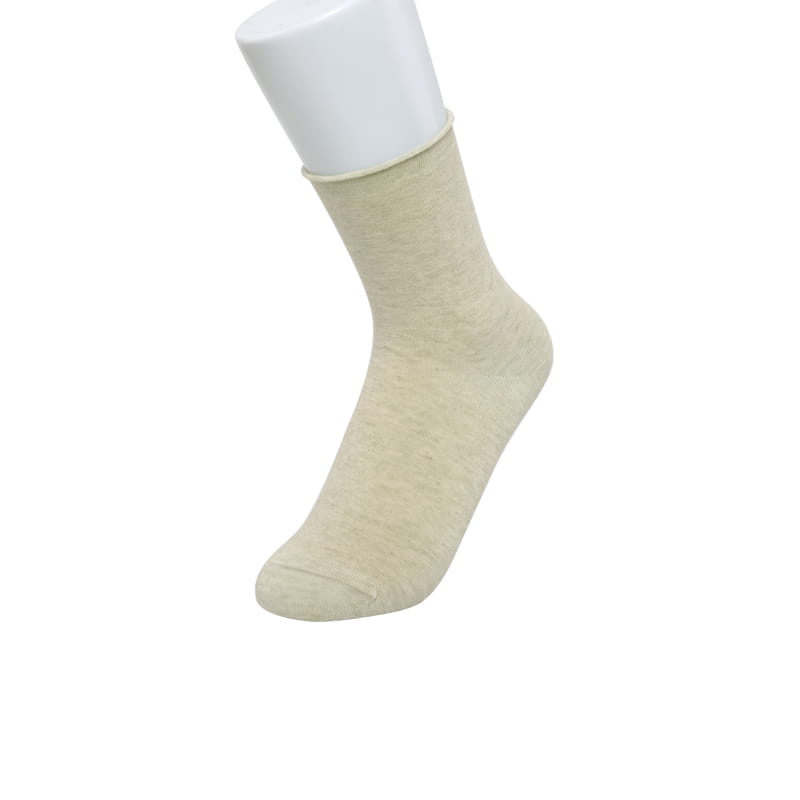
NO. WSD1419 Size EU35-39 Age Adu...
View More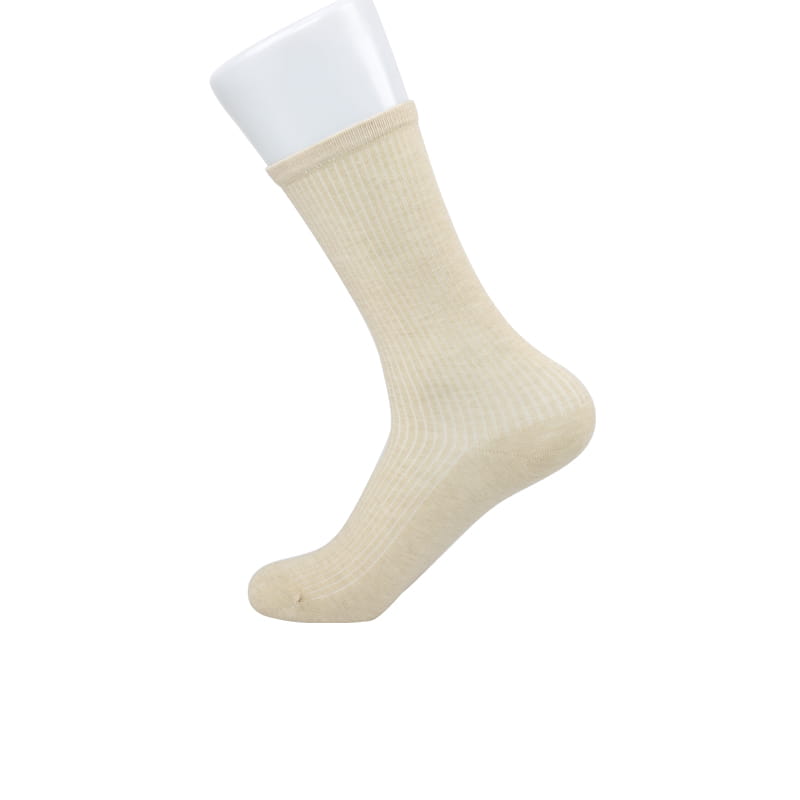
NO. WSD1412 Size EU35-39 Age Adu...
View More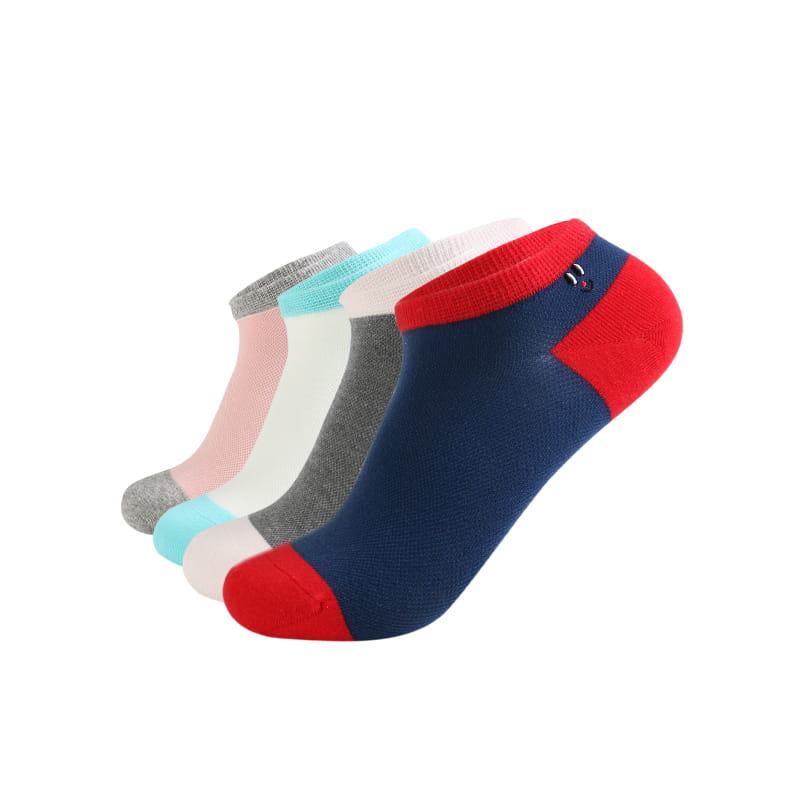
NO. WSD1092 Size EU35-39 Age Adu...
View More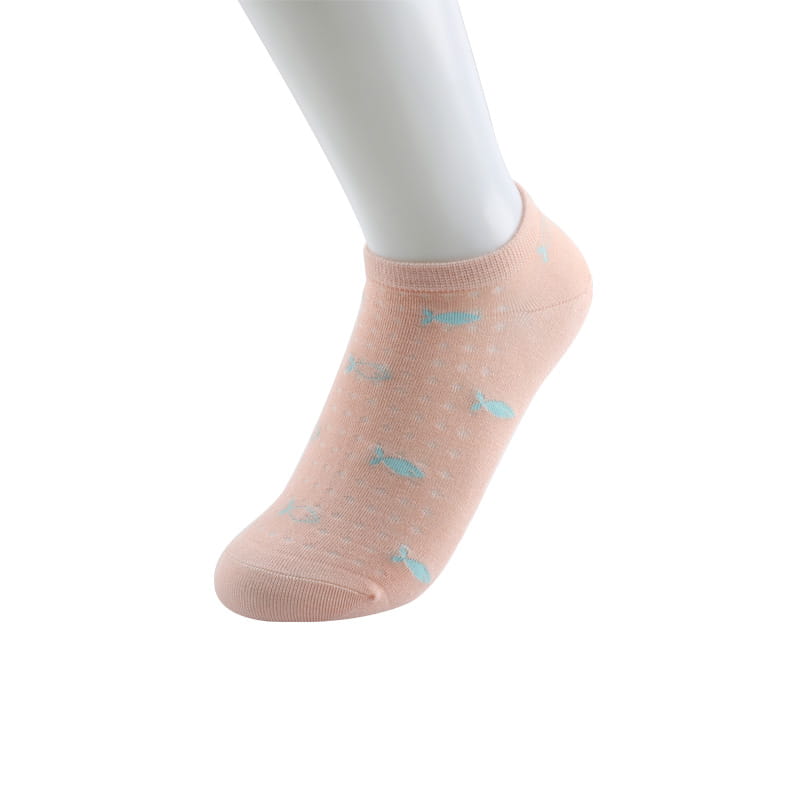
NO. WSD1301 Size EU35-39 Age Adu...
View More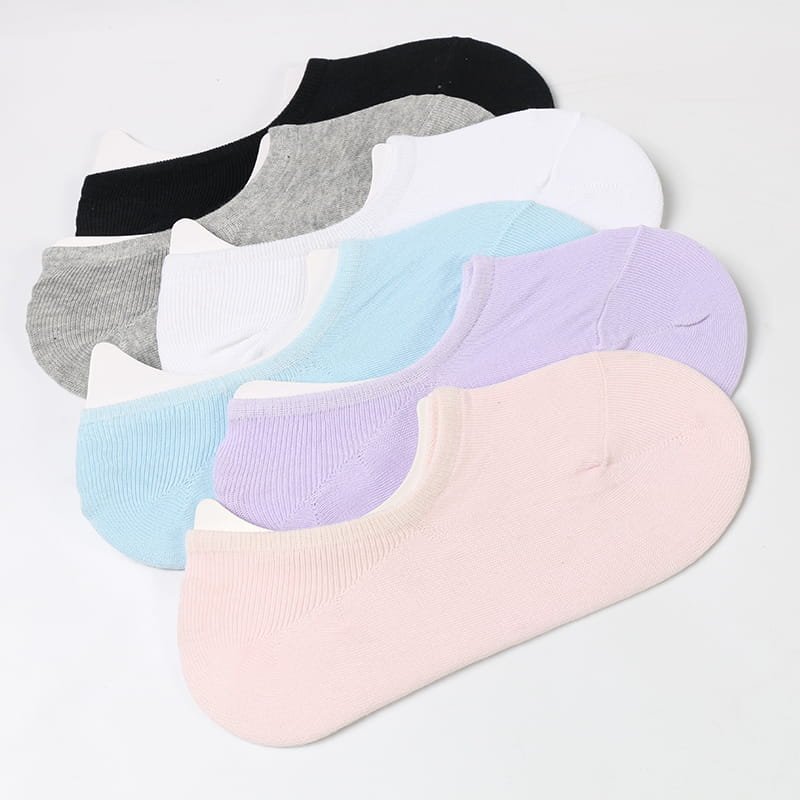
NO. WSD1242 Size EU35-39 Age Adu...
View More

+86-13586371153
+86-0573-87670680
[email protected] [email protected]
8-1 Yongsheng Road, Qianjiang Industrial Park, Dingqiao, Haining, Zhejiang, PRC
Copyright © Haining Wanshida Hosiery Co.,LTDAll Rights Reserved. China Custom Socks Manufacturers