
Content
Women's socks represent far more than simple foot coverings; they constitute essential wardrobe components that impact comfort, health, style, and overall daily satisfaction. The remarkable diversity of women's sock options available today addresses virtually every conceivable need, from athletic performance and professional workplaces through casual everyday wear and specialized therapeutic applications. Understanding the distinctive characteristics of different sock types, evaluating materials based on specific performance requirements, and selecting appropriate styles for various occasions empowers women to make informed choices that enhance comfort, support foot health, and express personal style. This comprehensive guide explores the multifaceted world of women's socks, examining material science, performance technologies, style considerations, and practical selection strategies that enable you to build a sock collection perfectly suited to your unique lifestyle, climate, activities, and preferences.
The material composition of women's socks fundamentally determines their performance characteristics, comfort properties, durability, and suitability for specific applications. Understanding how different fibers behave and what benefits or limitations each material offers guides intelligent selection that matches socks to your intended use. Cotton, the traditional choice for everyday socks, provides softness and breathability but absorbs moisture without efficient moisture transport, leaving feet feeling damp and creating environments where bacteria and fungi thrive. While pure cotton socks work adequately for casual wear with infrequent laundry schedules, performance-focused applications benefit from advanced synthetic or natural alternatives.
Merino wool represents a premium natural fiber offering exceptional performance across multiple dimensions. This ultra-fine wool, measuring less than 24 microns in diameter, feels soft against skin while delivering superior moisture management through hygroscopic properties that absorb moisture without feeling wet. Merino wool's inherent antimicrobial characteristics combat odor-causing bacteria naturally, allowing extended wear between washes without odor development. Temperature regulation properties keep feet warm in cold conditions and cool in warm environments, making merino appropriate for year-round use across varying climates. While more expensive than cotton or synthetic alternatives, merino's durability and performance benefits justify the investment for serious athletes and those prioritizing foot health.
Synthetic fibers including acrylic, polyester, and nylon dominate athletic and performance sock construction, engineered to rapidly transport moisture away from skin through capillary action. These hydrophobic fibers repel water rather than absorbing it, moving perspiration to the sock's outer layer where it evaporates quickly, maintaining dry skin and preventing blister formation during intense activity. Synthetic blends often incorporate elastane or spandex for stretch and recovery, maintaining snug fit through vigorous movement without restricting circulation. Modern synthetic performance socks deliver moisture management approaching merino wool while offering superior durability, easier care requirements, and lower cost, making them the preferred choice for runners, hikers, and athletes.
Bamboo-derived viscose offers an intriguing alternative combining natural fiber softness with performance characteristics rivaling synthetic materials. Bamboo fabric absorbs moisture readily while maintaining softness and providing natural antimicrobial properties. These eco-friendly socks appeal to environmentally conscious consumers while delivering adequate performance for moderate activities. However, bamboo viscose loses strength when wet, limiting durability compared to other materials, and cost remains higher than basic cotton or synthetic alternatives. Blended compositions combining bamboo with merino wool or synthetic fibers optimize the benefits of multiple materials while moderating individual limitations.
The appropriate sock length depends on shoe type, personal preference, and the formality level of your outfit, with multiple options serving distinct purposes. No-show or invisible socks sit below the shoe opening, creating the illusion of bare feet when wearing low-cut shoes like loafers or sneakers. These minimal socks prove challenging to keep in place during activity and offer no ankle coverage, making them best suited for stationary office environments rather than dynamic situations where foot movement might cause socks to slip into shoes. Quality no-show socks include silicone grippers and heel tabs that maintain positioning, though even premium versions sometimes frustrate active wearers.
Ankle-length socks reaching just above the shoe opening represent the most versatile option, appropriate for casual wear, athletic activities, and professional environments with standard footwear. This traditional length provides sufficient coverage for comfort while remaining invisible beneath most pant styles and shoe types. Ankle socks work with athletic shoes, casual sneakers, loafers, and professional footwear, making them the staple choice for building a functional everyday sock collection. The substantial ankle coverage provides support and warmth while allowing freedom of movement and easy ventilation.
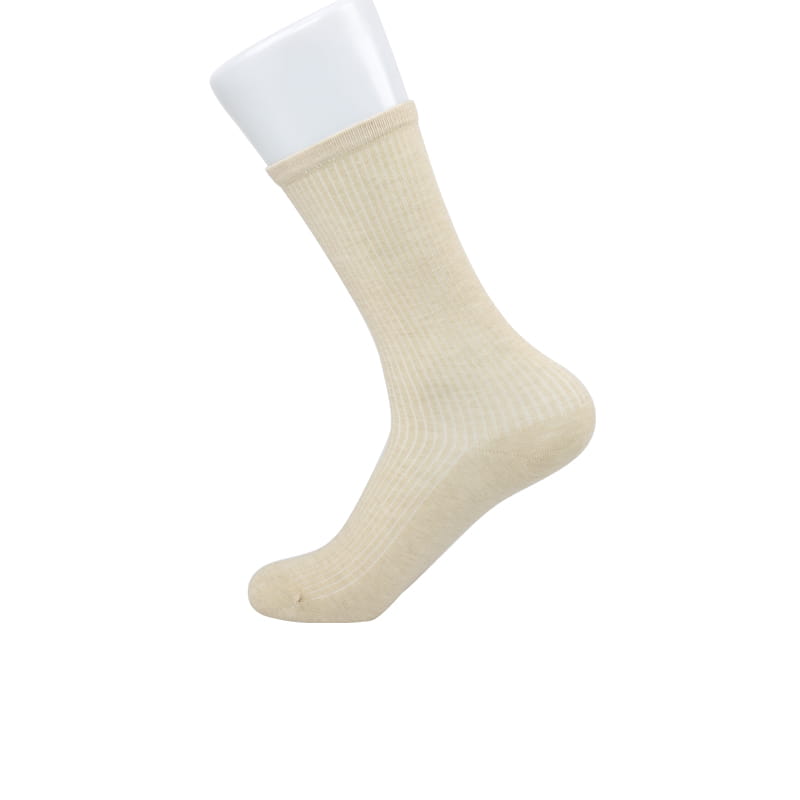
Crew-length socks extending mid-calf offer increased coverage benefiting athletic performance, outdoor activities, and cold weather comfort. This length provides additional protection against dirt, insects, and environmental exposure during hiking, gardening, or outdoor recreation. Crew socks also work well with athletic footwear and casual outfits, though they become visible when wearing shorter pants or skirts with business casual or formal footwear. These socks deliver superior support compared to shorter alternatives, making them popular with runners and other athletes requiring ankle stability and compression benefits.
Knee-high socks create bold fashion statements while providing maximum coverage and support, particularly valuable in cold climates, outdoor sports, or specific style contexts. These socks suit athletic activities, winter wear, casual fashion-forward outfits, and occasions where dramatic style expressions matter. However, knee-highs become impractical for professional workplaces and situations requiring conservative dress, and the substantial coverage can feel restrictive or overly warm during warm-weather activity. Specialized performance versions with graduated compression support circulation and enhance athletic performance.
| Sock Length | Best Footwear | Primary Benefit | Best Activities |
| No-Show | Low-cut shoes, loafers | Invisible appearance | Office, casual outings |
| Ankle | Most shoe types | Versatility | Daily wear, exercise |
| Crew | Athletic shoes, casual | Support, coverage | Sports, outdoor activity |
| Knee-High | Boots, casual wear | Maximum coverage | Fashion, winter, hiking |
Modern women's socks incorporate advanced technologies addressing specific performance requirements that extend far beyond basic coverage. Moisture-wicking construction featuring capillary action systems rapidly transports perspiration away from skin, maintaining dry feet during exercise and preventing moisture-related issues like blisters and fungal infections. Seamless toe construction eliminates the internal seam that traditionally causes irritation and blister formation in high-friction areas, particularly valuable for runners and those prone to sensitive feet. Cushioned sole designs varying from minimal to maximum thickness provide appropriate impact protection based on activity intensity and personal comfort preferences.
Arch support features ranging from basic to graduated compression enhance comfort during extended standing or activity while promoting circulation and reducing fatigue. Compression socks providing graduated pressure from ankle to calf improve venous return and reduce swelling, beneficial for travelers, those with circulation concerns, and athletes seeking enhanced performance and faster recovery. The pressure gradient, typically measured in millimeters of mercury (mmHg), varies from mild (8-15 mmHg) for general wellness through moderate (15-20 mmHg) for everyday support and medical-grade (20+ mmHg) for clinical applications. Proper fit proves critical for compression socks, as incorrect sizing eliminates compression benefits while potentially restricting circulation dangerously.
Blister prevention technologies including heel reinforcement, targeted padding, and specialized weave patterns address the mechanical causes of blister formation. Double-knit construction strengthens vulnerable areas while maintaining flexibility, while strategic padding absorbs impact in high-stress zones. Anti-odor treatments using silver ions, copper, or antimicrobial fibers combat bacteria that produce unpleasant smells, allowing extended wear between washes and improving hygiene. Thermal regulation features in specialized materials maintain optimal temperature ranges, particularly valuable for activities in extreme conditions or individuals with temperature-sensitive circulation issues.
Merino wool and synthetic blends incorporating antimicrobial treatments deliver superior odor resistance compared to cotton alternatives, extending usable wear time before laundering becomes necessary. These technologies prove particularly valuable for travelers, athletes with extended training periods, and those seeking practical solutions to foot odor issues. UV-protective socks incorporate special fibers blocking ultraviolet radiation, beneficial for water sports enthusiasts and those spending extended periods in direct sunlight. Moisture-wicking and antimicrobial technologies complement each other effectively, as dry environments inhibit bacterial proliferation naturally while active moisture transport prevents the damp conditions where odor-causing organisms flourish.
Athletic and running activities demand specialized socks engineered for moisture management, impact protection, and blister prevention. Quality running socks feature moisture-wicking synthetic blends or merino wool, strategic cushioning in high-impact zones, seamless toe construction, and anti-odor treatments. Crew or ankle lengths provide adequate coverage while remaining inconspicuous beneath running shoes, with reinforced heel and toe areas bearing the greatest stress during repetitive running impact. Training for marathons or ultra-endurance events justifies investment in premium running socks from established athletic brands, as blister prevention and comfort directly influence training consistency and race performance.
Hiking and outdoor activities benefit from crew-length socks with moisture-wicking properties, ankle support, and durable construction resisting abrasion from rough terrain. Merino wool socks excel in hiking applications, providing temperature regulation for variable mountain conditions, odor resistance during multi-day treks, and comfort even when damp from water crossings or perspiration. The additional ankle coverage protects against dirt and insects while supporting ankle stability on uneven terrain. Cushioning levels depend on trail difficulty and personal preference, with ultralight socks for fast-moving trail runners and heavier cushioning for backpacking over extended distances.
Professional workplace environments typically require ankle or no-show socks in neutral colors coordinating with business attire. Quality dress socks maintain their shape and appearance through repeated wearing and laundering, resisting shrinkage, color fading, and elastic degradation that compromises fit. Merino wool or synthetic blends provide comfort during extended sitting while maintaining breathability and moisture management. Some professional environments include socks as part of dress codes, requiring specific colors like navy or black, while others allow personal choice within general professional guidelines. Investing in several pairs of quality dress socks ensures always having appropriate options while distributing wear across multiple pairs extending overall lifespan.
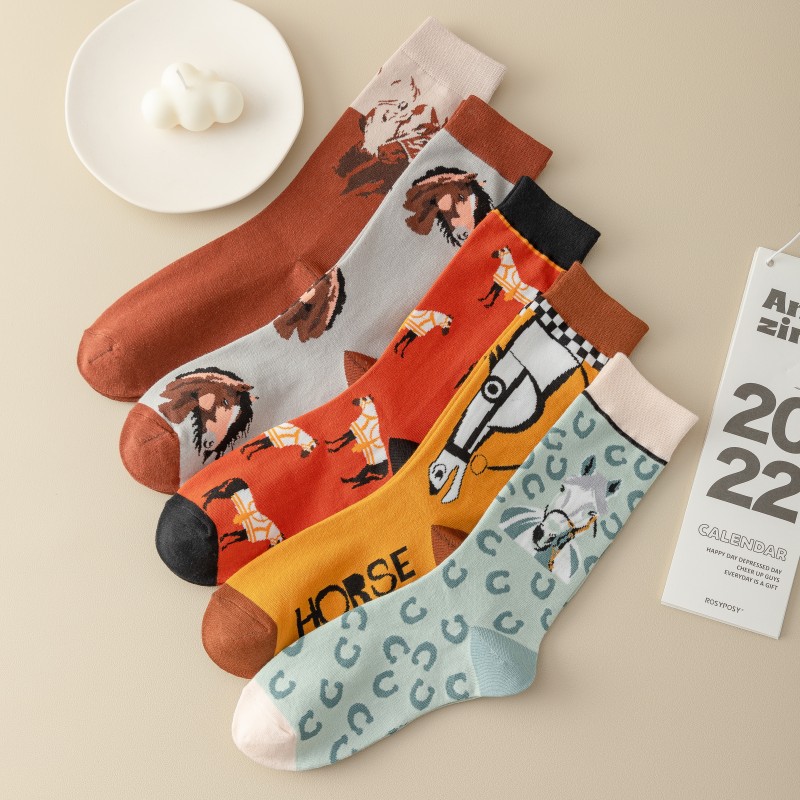
Casual everyday wear accommodates broader sock selection including fashion-forward options prioritizing style alongside basic comfort. Novelty socks featuring patterns, colors, and humorous designs appeal to those expressing personality through accessories, though comfort and durability remain important considerations. Basic cotton or synthetic blend socks work adequately for casual wear with frequent laundering, though performance materials provide added value through superior comfort and extended wear viability. Building a versatile everyday collection includes neutral basics for coordinating with most outfits alongside fashion pieces for creating distinctive style statements or specific mood expression.
Women experiencing specific foot health challenges benefit from socks engineered to address those concerns therapeutically. Diabetic neuropathy socks feature seamless construction, extra cushioning, and moisture-wicking properties preventing the skin breakdown and infections that pose serious health risks for diabetic individuals. These specialized socks incorporate designs minimizing pressure points and seams that might cause ulcerations. Individuals with sensitive feet or neuropathy should prioritize seamless construction, appropriate cushioning, and moisture management alongside medical supervision to prevent complications.
Plantar fasciitis pain responds well to socks featuring arch support and heel cushioning that reduce stress on the affected plantar fascia. Graduated compression socks may provide additional benefit by promoting circulation and reducing inflammation. While socks alone don't cure plantar fasciitis, appropriately designed socks complement other treatments including stretching, physical therapy, and footwear modifications that collectively address this painful condition. Consultation with healthcare providers guides appropriate sock selection for therapeutic applications ensuring compatibility with other treatments.
Circulation issues and edema conditions benefit from graduated compression socks that systematically promote venous return and reduce fluid accumulation in feet and lower legs. Medical-grade compression (20+ mmHg) addresses serious circulatory concerns while milder compression (8-15 mmHg) provides wellness benefits for those standing extensively or at risk for circulation issues. Proper sizing proves critical for compression socks, as ill-fitting sizes eliminate intended benefits while potentially creating new problems through inappropriate pressure. Healthcare providers should fit compression garments to ensure correct sizing and verify medical appropriateness for individual conditions.
Choosing appropriate women's socks extends far beyond simple foot covering, representing conscious decisions about comfort, performance, style, and health that accumulate into substantial quality-of-life impacts across daily activities, athletic pursuits, and professional environments. Understanding material characteristics, recognizing how design features address specific needs, and evaluating socks based on their intended applications enables building a versatile collection meeting diverse requirements while promoting foot health and supporting your unique lifestyle. Whether prioritizing athletic performance, workplace professionalism, casual comfort, or therapeutic benefits, quality women's socks matched thoughtfully to your specific circumstances deliver lasting value that extends well beyond their modest cost, rewarding the attention and care you invest in this often-overlooked but genuinely important wardrobe component.
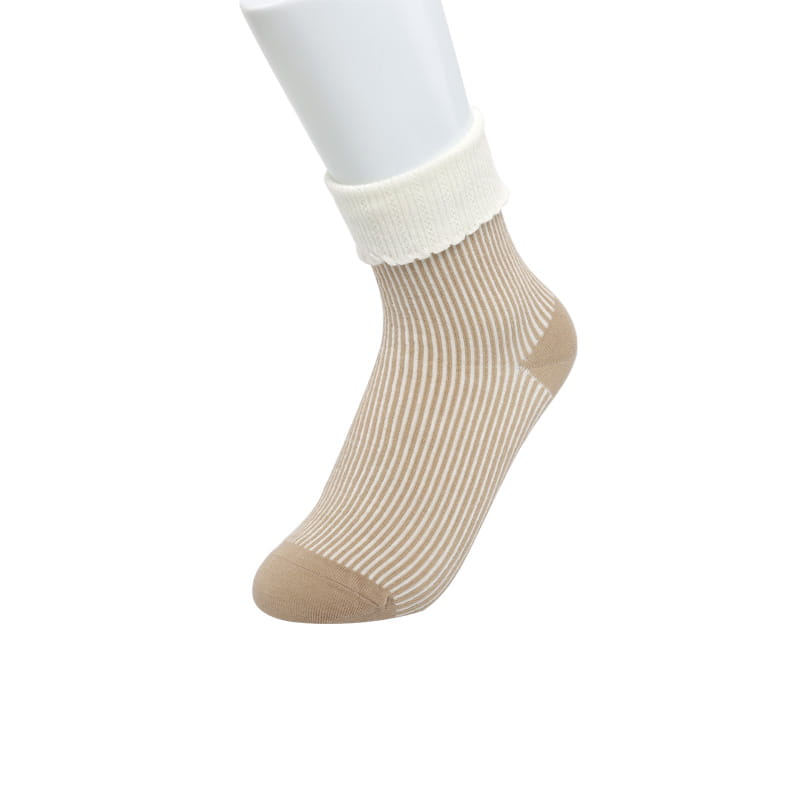
NO. WSD1321 Size EU35-39 Age Adu...
View More
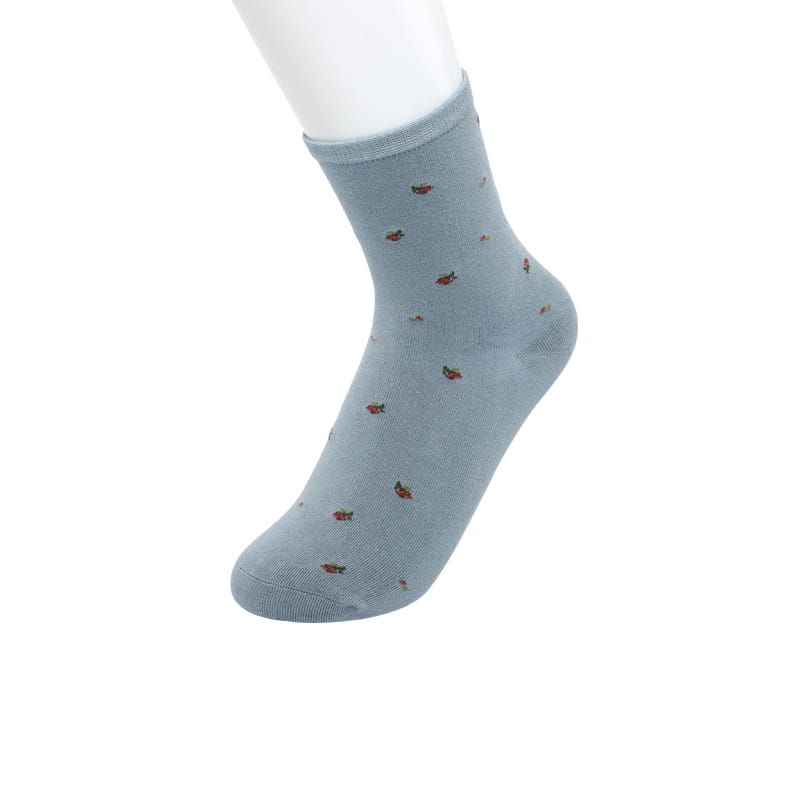
NO. WSD1743 Size EU35-39 Age Adu...
View More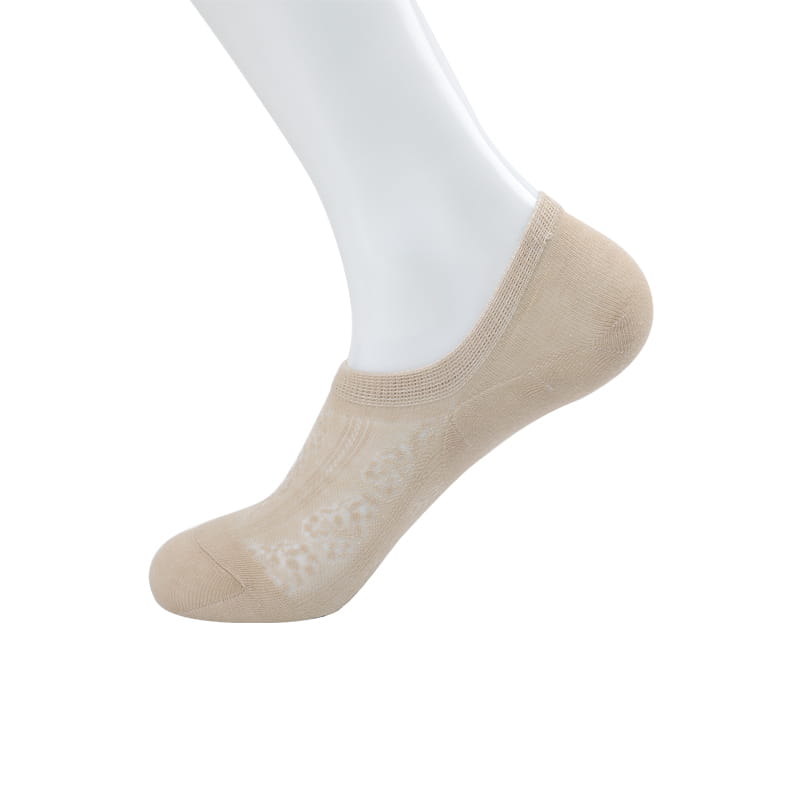
NO. WSD1412 Size EU35-39 Age Adu...
View More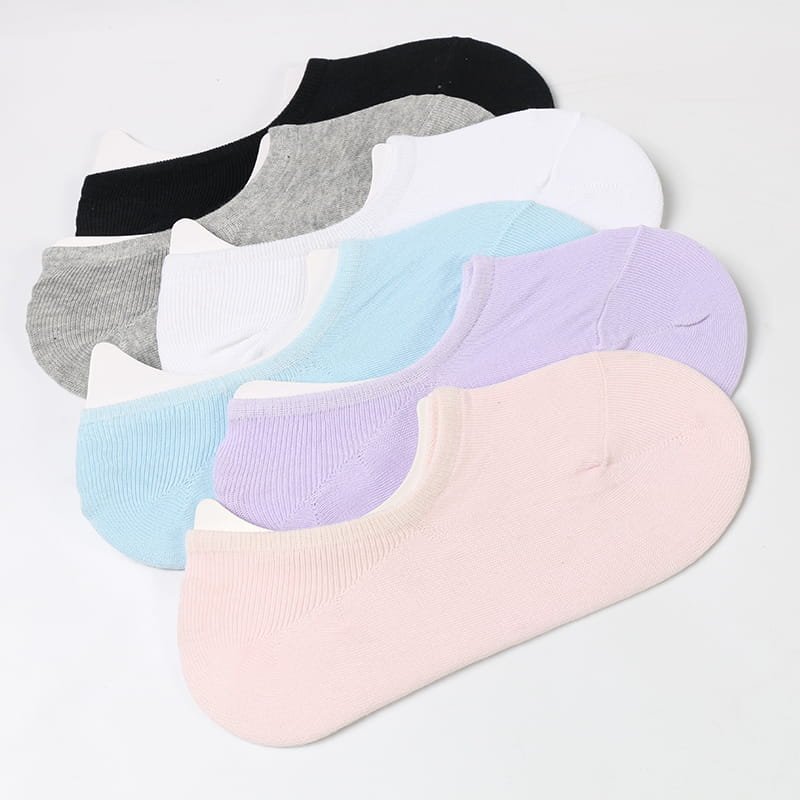
NO. WSD1242 Size EU35-39 Age Adu...
View More

+86-13586371153
+86-0573-87670680
[email protected] [email protected]
8-1 Yongsheng Road, Qianjiang Industrial Park, Dingqiao, Haining, Zhejiang, PRC
Copyright © Haining Wanshida Hosiery Co.,LTDAll Rights Reserved. China Custom Socks Manufacturers