
Content
When it comes to athletic performance, footwear usually gets most of the attention, but socks play an equally critical role—especially for women who run or train regularly. The right women’s socks can prevent blisters, manage moisture, improve comfort, and even enhance stability during movement. Poor-quality socks, on the other hand, may lead to friction, overheating, or foot fatigue, all of which negatively affect workout efficiency.
Women’s feet often differ from men’s in shape, arch height, and heel width, which is why socks designed specifically for women offer better fit and support. For running and workouts, socks must balance breathability, cushioning, and durability without adding bulk. Understanding what makes a sock suitable for high-impact or high-intensity activity is the first step toward choosing the best option.
Before comparing specific types of women’s socks, it’s important to understand the core features that separate athletic socks from casual or fashion socks. These features directly influence comfort and performance during workouts.
Sweat management is one of the most important functions of running and workout socks. Moisture-wicking fabrics pull sweat away from the skin and allow it to evaporate quickly, reducing the risk of blisters and odor. Breathable mesh zones, often placed on the instep or top of the foot, enhance airflow during intense activity.
Cushioning helps absorb shock, especially during running, jumping, or high-impact training. However, more cushioning does not always mean better performance. The best women’s socks offer targeted cushioning at the heel and forefoot while keeping other areas lightweight to maintain responsiveness and flexibility.
A snug, anatomical fit reduces friction and prevents the sock from sliding inside the shoe. Many women’s athletic socks include arch compression bands that gently support the midfoot, improving stability and reducing fatigue during long runs or extended workouts.
Material choice greatly influences how socks perform during running and workouts. Each material has strengths and limitations, and the best socks often combine multiple fibers to achieve balanced performance.
High-quality women’s running socks typically avoid cotton, as it absorbs moisture and dries slowly, increasing the likelihood of blisters during prolonged activity.
Different running styles and distances require different sock designs. Choosing the right type can make a noticeable difference in comfort and endurance.
Low-cut and no-show women’s socks are popular for road running and treadmill workouts. They offer a lightweight feel and minimal coverage, making them ideal for warm weather. Silicone heel grips and snug cuffs are essential features to prevent slipping.
Crew-length socks provide additional coverage and protection, especially for trail running or longer distances. They help shield the ankles from dirt, debris, and minor abrasions while still maintaining breathability and support.
Compression women’s socks apply graduated pressure to improve blood circulation and reduce muscle vibration. Many runners wear them during long runs or post-workout to support recovery and minimize soreness.
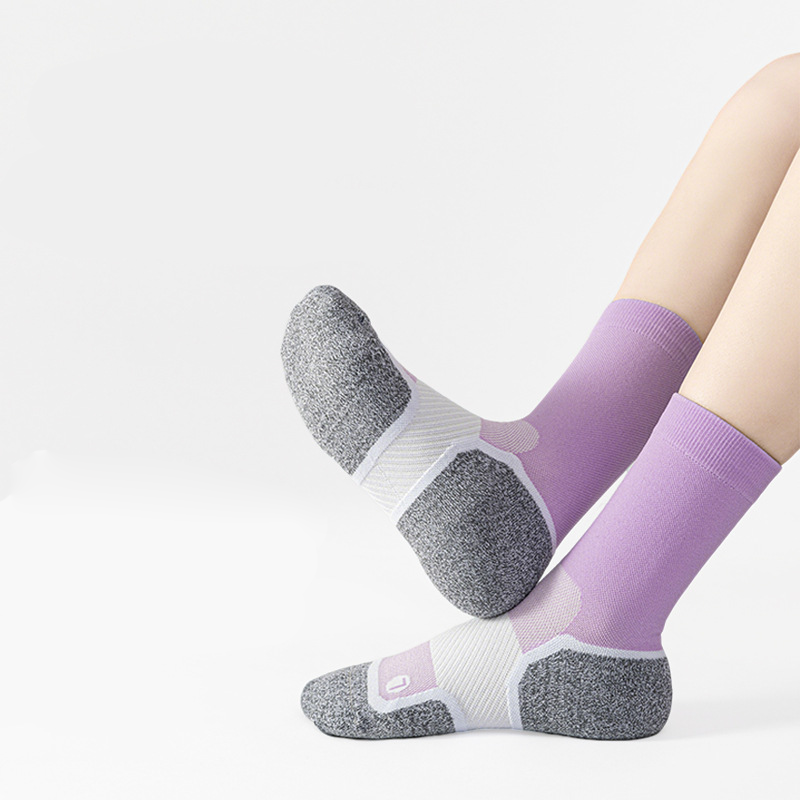
Not all workouts place the same demands on socks. Training type should guide your selection to ensure proper support and durability.
| Workout Type | Recommended Sock Features |
| HIIT & Cross-Training | Reinforced heel, arch support, durable fabric |
| Yoga & Pilates | Thin, flexible fabric, optional grip soles |
| Strength Training | Snug fit, mid-cushion, anti-slip design |
| Cycling & Cardio | Breathable mesh, lightweight compression |
Selecting the top women’s socks for running and workouts depends on personal preferences and training habits. Factors such as climate, foot sensitivity, and workout duration all play a role. Runners in hot climates may prioritize breathability, while those training in colder conditions may value insulation and moisture control.
It’s also important to consider shoe compatibility. Socks that are too thick can affect shoe fit, while socks that are too thin may lack protection. Trying different sock styles and materials can help identify what works best for your routine.
Proper care ensures that high-quality women’s socks maintain their performance features over time. Washing socks inside out helps remove sweat and bacteria more effectively. Using mild detergents and avoiding fabric softeners preserves moisture-wicking properties and elasticity.
Air drying or tumble drying on low heat reduces wear and prevents shrinking. With the right care, performance socks can remain supportive and comfortable through many runs and workouts.
The best women’s socks for running and workouts combine thoughtful design, high-performance materials, and activity-specific features. From moisture-wicking fibers and targeted cushioning to supportive compression and durable construction, the right socks can significantly improve comfort and performance.
By understanding your workout needs and choosing socks designed for those demands, you can reduce discomfort, prevent injury, and make every run or training session more enjoyable and effective.
NO. WSD1042 Size EU35-39 Age Adu...
View More
NO. WSD1310 Size EU35-39 Age Adu...
View More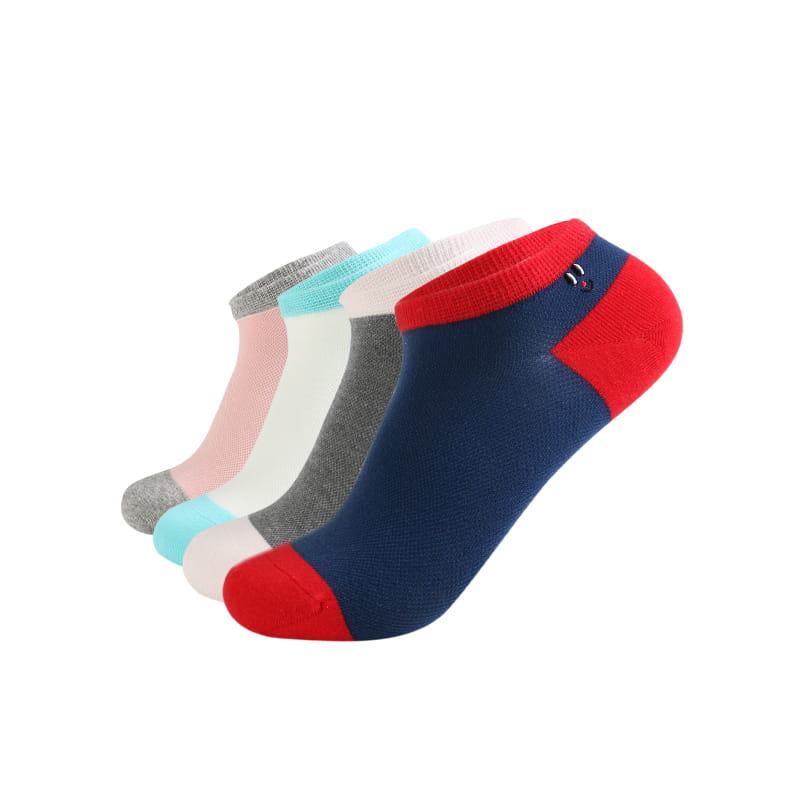
NO. WSD1092 Size EU35-39 Age Adu...
View More
NO. WSD1502 Size EU35-39 Age Adu...
View More
NO. WSD1113 Size EU35-39 Age Adu...
View More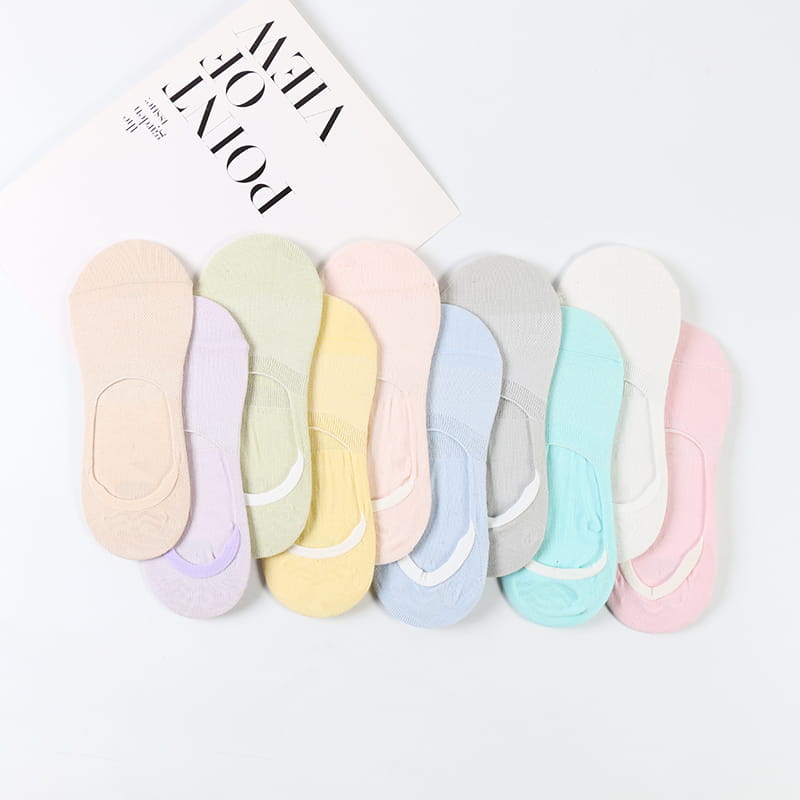
NO. WSD1256 Size EU35-39 Age Adu...
View More

+86-13586371153
+86-0573-87670680
[email protected] [email protected]
8-1 Yongsheng Road, Qianjiang Industrial Park, Dingqiao, Haining, Zhejiang, PRC
Copyright © Haining Wanshida Hosiery Co.,LTDAll Rights Reserved. China Custom Socks Manufacturers