
Content
Choosing the right pair of women's socks might seem like a small decision, but it has a real impact on comfort, foot health, and even outfit style. From everyday cotton crews to moisture-wicking athletic pairs, the sock aisle offers far more variety than most shoppers realize. This guide breaks down the practical factors that matter most when selecting women's socks, so you can build a sock drawer that actually works for your lifestyle instead of one filled with mismatched, uncomfortable pairs.
Socks are not one-size-fits-all in purpose. Different styles are engineered for different needs, and knowing the differences helps you avoid buying the wrong pair for the wrong occasion. Below is a quick comparison of common sock types and their best use cases.
| Sock Type | Best Use | Typical Height |
| No-show | Sneakers, casual flats | Below ankle |
| Ankle | Everyday wear, light exercise | Just above ankle bone |
| Crew | Boots, general daily use | Mid-calf |
| Knee-high | Cold weather, dresses, skirts | Below the knee |
| Compression | Travel, standing jobs, circulation support | Varies (knee-high common) |
Fabric determines how a sock feels, breathes, and holds up over time. Cotton remains the most popular option because it is soft, breathable, and affordable, making it ideal for everyday wear. However, cotton retains moisture, which can be uncomfortable during workouts or in humid climates. Merino wool is a strong alternative for those who want warmth without bulk; it regulates temperature well and resists odor naturally, which makes it a favorite for both winter wear and long travel days. Synthetic blends, such as nylon and polyester combined with spandex, offer durability and shape retention, so socks made with these materials tend to last longer and keep their fit after repeated washing.
For anyone with sensitive skin or a history of foot irritation, seamless construction and hypoallergenic materials are worth prioritizing. Bamboo-derived fabric has also gained popularity for its softness and moisture-wicking properties, making it a gentle option for those prone to blisters or sweat-related discomfort.
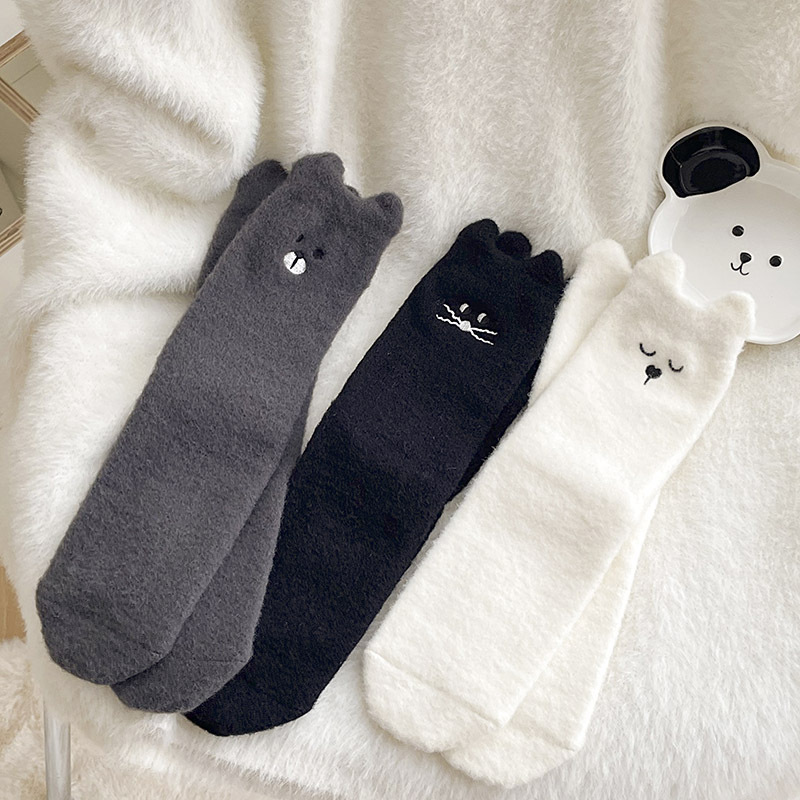
A poorly fitted sock can cause blisters, bunching, or circulation issues, so fit deserves as much attention as fabric choice. Most sock brands size according to shoe size ranges rather than standard clothing sizes, so it helps to check the sizing chart before purchasing, especially when buying online. A sock that is too tight around the cuff can leave marks and restrict blood flow, while one that is too loose will slide down and bunch inside the shoe, leading to discomfort during the day.
Arch support and heel construction also affect fit quality. Socks with a reinforced heel and toe not only fit more securely but also last longer since these are the areas most prone to wear. For those with wider or narrower feet than average, brands offering extended sizing or extra stretch panels can provide a more consistent fit.
Activity-specific socks are designed with targeted cushioning, arch compression, and moisture management for their intended use. Running socks, for example, often include extra padding at the ball and heel of the foot to absorb impact, along with arch bands to reduce fabric shifting during motion. Hiking socks tend to be thicker and made from wool blends for insulation and blister prevention over long distances. For office or lounge wear, plush cotton or cashmere-blend socks provide comfort without the performance features needed for exercise.
Compression socks deserve special mention for anyone who travels frequently or spends long hours standing, such as nurses, teachers, or retail workers. These socks apply graduated pressure that is tightest at the ankle and gradually loosens toward the calf, which helps support circulation and reduce leg fatigue and swelling by the end of the day.
Proper care significantly extends the lifespan of socks, particularly those made from wool or performance synthetics. Turning socks inside out before washing helps preserve the outer fibers and reduces pilling. Washing in cold or warm water rather than hot water prevents shrinkage and helps elastic fibers maintain their stretch over time. Air drying is generally gentler than machine drying, especially for wool blends, since high heat can cause fibers to break down and lose their shape.
Rotating between multiple pairs rather than wearing the same socks daily also allows the fabric to fully recover its shape and elasticity between wears. When holes or thinning fabric appear at the heel or toe, it is usually a sign that the sock has reached the end of its useful life and should be replaced to avoid discomfort or further irritation.
Selecting the right women's socks comes down to matching fabric, fit, and function to your daily needs. Whether you are outfitting a gym bag, a work wardrobe, or a winter drawer, paying attention to these practical details ensures every pair earns its place in your rotation rather than sitting unused.
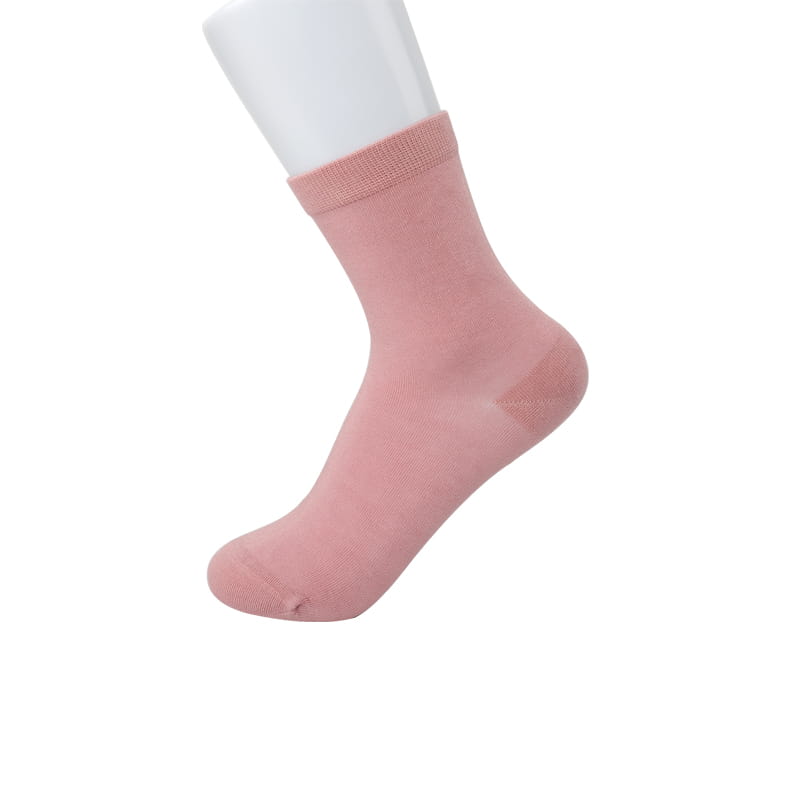
NO. WSD1306 Size EU35-39 Age Adu...
View More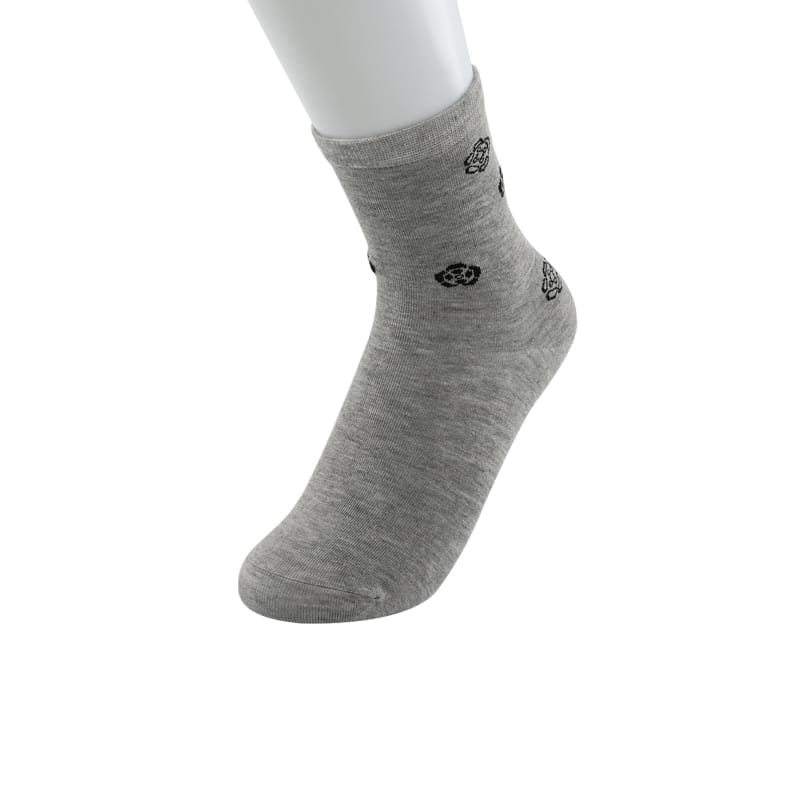
NO. WSD1525 Size EU35-39 Age Adu...
View More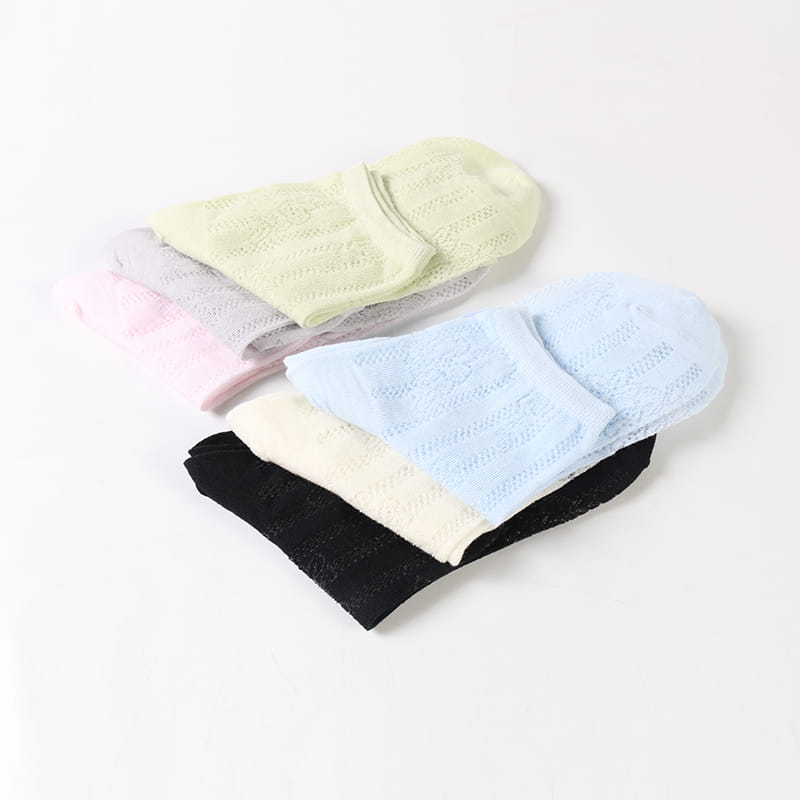
NO. WSD1761 Size EU35-39 Age Adu...
View More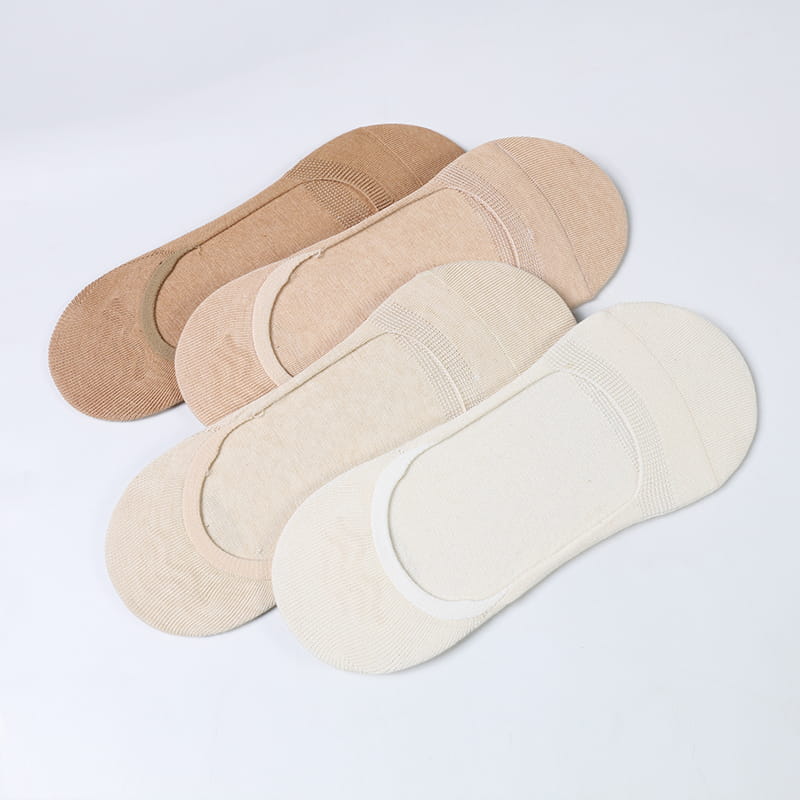
NO. WSD1400 Size EU35-39 Age Adu...
View More
NO. WSD1092 Size EU35-39 Age Adu...
View More
NO. WSD1242 Size EU35-39 Age Adu...
View More

+86-13586371153
+86-0573-87670680
[email protected] [email protected]
8-1 Yongsheng Road, Qianjiang Industrial Park, Dingqiao, Haining, Zhejiang, PRC
Copyright © Haining Wanshida Hosiery Co.,LTDAll Rights Reserved. China Custom Socks Manufacturers