
Content
Knee high men's socks are far more than a practical wardrobe afterthought. Whether you're suiting up for a formal event, gearing up for an outdoor adventure, or simply looking for all-day comfort, the right pair of knee highs can make a measurable difference. Despite their widespread use in sports, medicine, fashion, and workwear, many men still underestimate how much a well-chosen pair contributes to both performance and style. This guide covers everything you need to know — from construction and fabric to fit, function, and fashion — so you can make an informed choice every time.
Not all knee high socks are built the same. The type you choose should match your intended use, activity level, and personal style. Here are the most common categories:
Designed for business or formal wear, these socks are typically made from fine wool, cotton, or nylon blends. They sit smoothly under trousers without bunching and feature reinforced toes and heels for longevity. A good dress knee high stays up throughout the day without leaving marks on your calf.
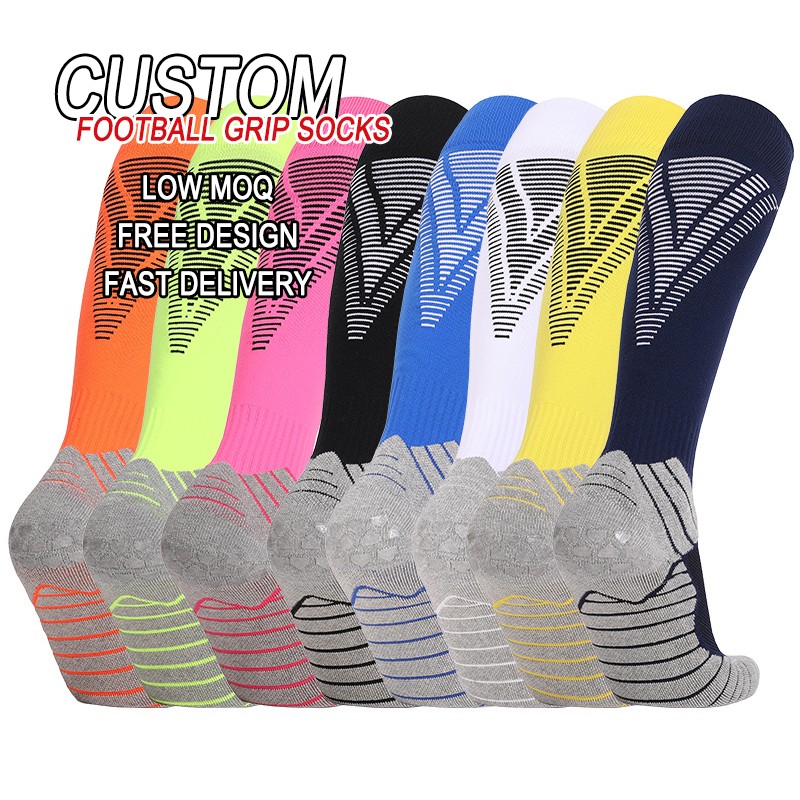
Built for performance, athletic knee highs often feature cushioned soles, arch support, and moisture-wicking fabrics. They are popular in baseball, soccer, cycling, and hiking. The extra length provides calf protection and reduces friction during prolonged physical activity.
Compression knee highs are medically designed to improve blood circulation in the lower legs. They are frequently recommended for men who stand or sit for long hours, travel frequently, or have circulation-related conditions. Measured in mmHg (millimeters of mercury), they range from light support (8–15 mmHg) to firm medical-grade (20–30 mmHg).
For cold-weather activities such as hiking, skiing, or winter work, thermal knee highs provide extra insulation. These typically use merino wool or synthetic fleece blends and are engineered to retain heat even when damp — a critical feature for outdoor use.
The fabric composition of a knee high sock determines how it feels, performs, and lasts. Here is a breakdown of the most widely used materials:
| Fabric | Best For | Key Benefit |
| Cotton | Everyday casual wear | Soft, breathable, affordable |
| Merino Wool | Outdoor and winter activities | Temperature-regulating, odor-resistant |
| Nylon / Polyester | Sports and athletic use | Durable, moisture-wicking, lightweight |
| Spandex / Elastane | All types (as a blend) | Stretch, shape retention, fit |
| Bamboo | Sensitive skin or warm climates | Hypoallergenic, ultra-soft, eco-friendly |
Most high-quality knee high socks combine two or more fabrics to balance comfort, performance, and durability. For example, a 75% merino wool, 20% nylon, and 5% elastane blend is a popular choice for hiking socks because it delivers warmth, strength, and a secure fit simultaneously.
Fit is arguably the most important factor when choosing knee high men's socks. An ill-fitting sock can slip down, cut off circulation, cause blisters, or bunch uncomfortably inside your shoe or boot. Here is what to look at when sizing:
The versatility of knee high socks makes them suitable for a wide range of situations. Understanding your primary use case will help you narrow down options quickly.
For professional settings, over-the-calf dress socks ensure there is no bare leg visible when you cross your legs while seated. Stick to solid colors or subtle patterns in black, navy, charcoal, or dark brown that complement your trousers and shoes.
Knee high hiking socks protect your shins and lower calves from brush, insects, and boot abrasion. Choose a sock with targeted cushioning zones at the heel and ball of the foot, and ensure the fabric offers moisture management to prevent blisters on long trails.
In baseball, soccer, and field hockey, knee high socks are part of the uniform for practical reasons — they keep shin guards in place and protect the lower leg. Look for socks with reinforced knees and flat toe seams to avoid irritation during repetitive movement.
Compression knee highs are ideal for air travel. Sitting for hours reduces circulation and can cause ankle swelling. A light-to-moderate compression sock (15–20 mmHg) worn during flights significantly reduces discomfort and fatigue upon arrival.
Knee high socks have gained traction in men's streetwear and casual fashion. While they were once reserved for formal or athletic contexts, modern styling has pushed them into everyday outfits. Here are some practical styling pointers:
Even the best knee high socks will degrade quickly if not cared for properly. Follow these guidelines to maintain their shape, elasticity, and fabric integrity:
Before making a purchase, use this checklist to ensure you are getting the best value and fit for your needs:
Taking five minutes to evaluate these points before buying will save you from socks that stretch out, slide down, or wear out prematurely. Knee high men's socks are a small investment with a significant return when chosen thoughtfully — in comfort, health, performance, and style.
NO. WSD1491 Size EU35-39 Age Adu...
View More
NO. WSD1092 Size EU35-39 Age Adu...
View More
NO. WSD1232 Size EU35-39 Age Adu...
View More
NO. WSD1402 Size EU35-39 Age Adu...
View More

+86-13586371153
+86-0573-87670680
[email protected] [email protected]
8-1 Yongsheng Road, Qianjiang Industrial Park, Dingqiao, Haining, Zhejiang, PRC
Copyright © Haining Wanshida Hosiery Co.,LTDAll Rights Reserved. China Custom Socks Manufacturers