
Content
When it comes to kids socks, the fabric is the single most important factor parents should evaluate. Children's feet sweat more than adults' relative to their size, and they are far less likely to complain about discomfort until it becomes unbearable. This makes choosing the right material not just a comfort issue, but a health-related one.
Cotton remains the most widely used material in kids socks for good reason. It is breathable, soft against sensitive skin, and easy to wash. However, not all cotton is equal. Combed cotton has had shorter fibers removed, making it smoother and more durable than standard cotton. For everyday wear, a cotton-polyester blend offers a good balance of softness, shape retention, and longevity.
Wool, particularly merino wool, is worth considering for colder climates or outdoor-active children. Merino is naturally moisture-wicking and temperature-regulating, keeping feet warm in winter and surprisingly cool in summer. Bamboo fiber is another increasingly popular option — it is exceptionally soft, hypoallergenic, and has natural antibacterial properties, which helps reduce odor.
Synthetic materials like polyester and nylon are often blended with natural fibers to add durability and elasticity. A small percentage of spandex or elastane (typically 2–5%) helps socks retain their shape and stay in place, which is crucial for active kids who run, jump, and play all day.
A poorly fitting sock is more than just an annoyance — it can cause blisters, restrict circulation, or bunch up inside shoes and create painful pressure points. Kids' feet grow fast, so finding the right size requires more than just glancing at a label.
Most kids socks are sold in size ranges based on shoe size or age group. Always refer to the specific brand's sizing chart rather than relying on general age categories, as these can vary significantly. A sock that is too small will constrict the foot and wear out faster, while one that is too large will bunch and slide, especially inside athletic shoes.
Crew-length socks are the most versatile option for most children and offer better protection against blisters from shoe edges. Ankle socks work well for casual shoes or warmer months, while knee-high socks are ideal for boots or as an added layer of warmth in winter.
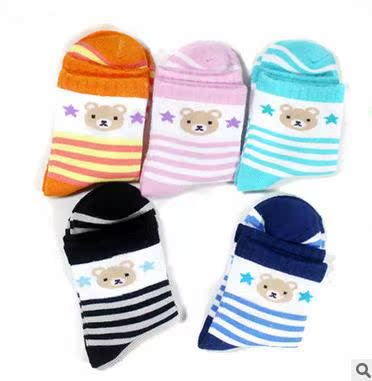
Kids are notoriously tough on socks. Between playground activities, sports, and the sheer volume of laundry that children generate, a pair of socks needs to withstand serious use. Durability depends on several factors working together: material quality, knit density, and the reinforcement of high-stress areas.
Look for socks with a higher thread count in the knit pattern — denser knits hold their structure longer and resist pilling. Reinforced heel and toe construction, often marked as "double-knit" or "heavy duty," is worth paying extra for, as these are the areas that typically fail first.
Pay attention to the care instructions as well. Socks that can withstand regular machine washing on warm cycles without shrinking or losing elasticity are a practical necessity in any household with young children. Avoid socks that require hand-washing or low-heat tumble drying — these are difficult to maintain in reality.
Some brands offer stretch guarantee or replacement policies for socks that develop holes within a certain timeframe. While this is not a universal standard, it can be a useful indicator of a manufacturer's confidence in their own product quality.
| Sock Type | Best For | Material Typical | Durability |
| Cotton Crew | Everyday school wear | Cotton / polyester blend | Good |
| Athletic / Sports | Running, sports, PE | Polyester / spandex blend | Very Good |
| Merino Wool | Outdoor and cold weather | Merino wool / nylon | Excellent |
| Bamboo | Sensitive skin, allergy-prone | Bamboo viscose / elastane | Good |
| No-Show / Liner | Sneakers, casual shoes | Cotton / nylon blend | Moderate |
A significant number of children have sensitive skin, eczema, or textile allergies that can make standard socks uncomfortable or even harmful. For these children, the choice of sock material requires extra care. Synthetic fibers like polyester can trap heat and irritate sensitive skin, while dyes and chemical finishes used on some socks can trigger reactions in allergy-prone children.
Opt for socks labeled "OEKO-TEX certified" or "free from harmful substances." This certification indicates the textile has been tested for over 100 harmful chemicals and meets strict safety standards. Organic cotton socks are another solid choice, as they are grown and processed without pesticides or harsh chemicals.
For children with sensory processing sensitivities, the texture of the sock matters as much as the material. Seamless socks — those with no raised seam at the toe — are widely recommended by occupational therapists for children who find seams distracting or painful. Some brands offer inside-out or flat-toe construction specifically designed with these children in mind.
Kids socks can range from under a dollar per pair in budget multipacks to over ten dollars each for premium merino or specialist brands. Finding the right balance depends on how often your child goes through socks and what activities they are used for.
Multipacks of cotton-blend socks from reputable brands offer excellent value for everyday school use. Buying in sets of five to ten pairs ensures you always have clean socks available without overpaying per pair. For sports or outdoor use, it is worth investing in one or two quality pairs designed specifically for that purpose — these will outperform budget alternatives in comfort and longevity.
It is also worth considering gender-neutral styles and solid colors for families with multiple children, as these can easily be passed down or shared without issue. Patterned or novelty socks are fun, but ensure the dyes used meet safety standards if your child has sensitive skin.
One often-overlooked aspect of buying kids socks is that children themselves have strong opinions about what they wear. A sock that a child refuses to put on — because it feels scratchy, looks "babyish," or features the wrong character — is a sock that is functionally useless regardless of its technical merits.
Involving children in the selection process, within a range of pre-approved options, can reduce morning battles and ensure the socks actually get worn. Many brands offer socks featuring popular characters, animals, and vibrant color combinations that appeal to different age groups. For younger children, pictures and textures on the sole of the sock can make getting dressed a more engaging experience.
That said, always prioritize function over aesthetics. A brightly colored sock with poor elasticity, thin fabric, or uncomfortable seams will not serve your child well no matter how exciting the print. The ideal kids sock strikes a balance: meeting all the practical requirements while still being something your child actually wants to wear.
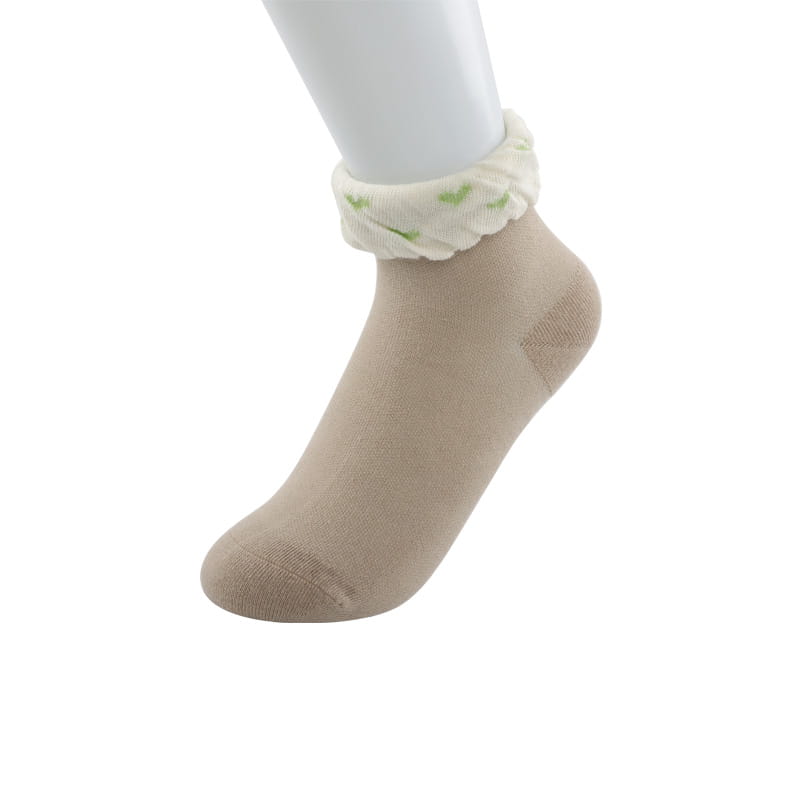
NO. WSD1072 Size EU35-39 Age Adu...
View More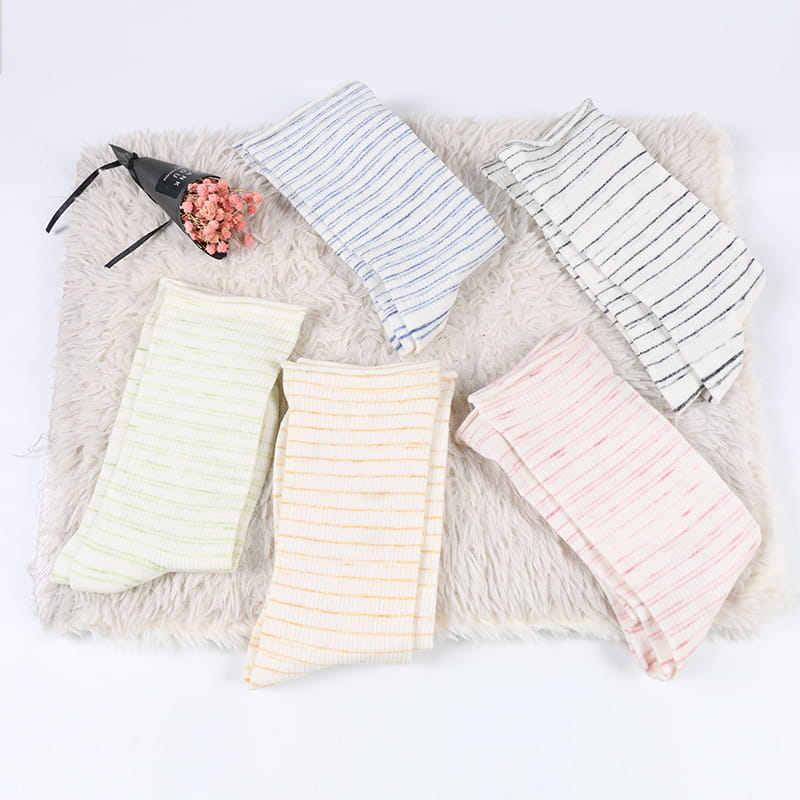
NO. WSD1491 Size EU35-39 Age Adu...
View More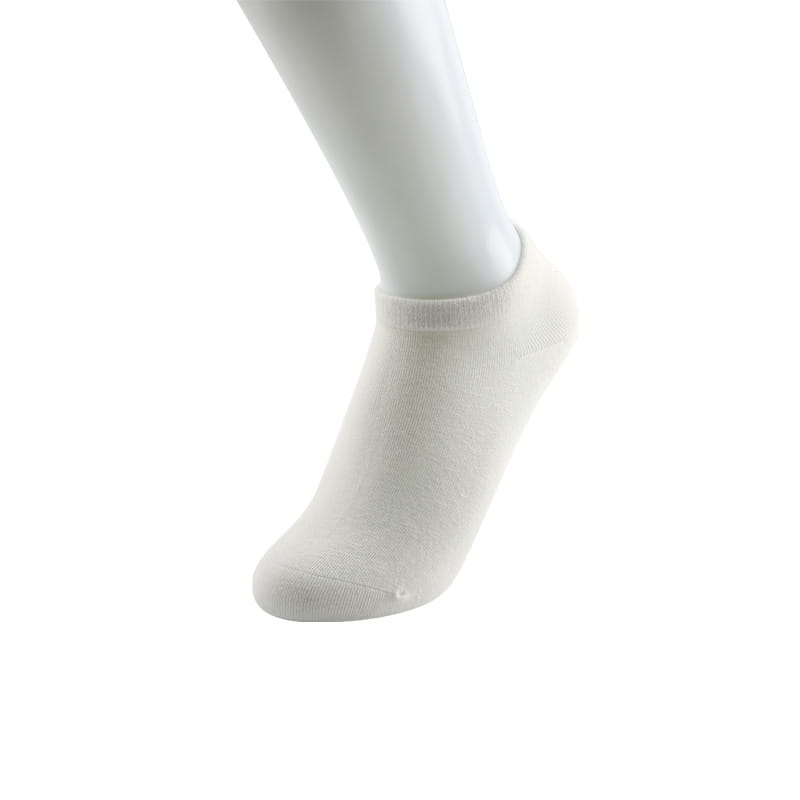
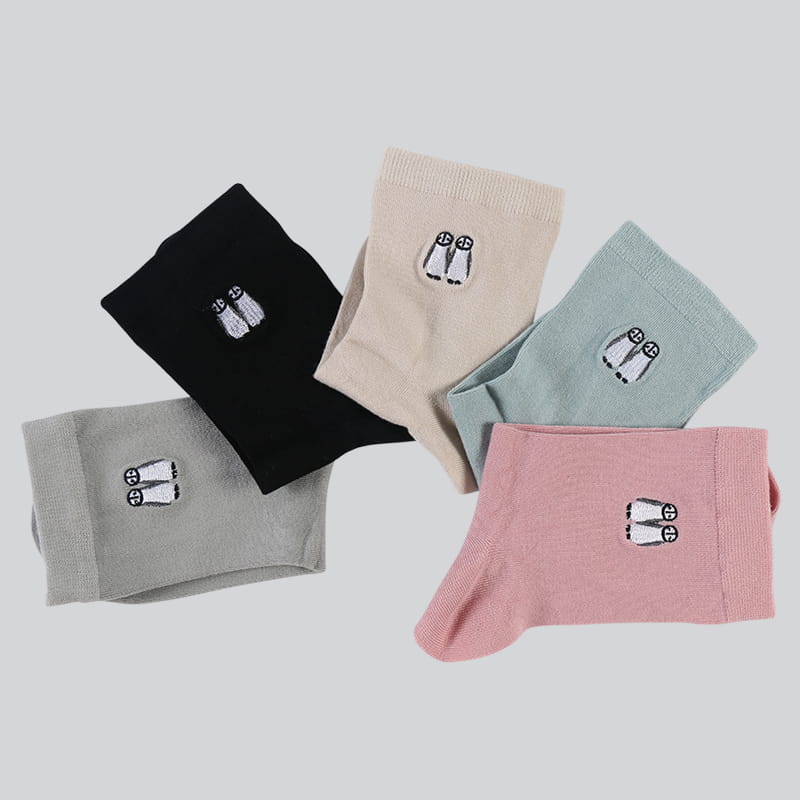
NO. WSD1502 Size EU35-39 Age Adu...
View More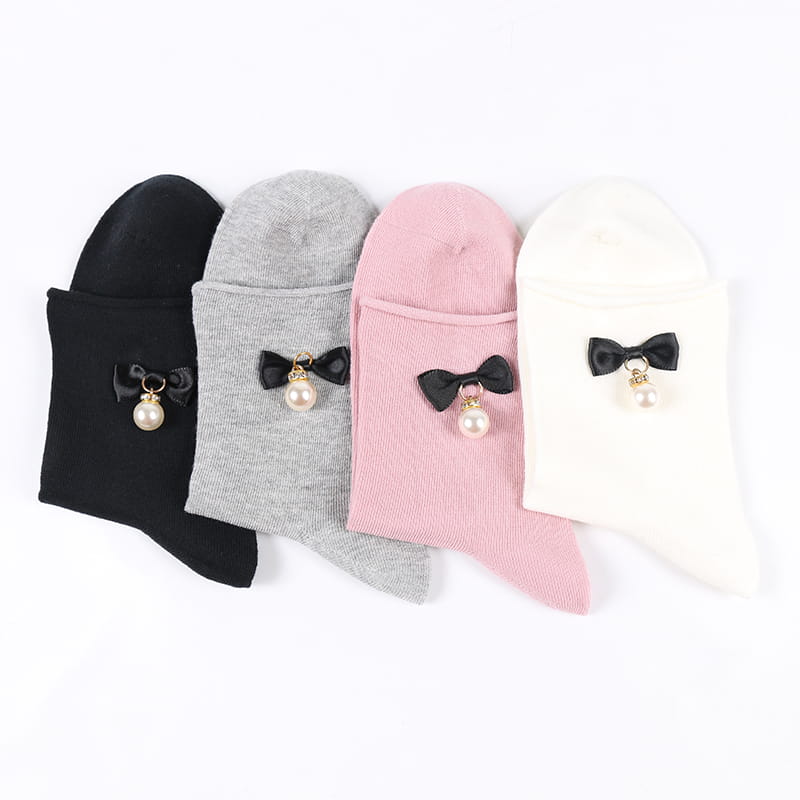
NO. WSD1113 Size EU35-39 Age Adu...
View More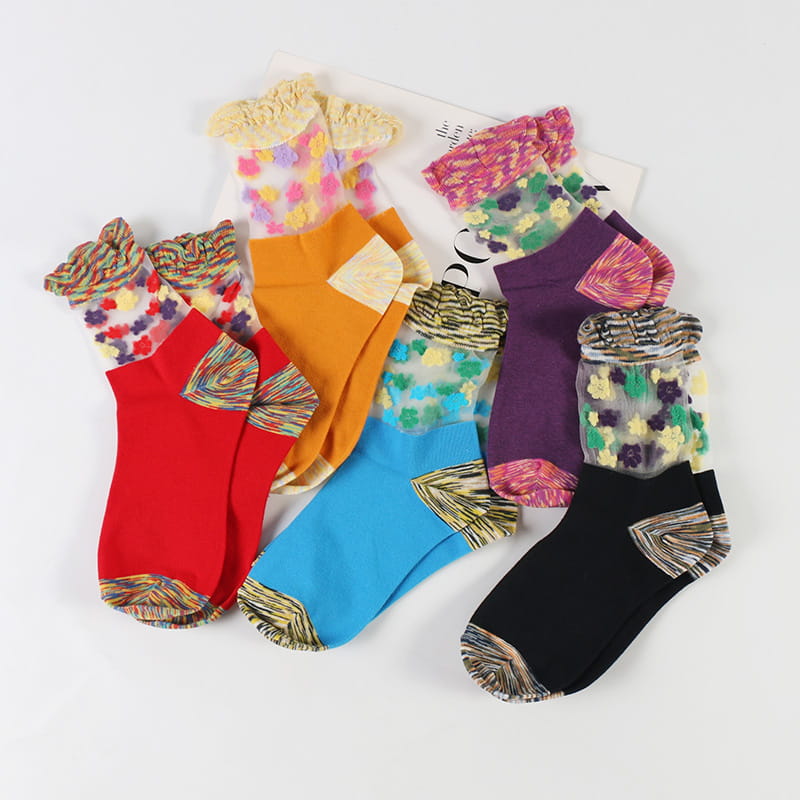
NO. WSD1140 Size EU35-39 Age Adu...
View More

+86-13586371153
+86-0573-87670680
[email protected] [email protected]
8-1 Yongsheng Road, Qianjiang Industrial Park, Dingqiao, Haining, Zhejiang, PRC
Copyright © Haining Wanshida Hosiery Co.,LTDAll Rights Reserved. China Custom Socks Manufacturers