
Content
Most people treat socks as an afterthought, grabbing whatever is available without much consideration. But for women, socks play a surprisingly significant role in daily comfort, foot health, and even personal style. The wrong pair can cause blisters, poor circulation, or sweaty discomfort, while the right pair can make a long day on your feet feel manageable. Whether you're heading to the office, hitting the gym, or lounging at home, understanding what makes a quality women's sock can genuinely improve your everyday experience.
Women's feet face unique challenges — from narrower heels to higher arches and the demands of varied footwear like heels, flats, and athletic shoes. This means women's socks need to be more than just a fabric tube. They need to address specific anatomical needs, fit different shoe styles, and hold up under repeated washing without losing their shape or softness.
The world of women's socks is far more diverse than most people realize. Each style serves a distinct purpose and pairs best with specific types of footwear or activities. Knowing the differences helps you build a well-rounded sock wardrobe that works for every occasion.
No-show socks are designed to sit just below the shoe's opening, making them invisible when worn. They are ideal for sneakers, ballet flats, and loafers where you want the barefoot aesthetic without actually going sockless. Liner socks are even more minimal and are often made with silicone grip strips at the heel to prevent slipping. These are a must-have for summer footwear.
Ankle socks rise just above the ankle bone and are among the most versatile options available. They work well with athletic shoes, casual sneakers, and low-cut boots. Many athletic women prefer ankle socks for workouts because they provide just enough coverage without restricting movement or causing overheating.
Crew socks extend to the mid-calf and offer more warmth and protection. They are a staple for colder months, outdoor activities, and casual streetwear looks. The current fashion trend has also made crew socks a statement piece, with colorful patterns, brand logos, and fun textures becoming extremely popular among younger women.
Knee-high socks cover the full calf and are often used for boots, school uniforms, or as a fashion statement. Over-the-knee socks extend past the knee and are typically worn as a style accessory with skirts or shorts. Compression knee-highs are also widely used by women who stand for long hours or travel frequently, offering therapeutic benefits for circulation.
Compression socks apply graduated pressure to the legs, which helps improve blood flow and reduce swelling. They are particularly useful for pregnant women, nurses, flight attendants, and anyone who experiences leg fatigue or mild edema. Modern compression socks come in stylish designs that look like regular socks, making them easy to wear in everyday settings.
The fabric composition of a sock determines its breathability, durability, softness, and moisture management. Here is a breakdown of the most common materials used in women's socks and what each one offers:
| Material | Key Benefits | Best For |
| Cotton | Soft, breathable, affordable | Everyday casual wear |
| Merino Wool | Temperature-regulating, odor-resistant | Outdoor activities, travel |
| Bamboo | Ultra-soft, eco-friendly, moisture-wicking | Sensitive skin, warm climates |
| Nylon/Polyester | Durable, stretch-resistant | Athletic and performance socks |
| Cashmere | Extremely soft, luxurious warmth | Loungewear, gifts, cold weather |
| Spandex/Lycra blend | Elasticity, shape retention | Compression, fitted styles |
Most quality socks use a blend of materials rather than a single fiber. For example, a cotton-spandex blend gives you the softness of cotton combined with the stretch and shape retention of spandex. When shopping, always check the label for material percentages to make an informed choice based on your specific needs.
Fit is one of the most overlooked aspects of buying socks. A sock that is too tight can restrict circulation, while one that is too loose will bunch up inside your shoe and cause friction and blisters. Women's socks are typically sized by shoe size, but the cut and elasticity of the sock band matter just as much as the number on the label.
Here are key fit factors to consider when choosing women's socks:
Not all socks are created equal when it comes to specific activities. Choosing the right sock for your lifestyle can make a measurable difference in performance and comfort.
Athletic women need socks with moisture-wicking properties, cushioned soles in high-impact zones (like the heel and ball of the foot), and a snug fit that prevents movement inside the shoe. Look for socks labeled as "running socks" or "performance socks" that specifically mention blister prevention. Synthetic blends like polyester-spandex or merino wool blends are excellent choices for high-intensity workouts.
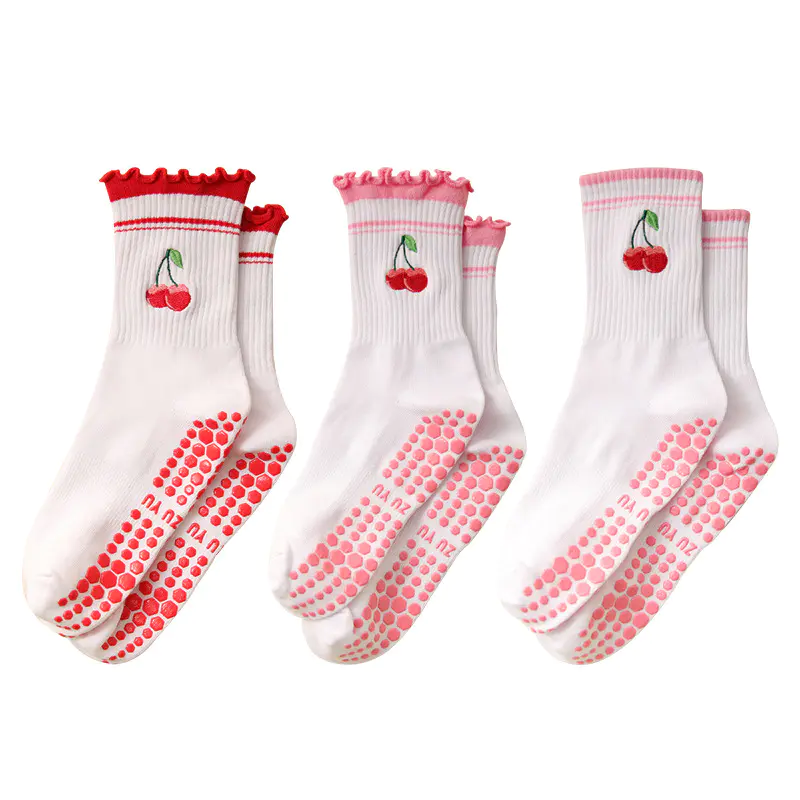
Women who wear heels or formal flats to work benefit most from thin nylon or cotton-blend dress socks, or no-show liners that keep feet comfortable without showing above the shoe line. Neutral tones and seamless designs are ideal for professional environments. If you suffer from tired legs at work, consider sheer compression hosiery that looks polished while providing therapeutic support.
Merino wool socks are the gold standard for outdoor enthusiasts and anyone dealing with cold winters. They regulate temperature naturally, wick moisture away from the skin even when wet, and resist odor much better than synthetic alternatives. Hiking socks in this category often come with extra cushioning at the heel and toe, as well as reinforced zones at the shin for boot compatibility.
Fluffy, cozy socks made from sherpa fleece, cashmere, or plush cotton are perfect for home relaxation. Many women also enjoy moisturizing socks — lined with aloe vera or other skin-softening materials — that hydrate the feet overnight. These make excellent self-care gifts and are particularly popular during the fall and winter seasons.
Even the best women's socks will deteriorate quickly if they are not properly cared for. With a little attention to washing and storage habits, you can significantly extend the life of your socks and keep them looking and feeling their best.
A thoughtfully curated sock collection doesn't need to be large — it just needs to cover all your key scenarios. As a starting point, consider stocking up on the following essentials:
Rotating through these categories based on your daily needs ensures your feet are always well-supported, comfortable, and appropriately dressed for the occasion. Investing in a few high-quality pairs rather than dozens of cheap ones also pays off in the long run — better materials, better construction, and better durability mean fewer replacements and a better experience every single day.
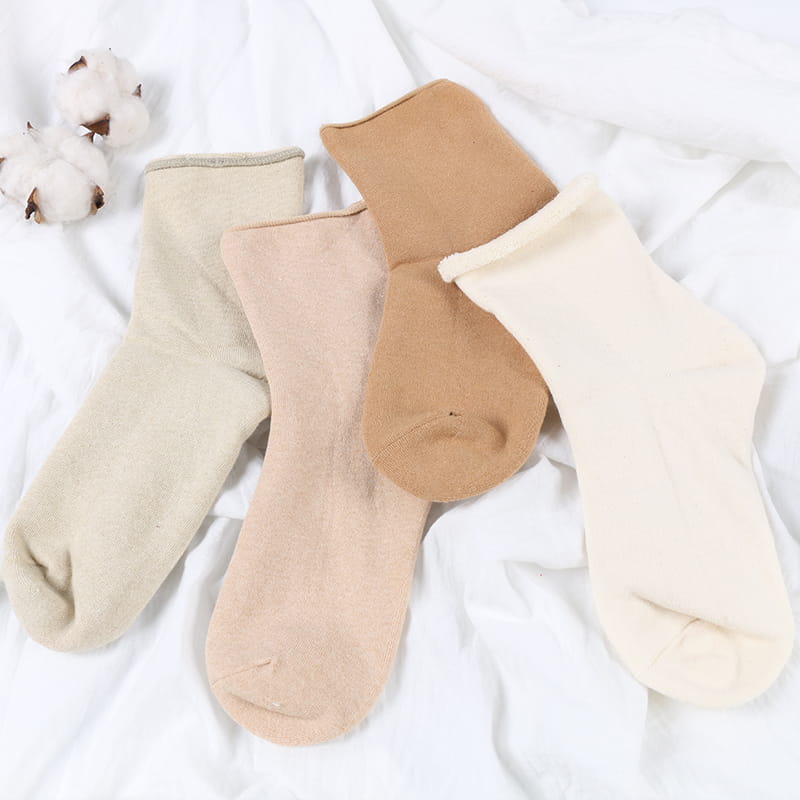
NO. WSD1407 Size EU35-39 Age Adu...
View More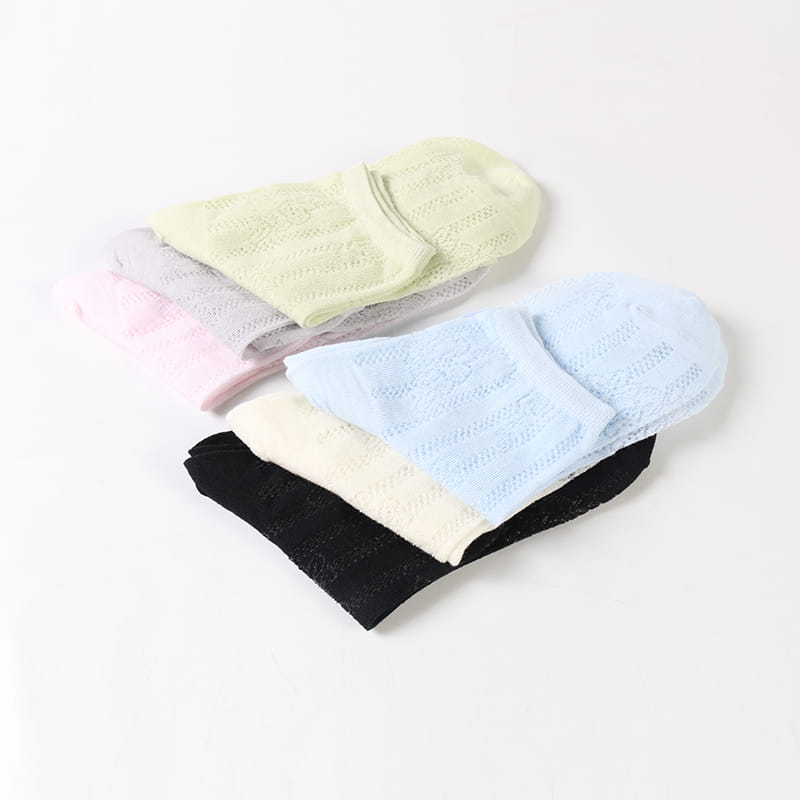
NO. WSD1761 Size EU35-39 Age Adu...
View More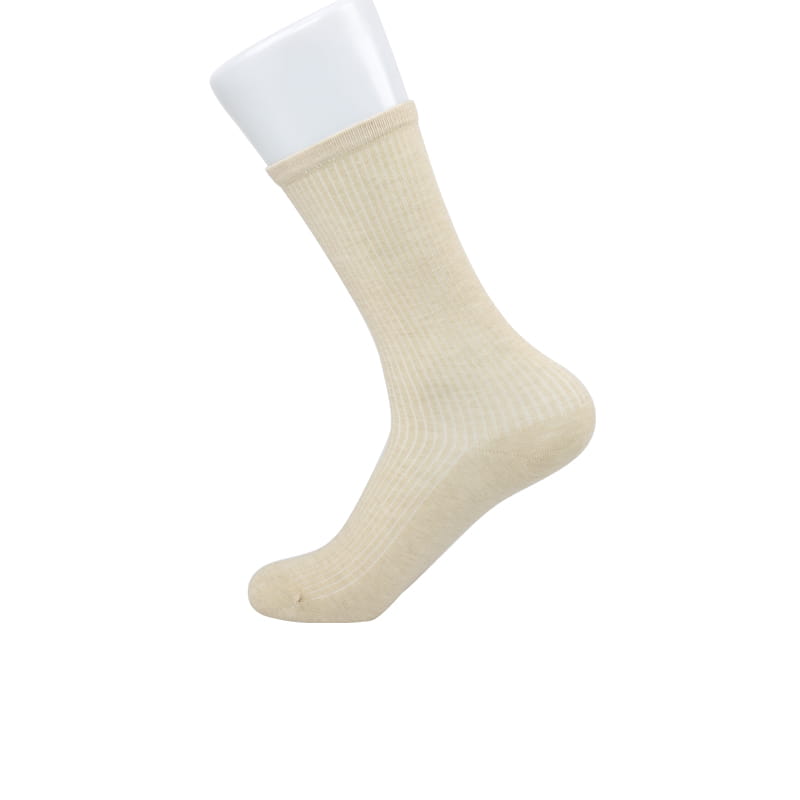
NO. WSD1412 Size EU35-39 Age Adu...
View More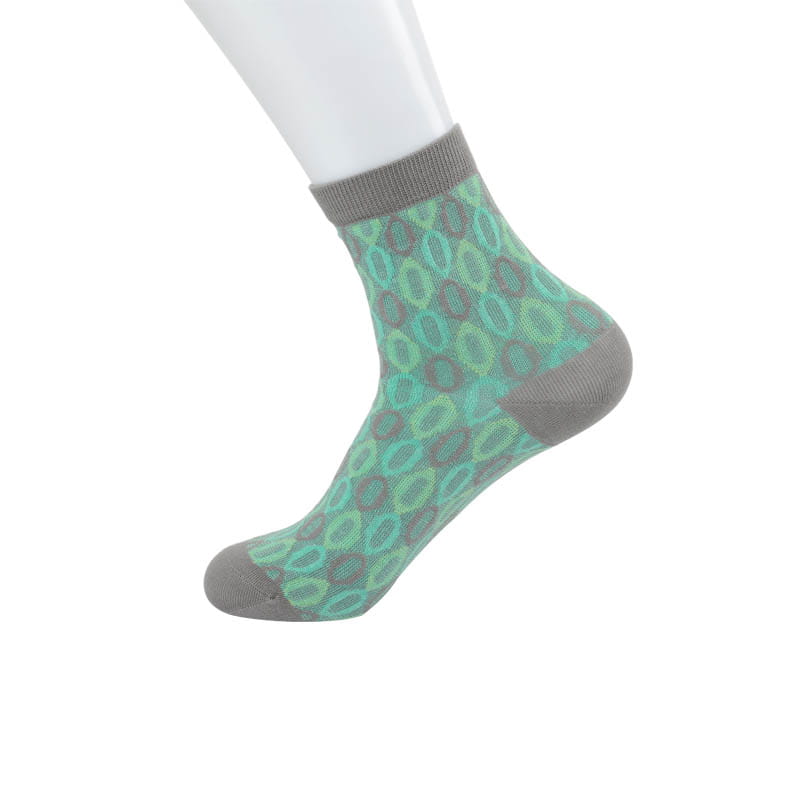
NO. WSD1143 Size EU35-39 Age Adu...
View More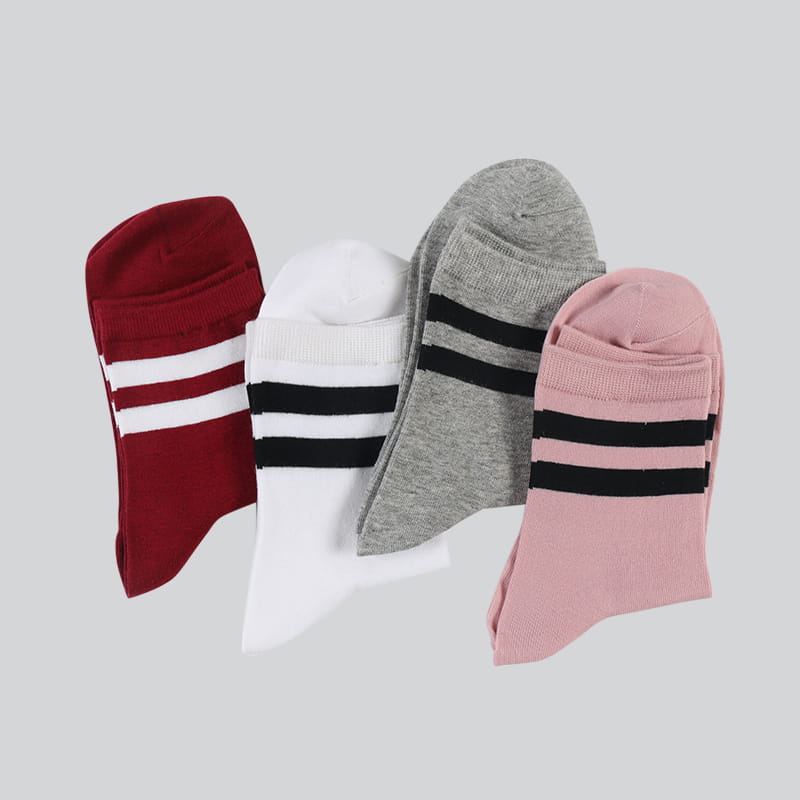
NO. WSD1463 Size EU35-39 Age Adu...
View More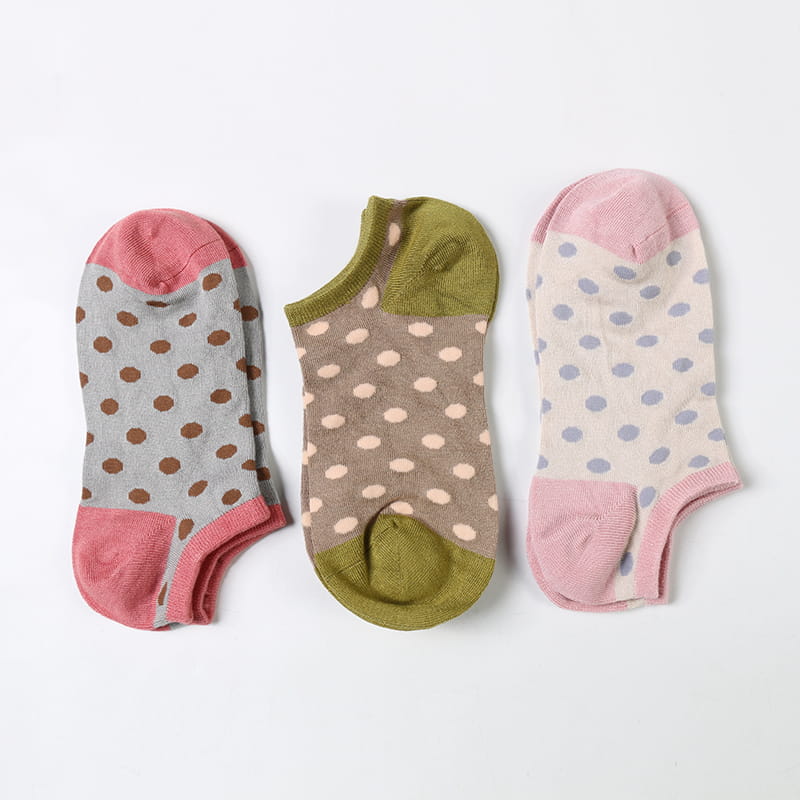
NO. WSD1260 Size EU35-39 Age Adu...
View More

+86-13586371153
+86-0573-87670680
[email protected] [email protected]
8-1 Yongsheng Road, Qianjiang Industrial Park, Dingqiao, Haining, Zhejiang, PRC
Copyright © Haining Wanshida Hosiery Co.,LTDAll Rights Reserved. China Custom Socks Manufacturers