
Content
Knee high men's socks are more than a nostalgic wardrobe relic — they are a versatile, performance-driven accessory that serves practical, aesthetic, and health-related roles. This deep guide explains what makes knee high socks unique, how to choose the right pair for different activities, how to size and fit them correctly, and how to care for them to extend their lifespan. Whether you're a professional dressing for the office, an athlete seeking extra support, or someone who appreciates classic style, this article will give you specific, actionable advice.
Knee high socks for men come in distinct categories based on use, materials, and design. Understanding these categories will help you match the sock to your needs instead of choosing by habit or color alone.
Dress knee high socks are thin, smooth, and usually made from mercerized cotton, modal, or a cotton-nylon blend. They prioritize a sleek silhouette under trousers, minimal bulk inside dress shoes, and colorfastness for formal outfits. Look for reinforced toes and heels and a gentle elastic cuff that stays up without cutting circulation.
Performance knee highs are engineered for sport — soccer, running, cycling, and weightlifting are common use cases. They often use blends of polyester, nylon, and elastane for moisture wicking, abrasion resistance, and stretch. Compression variations provide graduated pressure to enhance circulation and reduce swelling during long events.
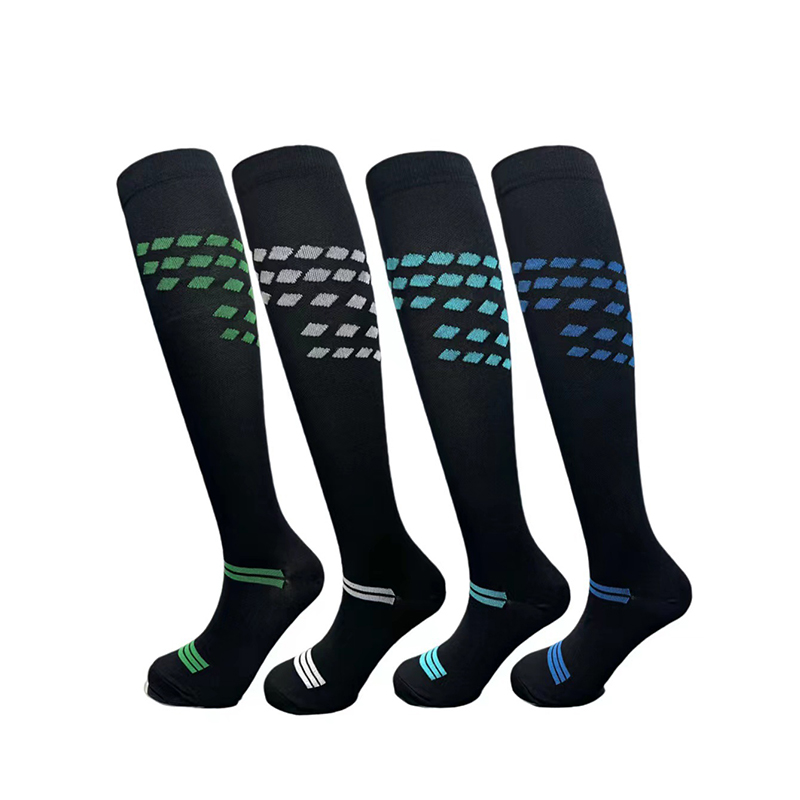
For cold weather or hiking, thermal knee highs with wool, merino, or synthetic insulation offer warmth without bulk. They wick moisture, regulate temperature, and are often cushioned in the sole for comfort during long treks.
Therapeutic knee highs are designed to provide specific levels of compression (measured in mmHg) to help with venous insufficiency, edema, or long periods of immobility like flights. These should be selected based on a healthcare provider’s recommendation and require accurate sizing.
Materials determine comfort, durability, and performance. Here is a practical comparison of common sock materials to help you decide.
| Material | Best for | Pros | Cons |
| Cotton (mercerized) | Dress & casual | Comfortable, breathable, smooth finish | Holds moisture, slower drying |
| Merino wool | Cold weather, hiking | Warm, odor-resistant, moisture-managing | More expensive |
| Synthetic blends | Sports & compression | Fast-drying, durable, supportive | Can feel less breathable |
| Modal/Viscose | Luxury dress socks | Soft, silky drape, color retention | Less durable than synthetics |
A proper fit keeps the sock functional and comfortable. Key fit points include length, cuff pressure, toe room, and heel placement. Here's how to check each:
The versatility of knee high men's socks makes them suitable across many contexts. Below are precise styling and functional tips for common scenarios.
Choose solid, dark colors that match trousers or shoes to create a continuous visual line — black, navy, or dark gray. Avoid conspicuous patterns unless you're intentionally creating a statement. Thin modal or mercerized cotton blends provide the sleek profile necessary for dress shoes.
For sport, select moisture-wicking synthetics with strategic cushioning in the footbed and arch support. Compression knee highs are helpful for endurance sports — they improve venous return and can reduce muscle vibration during repeated impact.
Knee highs paired with shorts or cropped trousers create a deliberate retro or skate-inspired look. Patterned socks can act as an accent piece; keep proportions in mind so the sock complements rather than overwhelms the outfit.
Proper care preserves elasticity, color, and fabric integrity. Follow these practical steps:
Many men choose socks based on price or color alone. Avoid these pitfalls:
Use this short checklist at the point of purchase to ensure you get value and the right performance for your needs.
Yes, when selected correctly. Moisture-wicking fabrics and a snug, non-slip fit reduce friction, and padded zones in athletic knee highs protect high-friction areas. However, the wrong material or poor fit can increase blister risk.
Mild compression (generally under 20 mmHg) is safe for many people and can reduce leg fatigue. Higher compression levels used for medical conditions should follow professional guidance — improper sizing or use can cause discomfort or circulation issues.
Lifespan depends on material quality and care. High-quality merino or synthetic performance socks can last 12–24 months with regular use, while premium dress socks may last longer if rotated and well cared for.
Knee high men's socks combine practical benefits with stylistic opportunities. By choosing the correct material, fit, and design for your activity, and by following proper care routines, you can make these socks a reliable and comfortable part of your daily wardrobe. Use the buying checklist and fit guidelines above to find knee highs that truly work for your life.
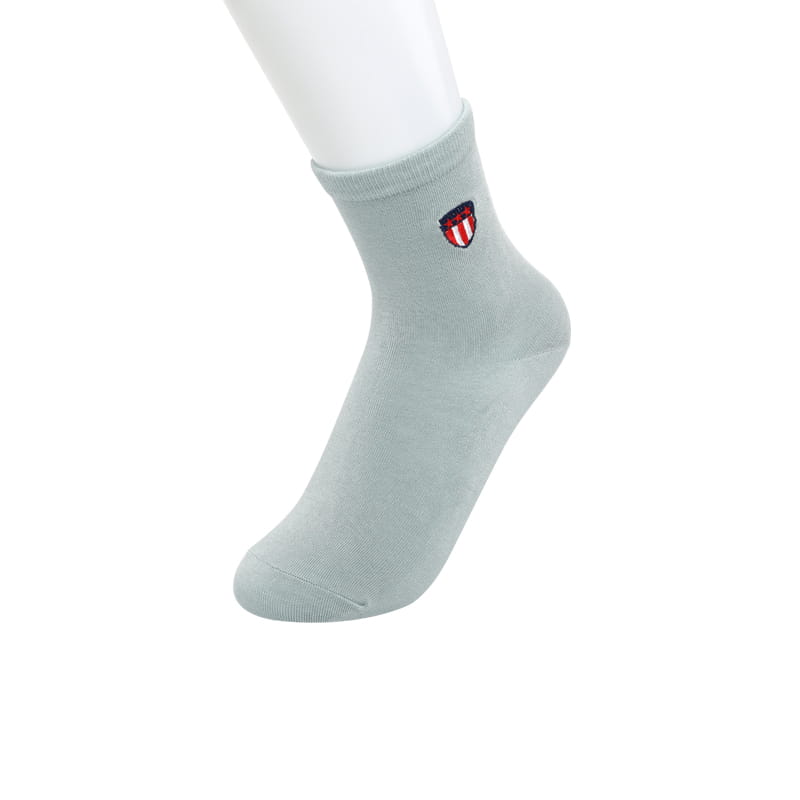
NO. WSD1501 Size EU35-39 Age Adu...
View More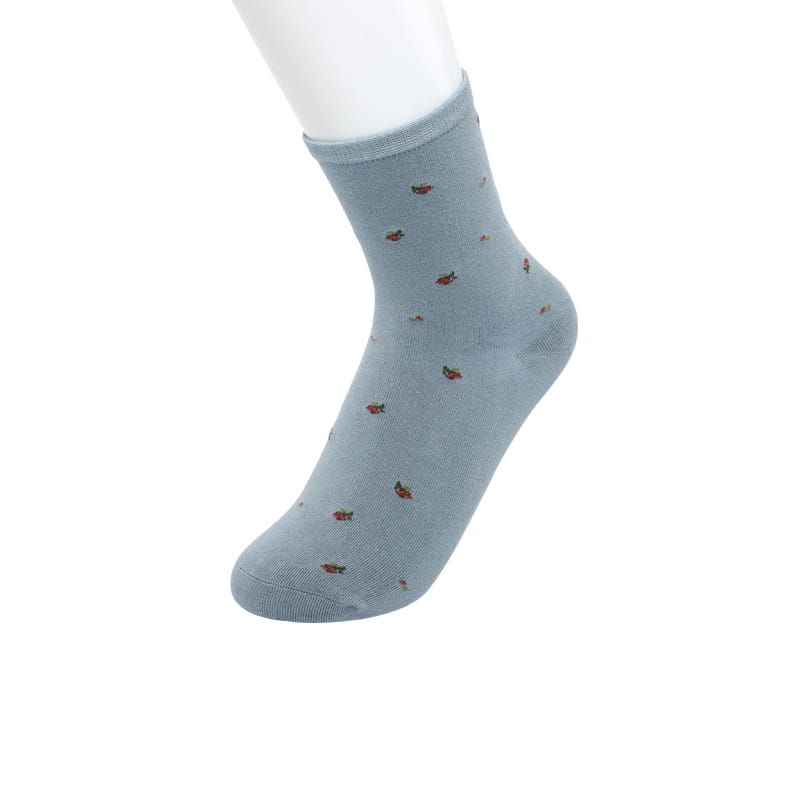
NO. WSD1743 Size EU35-39 Age Adu...
View More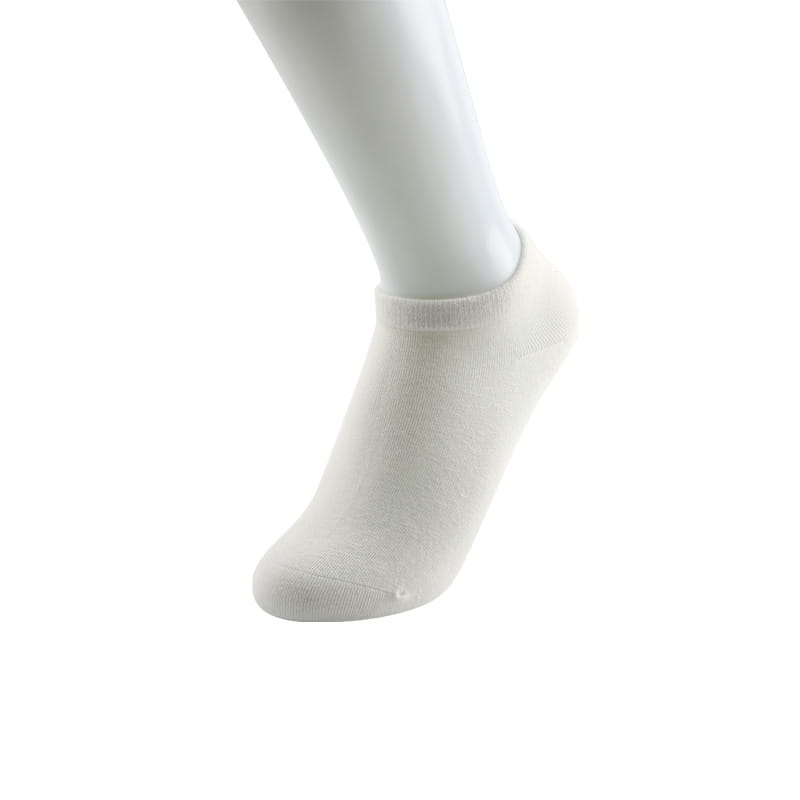
NO. WSD1402 Size EU35-39 Age Adu...
View More
NO. WSD1132 Size EU35-39 Age Adu...
View More
NO. WSD1142 Size EU35-39 Age Adu...
View More

+86-13586371153
+86-0573-87670680
[email protected] [email protected]
8-1 Yongsheng Road, Qianjiang Industrial Park, Dingqiao, Haining, Zhejiang, PRC
Copyright © Haining Wanshida Hosiery Co.,LTDAll Rights Reserved. China Custom Socks Manufacturers