
Content
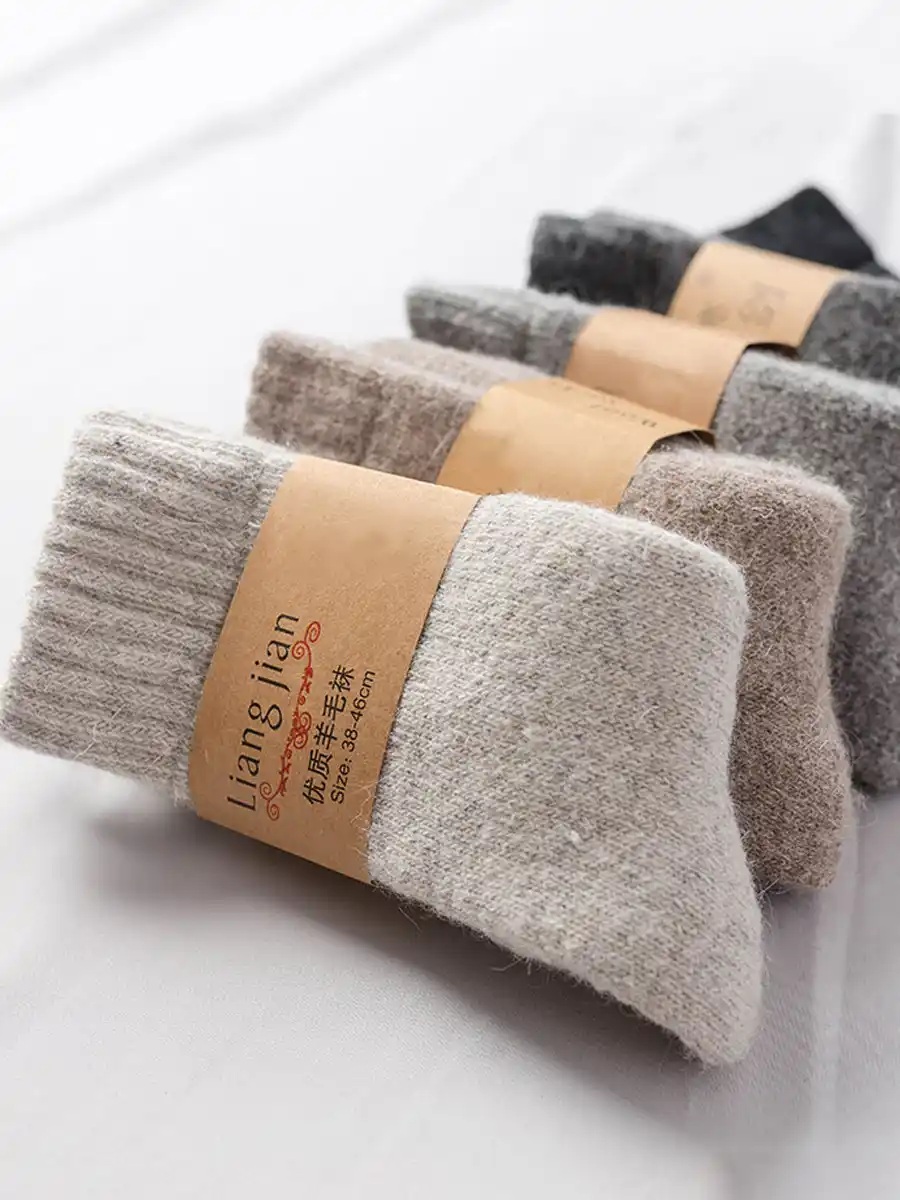
One of winter’s greatest pleasures is slipping cold feet into a thick pair of wool socks.
But for some, that bliss lasts barely three seconds—then the ankles start to itch, as if pricked by countless fine needles. When you take the socks off, faint red marks linger on the skin.
At that point, three thoughts may cross your mind:
Did I buy fake wool?
Is my skin just too sensitive?
Am I simply not meant to wear wool?
Before jumping to conclusions, let’s get to the bottom of this once and for all.
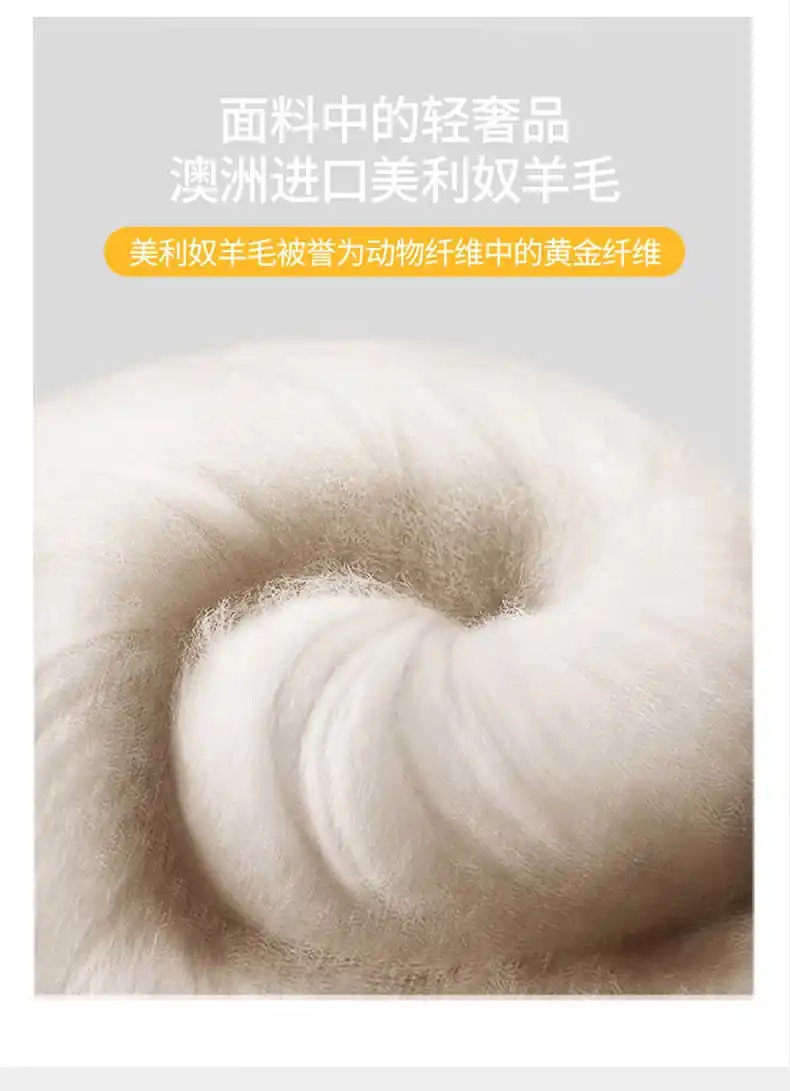
If you’ve ever touched a sheep, you’ll notice something interesting:
Sheep’s wool feels soft.
So why does it turn into a torture device on your feet?
The answer lies under a microscope.
Wool fibers are covered in a scaly structure, like fish scales or pinecone scales. These scales protect the fiber and are also why wool can felt (shrink).
When the wool fiber is fine enough, those scales are tiny and soft—you won’t feel a thing.
When the wool fiber is coarse, those scales are larger, stiffer, and stick out. When they touch your skin, it’s like a “micro-acupuncture” massage.
So it’s not wool that itches—it’s coarse wool.
Premium grade: Merino wool
Merino sheep (mostly raised in Australia and New Zealand) produce fibers as fine as below 17 microns—several times thinner than a human hair (60–80 microns).
Socks made from this wool are as soft as cashmere and perfectly comfortable against bare skin. Of course, the price reflects that: expect to pay at least $15–20 per pair.
Everyday grade: Regular wool
Most wool socks on the market use ordinary sheep’s wool, with fiber thickness between 24–30 microns.
For people with less sensitive skin, this may be barely tolerable. For those with sensitive skin, it’s pure torment.
Bottom grade: Recycled wool / remnants
Even more frustrating: some cheap wool socks use “reclaimed wool”—old sweaters, scraps, and leftovers shredded and respun.
These fibers have been mechanically pulled, chemically treated, broken and damaged, leaving the surface full of burrs. Of course they’ll itch you.
Pull out your wool socks and look at the composition tag:
“30% wool + 70% acrylic”
That combination is almost guaranteed to itch.
Acrylic is a synthetic fiber, much stiffer than wool. In the sock, it acts like tiny plastic bristles, teaming up with the wool to prickle your skin.
Worse, some socks just say “wool” but don’t tell you whether it’s coarse or fine wool. It’s like saying “I’ll treat you to dinner” without mentioning whether it’s a street stall or a Michelin-starred restaurant.
After pointing the finger at the socks, let’s be fair and look at ourselves.
Case A: Dry skin
In fall and winter, humidity drops and your skin loses moisture. Dry skin develops tiny, invisible cracks on its surface, making nerve endings more sensitive. A sock that normally doesn’t itch suddenly does.
Case B: Naturally sensitive
A small number of people are genuinely allergic to residual lanolin in wool, breaking out in rashes and itching. But true allergies are rare. Most people just have a physical intolerance—they can’t stand the prickly sensation.
Case C: Psychological
Here’s an interesting finding: if you’re told beforehand that “wool might itch,” your brain amplifies that sensation. The more you focus on it, the worse it feels.
Believe it or not—
In ancient times, wool socks were originally worn over shoes, or with a thin linen liner sock inside.
Back then, textile technology was limited, wool was generally coarse, and nobody wore it directly against the skin.
Only later, with technological advances, did fine wool socks for bare feet appear. But many traditional wool socks were never meant to be worn without a liner.
So if you bought a pair of rustic, chunky wool socks and they itch, it might not be your fault—they simply weren’t designed for barefoot wear.
If you already own a pair that itch—too wasteful to toss, too uncomfortable to wear—try these:
Method 1: Hair conditioner softening (most effective)
Wool and hair are both proteins; conditioner softens the scales.
Soak socks in lukewarm water with conditioner for 15 minutes. Gently press (don’t rub). Rinse with clean water and lay flat to dry. The itch will noticeably decrease.
Method 2: White vinegar soak
Vinegar neutralizes residual alkaline substances and helps scales lie flat.
Add two tablespoons of white vinegar to a basin of water. Soak for 20 minutes, then rinse. Don’t overdo the vinegar, or the socks will smell.
Method 3: Freezer method
Lightly spray socks with water, seal in a bag, and freeze overnight. As ice crystals form, they can alter the shape of some fibers, helping the raised scales settle down a bit.
Method 4: Liner isolation
The easiest method: wear a thin pair of silk‑cotton liner socks underneath. You keep the warmth, lose the itch. Perfect for lazy days.
Remember five key terms:
Merino
Look for this word. It’s practically synonymous with “fine wool.” If it’s on the tag, you’re mostly safe.
Fine Wool
Some brands label “Fine Wool” or “Extra‑fine Wool,” usually meaning fiber thickness below 19.5 microns.
High yarn count
Socks also have yarn counts. 80s or 100s mean finer yarns and denser knitting, resulting in a smoother surface.
Feel test
If you can buy in person, rub the sock against your cheek or the inside of your wrist. Those areas are the most sensitive—far better than testing with the back of your hand.
Basolan treatment
Some wool undergoes Basolan processing, a special treatment that partially “melts” the scales, making the wool feel as smooth as cotton. Look for this term—itch factor is virtually zero.
Whether wool socks itch depends 90% on which sheep they came from and how they were made, and 10% on your skin’s condition that day.
You’re not being overly sensitive—you just haven’t met the right pair of socks.
After all, wool doesn’t itch the sheep. Why should it itch you?
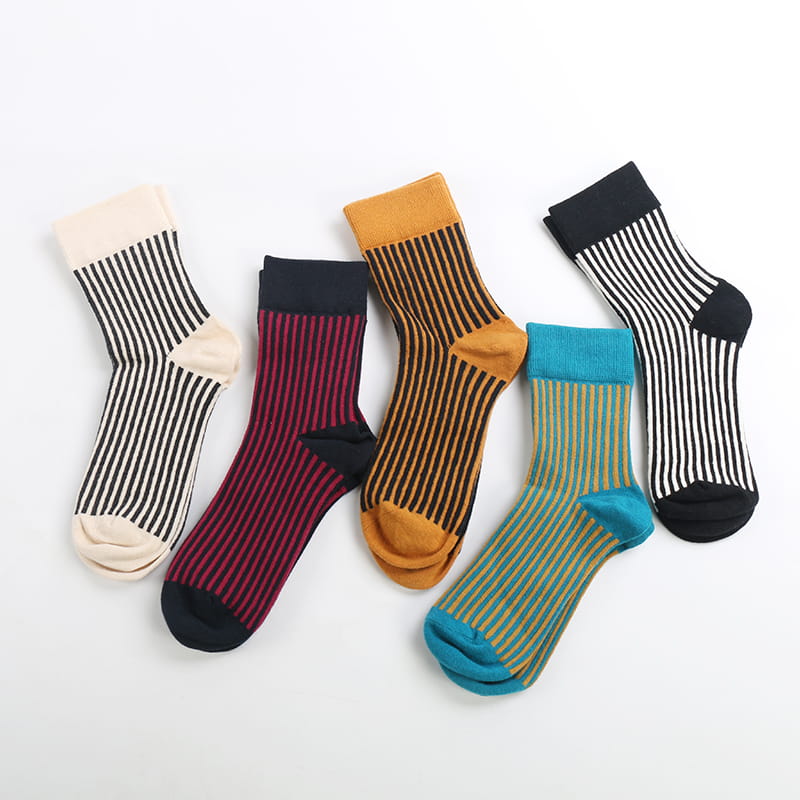
NO. WSD1320 Size EU35-39 Age Adu...
View More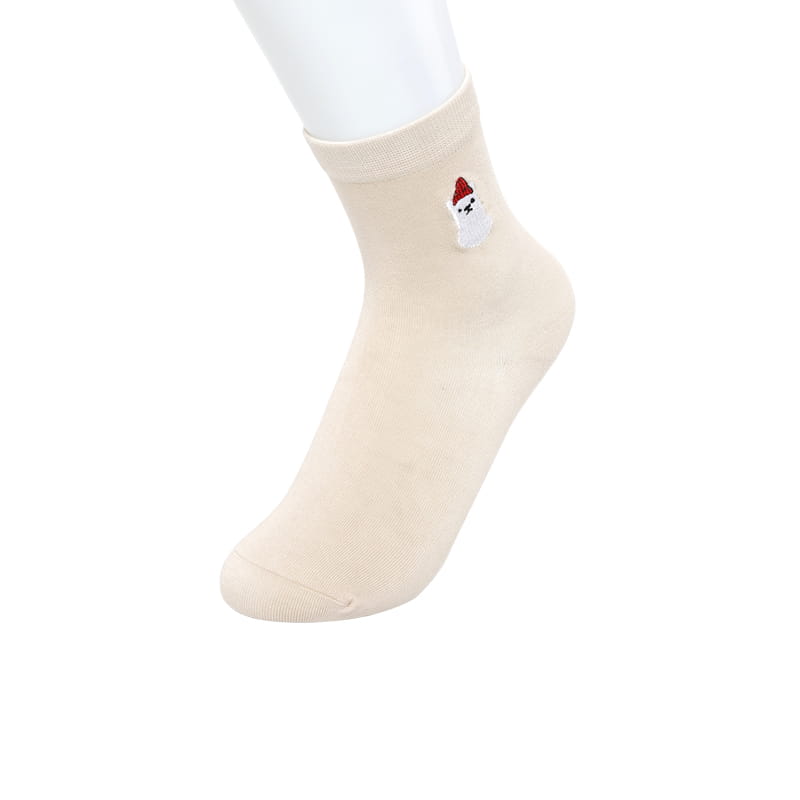
NO. WSD1503 Size EU35-39 Age Adu...
View More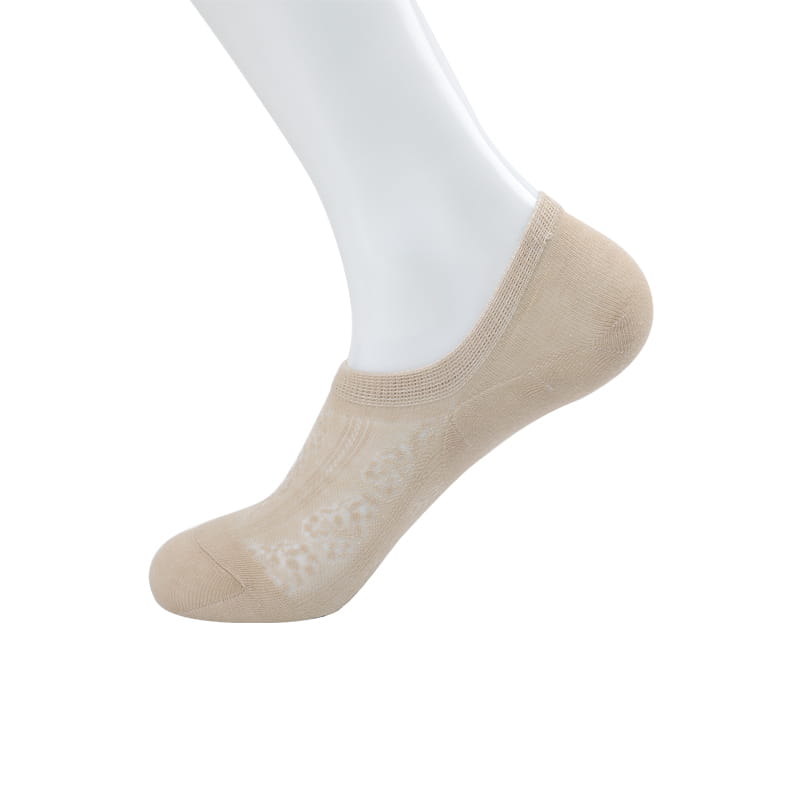
NO. WSD1463 Size EU35-39 Age Adu...
View More
NO. WSD1402 Size EU35-39 Age Adu...
View More

+86-13586371153
+86-0573-87670680
[email protected] [email protected]
8-1 Yongsheng Road, Qianjiang Industrial Park, Dingqiao, Haining, Zhejiang, PRC
Copyright © Haining Wanshida Hosiery Co.,LTDAll Rights Reserved. China Custom Socks Manufacturers