
Content
It's a question many people ask when summer rolls around and the heat makes every extra layer feel unnecessary: do we really need to wear socks with shoes? The short answer is yes — and the reasons go far deeper than tradition or fashion. Socks serve as a critical buffer between your foot and your shoe, providing protection, comfort, and hygiene benefits that become even more important when temperatures rise. Without socks, your feet are exposed to friction, sweat buildup, and bacterial growth that can lead to everything from painful blisters to persistent foot odor and fungal infections. Understanding why socks matter helps you make smarter choices, especially when choosing socks for warm weather.
Your feet contain around 250,000 sweat glands — more per square inch than nearly any other part of the body. On an average day, your feet can produce up to half a pint of sweat. In warm weather, this figure climbs significantly. When that moisture has nowhere to go, it becomes a breeding ground for bacteria and fungi, both of which thrive in dark, moist, warm environments — precisely the conditions inside a shoe worn without socks.
Wearing socks, particularly those made from moisture-wicking materials, helps draw sweat away from the skin and allows it to evaporate. This keeps the foot drier, cooler, and less hospitable to odor-causing microbes. Socks essentially act as a moisture management system, which is why skipping them in summer can actually make your feet feel hotter and more uncomfortable, not less.
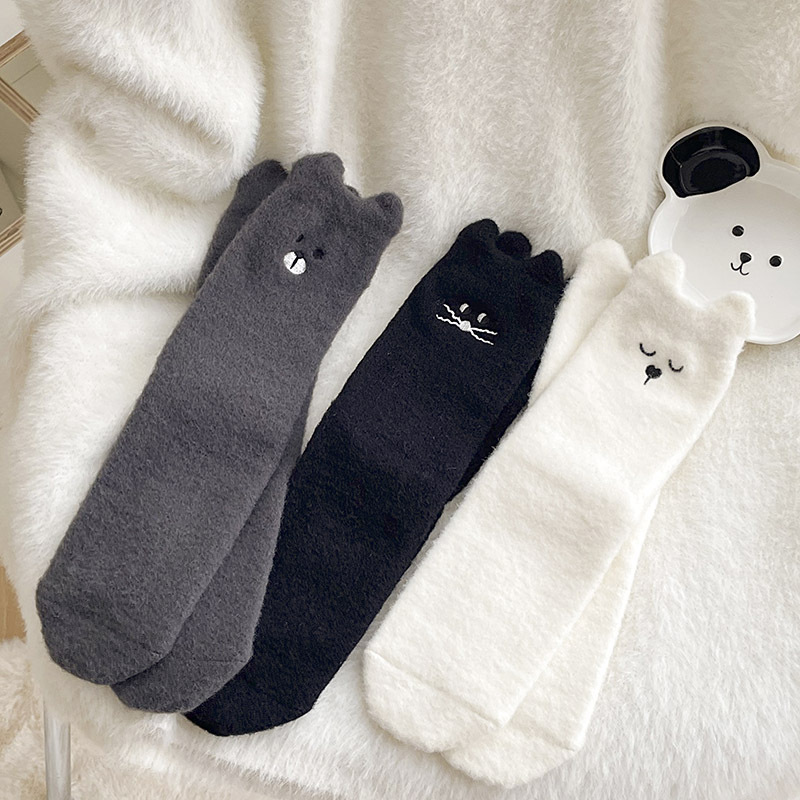
Blisters form when repeated friction causes the outer layers of skin to separate and fill with fluid. They are painful, slow to heal, and can become infected if not treated properly. The number one cause of foot blisters is wearing shoes without socks. Even soft, well-fitted shoes can rub against bare skin in ways that cause irritation after just a few minutes of walking.
A thin layer of sock fabric dramatically reduces the friction between your shoe's interior lining and your skin. This is especially important during warm months when feet tend to swell slightly due to heat, causing shoes to fit more snugly. If you're on your feet for long periods — commuting, hiking, traveling, or working — going sockless significantly increases your blister risk. Even no-show or invisible socks provide the protective layer your feet need.
Not all socks are created equal, and choosing the right pair for warm weather makes a significant difference in comfort. Heavy, thick wool socks designed for winter will make your feet feel suffocated in the heat. The best socks for warm weather prioritize breathability, moisture control, lightweight construction, and antimicrobial properties.
| Fabric | Benefits | Best For |
| Merino Wool | Natural moisture-wicking, odor-resistant, temperature-regulating | Hiking, travel, all-day wear |
| Bamboo | Soft, breathable, naturally antimicrobial | Casual daily wear, sensitive skin |
| CoolMax / Polyester Blend | High-performance wicking, fast-drying | Running, sports, high-activity days |
| Cotton Blend | Soft, comfortable, widely available | Light activity, indoor environments |
Pure cotton, while comfortable initially, tends to retain moisture rather than wick it away, so it isn't the top choice for high-heat or high-activity situations. Cotton blends that include synthetic fibers perform better.
One of the most common reasons people skip socks in summer is aesthetic — they don't want visible socks peeking out of their sneakers or loafers. Fortunately, the modern sock market offers a wide range of styles designed specifically for warm-weather shoe pairings that stay hidden or minimal while still providing full foot protection.
These socks sit below the ankle line and are completely hidden when worn with low-cut shoes or sneakers. They are the most popular choice for warm weather because they give the appearance of going sockless while still protecting the foot from friction and absorbing sweat. Look for pairs with a silicone heel grip to prevent slipping inside the shoe — a common complaint with cheaply made no-show styles.
Ankle socks are a classic warm-weather option that pairs well with athletic shoes, canvas sneakers, and casual footwear. They provide more coverage than no-show socks and often include additional cushioning at the heel and ball of the foot, making them ideal for walking or light exercise in the heat.
Ultra-thin liner socks are designed to be nearly imperceptible inside the shoe. They work especially well with dress shoes and loafers, preventing the leather lining from rubbing directly against the skin. These are the go-to solution for professional settings where visible socks feel too casual but bare feet cause discomfort and odor buildup in leather footwear.
Skipping socks might feel freeing in the moment, but the long-term consequences for both your feet and your shoes are considerable. Here's what regularly going sockless can lead to:
Wearing the right socks is only one piece of the puzzle. To maximize comfort during warm months, consider these additional strategies that work alongside your sock choice:
The belief that socks are only for cold weather is one of the most persistent footwear myths. In reality, warm weather makes proper sock selection more important, not less. The combination of increased sweating, heat-related foot swelling, and higher activity levels during summer months creates conditions where going sockless causes the most harm. The key is simply choosing the right type of sock — lightweight, breathable, moisture-wicking styles that protect your feet without adding unnecessary warmth.
Whether you opt for invisible no-show socks with your sneakers, thin liner socks with your loafers, or bamboo ankle socks for a day of walking, the right pair will keep your feet healthier, your shoes fresher, and your overall comfort significantly higher throughout the warmest months of the year. Don't let the heat convince you to skip this simple but essential layer of protection — your feet will thank you for it.
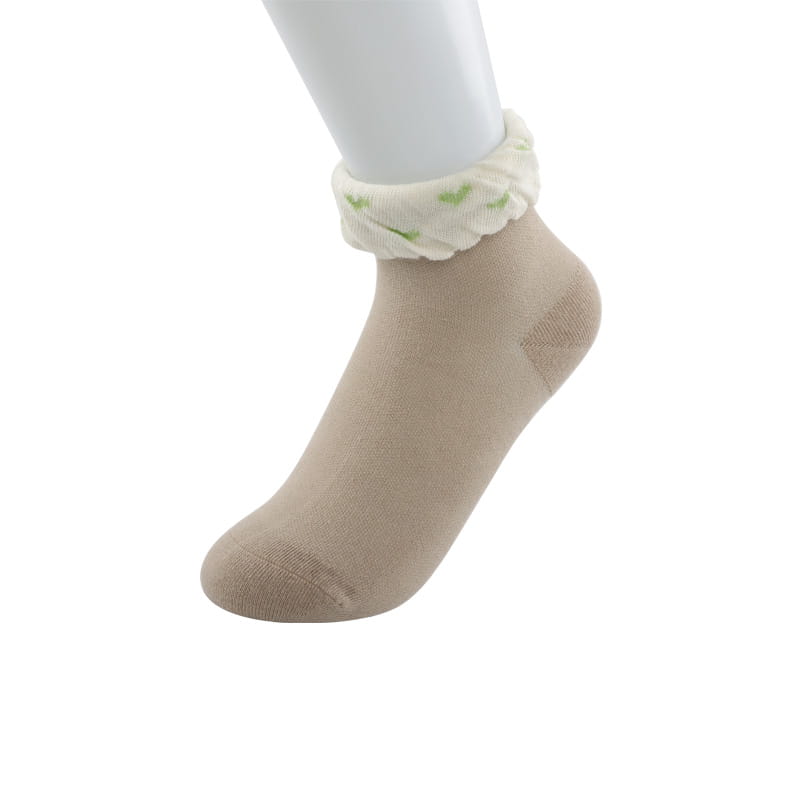
NO. WSD1072 Size EU35-39 Age Adu...
View More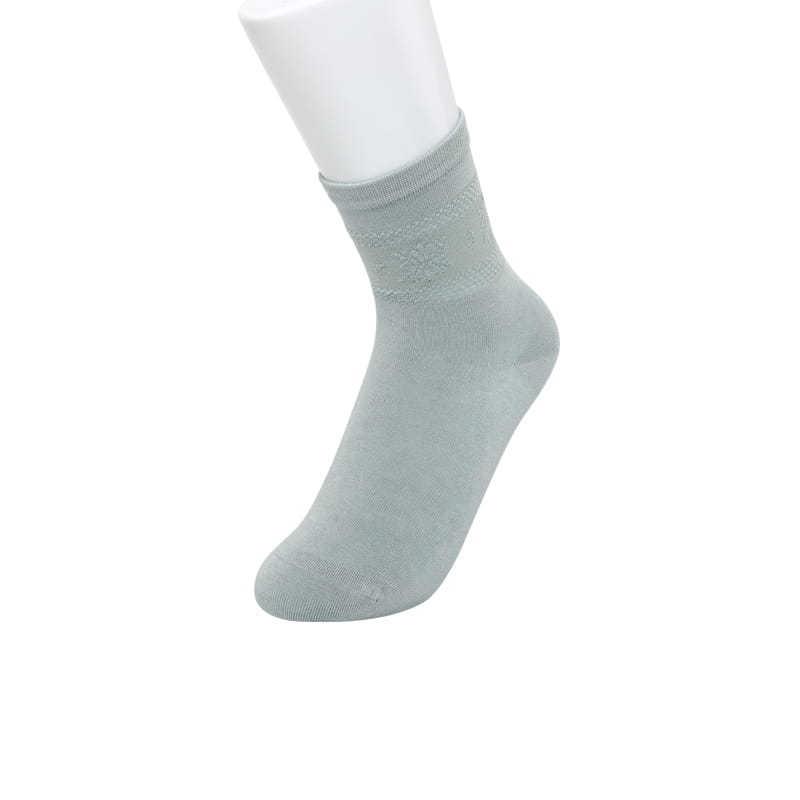
NO. WSD1523 Size EU35-39 Age Adu...
View More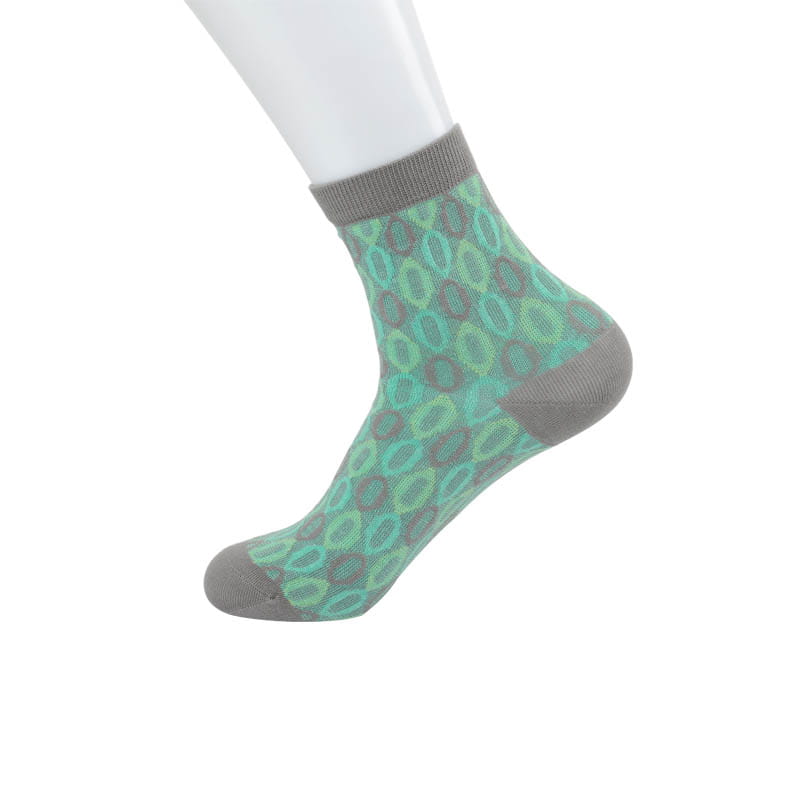
NO. WSD1143 Size EU35-39 Age Adu...
View More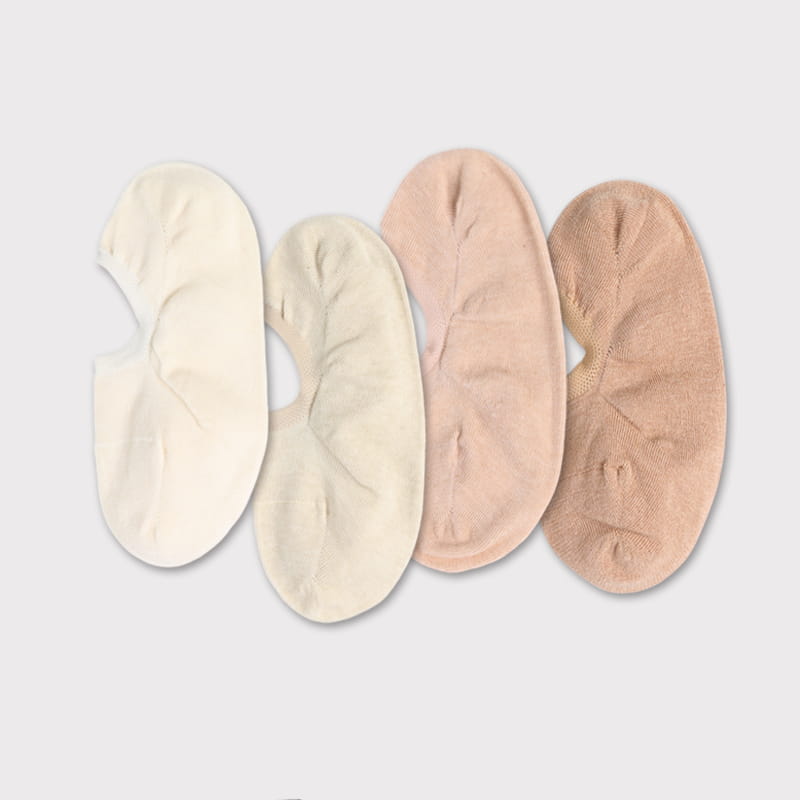
NO. WSD1402 Size EU35-39 Age Adu...
View More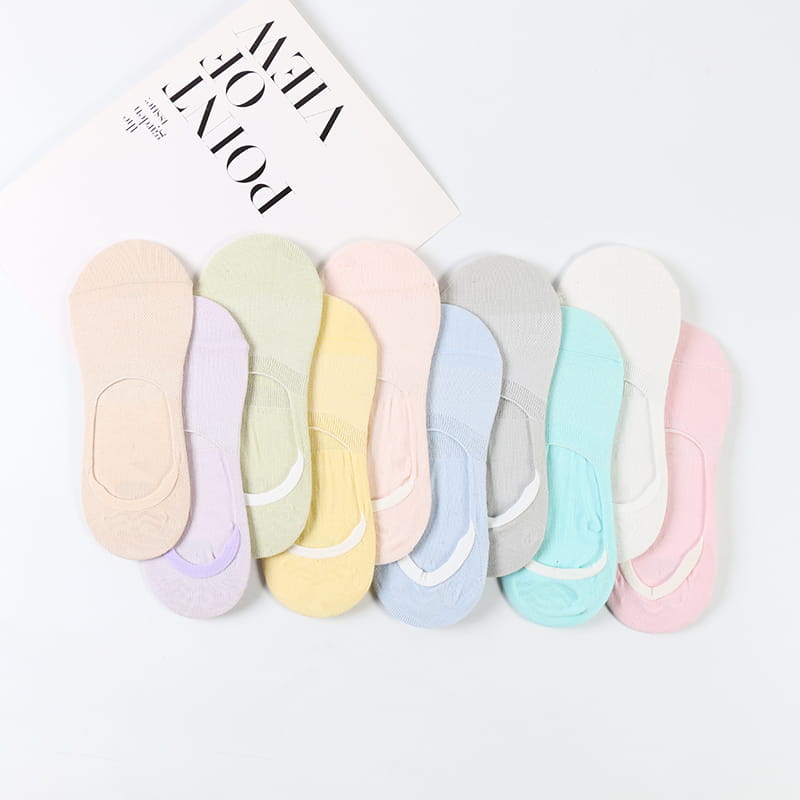
NO. WSD1256 Size EU35-39 Age Adu...
View More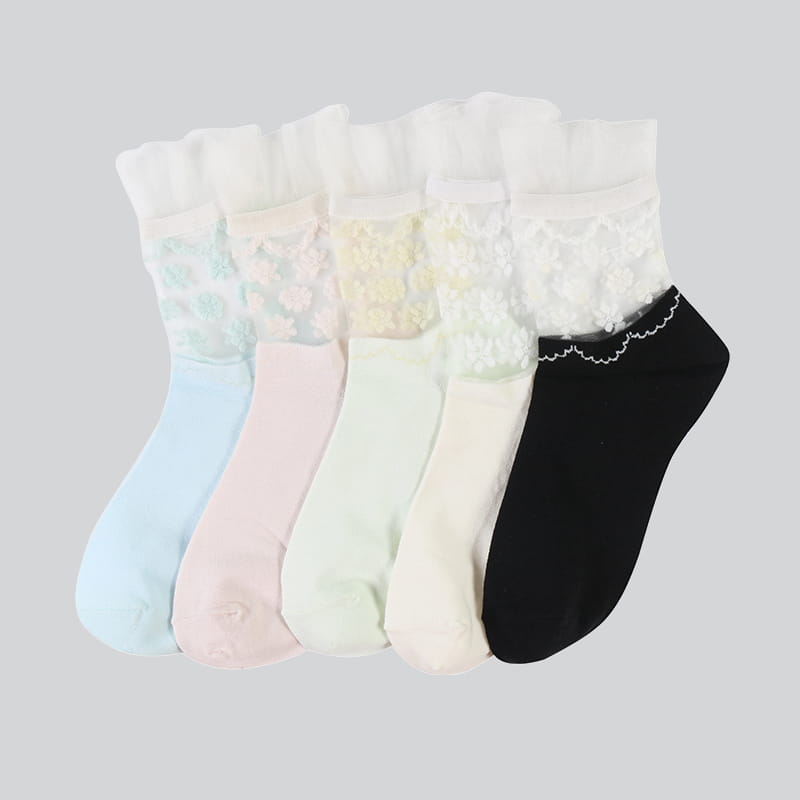
NO. WSD1142 Size EU35-39 Age Adu...
View More

+86-13586371153
+86-0573-87670680
[email protected] [email protected]
8-1 Yongsheng Road, Qianjiang Industrial Park, Dingqiao, Haining, Zhejiang, PRC
Copyright © Haining Wanshida Hosiery Co.,LTDAll Rights Reserved. China Custom Socks Manufacturers