
Content
Socks are often the last thing people think about when building a wardrobe, yet they play a surprisingly large role in daily comfort, foot health, and even outfit style. The right pair of socks can prevent blisters during a long walk, keep feet warm through winter, wick away sweat during a workout, or simply complete a polished look under a pair of trousers. On the other hand, the wrong choice can lead to chafing, odor, overheating, or a bulky fit inside shoes that were otherwise comfortable. Because women's feet, footwear styles, and lifestyle needs vary so widely, there is no single "best" sock. Instead, understanding the different types, materials, and fit considerations allows anyone to build a small but versatile sock collection that actually serves its purpose. This guide breaks down the practical details so you can shop with confidence rather than guesswork.
Socks are typically categorized by length and by function. Length affects how the sock interacts with different shoe styles, while function determines the thickness, cushioning, and special features built into the sock. Below is a breakdown of the most common categories found in stores today.
| Type | Typical Length | Best Use |
| No-show / Liner socks | Below the ankle bone | Sneakers, flats, loafers worn without visible sock lines |
| Ankle socks | At or just above the ankle | Casual sneakers, athletic shoes |
| Crew socks | Mid-calf | Everyday wear, light exercise, cooler weather |
| Knee-high socks | Below the knee | Boots, layered fashion looks, cold-weather protection |
| Compression socks | Knee-high or thigh-high | Long flights, standing jobs, circulation support |
| Thermal / winter socks | Crew or knee-high | Hiking, snow activities, extreme cold |
These socks are designed to disappear inside the shoe, making them a staple for anyone who wears sneakers, ballet flats, or boat shoes without wanting visible fabric. Many modern versions include a silicone grip strip at the heel to prevent slipping down inside the shoe throughout the day, which was a common complaint with older, looser designs.
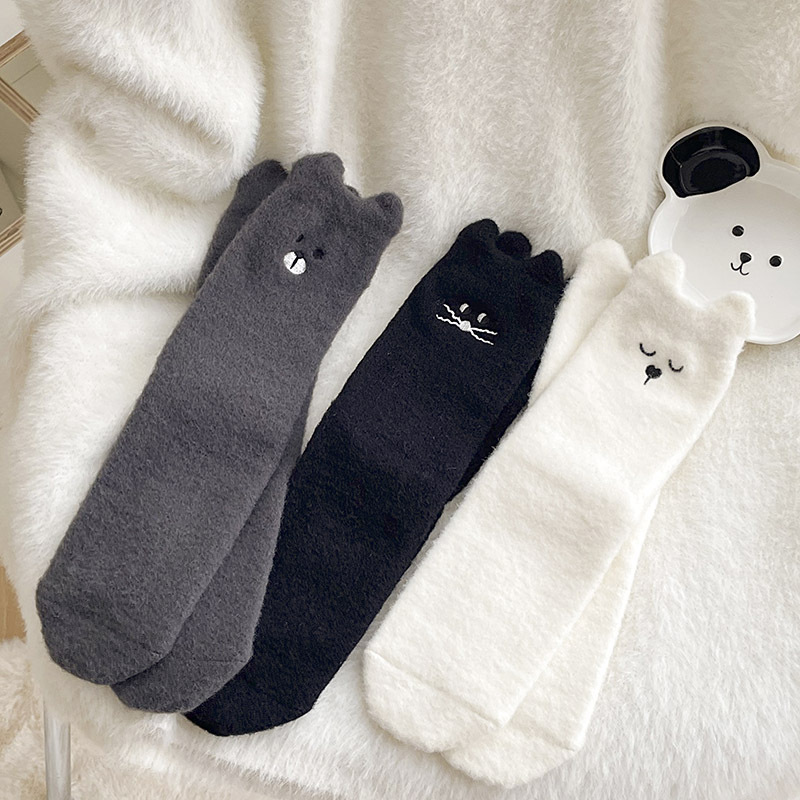
Crew socks remain the most versatile option for daily wear, pairing well with sneakers, joggers, and casual outfits. Knee-high socks have also grown popular again in fashion circles, often worn intentionally visible with skirts, dresses, or over leggings during colder months. Functionally, the added length also provides extra warmth and can reduce boot-related friction.
Originally developed for medical use, compression socks are now widely used by travelers, nurses, teachers, and anyone who spends long hours on their feet. They apply graduated pressure that is tightest at the ankle and gradually loosens toward the calf, which helps encourage blood flow back toward the heart and can reduce swelling and fatigue.
The fiber content of a sock determines how it feels, how it performs under sweat or moisture, how long it lasts, and how it should be cared for. Most socks are blends rather than a single material, combining the strengths of two or more fibers.
| Material | Key Benefit | Consideration |
| Cotton | Soft, breathable, affordable | Retains moisture, can feel damp during heavy sweating |
| Merino wool | Warm yet breathable, naturally odor-resistant | Higher price, needs gentle washing |
| Nylon | Adds durability and shape retention | Usually blended rather than used alone |
| Spandex/Elastane | Provides stretch and snug fit | Loses elasticity over time with heavy use |
| Bamboo viscose | Soft feel, moisture-wicking, eco-friendly appeal | Less durable than synthetic blends |
| Polyester/Acrylic | Fast drying, budget-friendly | Less breathable than natural fibers |
Natural fibers such as cotton and wool tend to feel softer against the skin and are generally more breathable, making them a comfortable everyday choice. Synthetic fibers like nylon and spandex are rarely used alone but are blended in to improve elasticity, shape retention, and durability, especially around the heel and toe where socks wear out fastest. A sock labeled "80% cotton, 15% nylon, 5% spandex" is a common and reliable combination that balances softness with longevity.
For those prone to sweaty feet, a moisture-wicking blend involving merino wool or bamboo viscose is usually more effective than pure cotton, since cotton absorbs sweat rather than moving it away from the skin. For cold climates, wool remains the gold standard because it retains warmth even when slightly damp, unlike cotton which loses insulating power once wet.
Matching the sock to the activity is one of the most overlooked steps in building a functional wardrobe. A sock that works well for a formal office setting may fail entirely during a five-mile run.
Lightweight cotton-blend crew or no-show socks in neutral tones work well here. Look for a reinforced toe and heel, which typically indicates the manufacturer expected the sock to handle repeated daily wear inside structured shoes like flats or loafers.
Athletic socks should prioritize moisture-wicking synthetic or wool blends, arch support bands, and cushioned soles. Running-specific socks often include left/right foot shaping and seamless toe construction to reduce blister risk during repetitive motion.
Thicker wool or thermal blends in knee-high or crew lengths provide the insulation needed for boots. A slightly looser fit at the top prevents circulation restriction, which matters when boots are already snug around the ankle.
Compression socks in the 15-20 mmHg range are generally suitable for everyday travel and standing use, while higher compression levels are typically reserved for medical recommendations from a doctor.
Sock sizing can be confusing because it often differs from shoe sizing systems and varies between brands. Most women's socks are sold in a range rather than an exact size, since the fabric stretches to accommodate different foot shapes.
| US Shoe Size | Common Sock Size Label |
| 5 - 7 | Small / 9-11 |
| 7.5 - 9.5 | Medium / 9-11 |
| 10 - 12 | Large / 10-13 |
Beyond the size label, fit quality also depends on the cuff and the toe seam. A cuff that leaves deep, lasting indentation marks on the skin is likely too tight and may restrict circulation over time. A loose cuff, on the other hand, tends to slide down inside the shoe throughout the day. The toe seam should sit flat against the skin; a bulky or misaligned seam is a common cause of blisters, particularly in athletic or closed-toe shoes.
Even high-quality socks wear out faster than expected if they are not cared for properly. Simple habits can noticeably extend how long a favorite pair lasts.
Many sock-related discomforts come down to a small number of repeated purchasing mistakes. Being aware of these can save both money and foot discomfort.
Building a well-rounded sock drawer does not require an oversized wardrobe. A small, intentional collection covering everyday wear, exercise, cold weather, and travel needs is usually enough to handle almost any situation comfortably. By paying attention to length, material, and fit rather than appearance alone, it becomes much easier to avoid common discomforts like blisters, sweat buildup, or sagging cuffs, while also getting more wear out of every pair purchased.
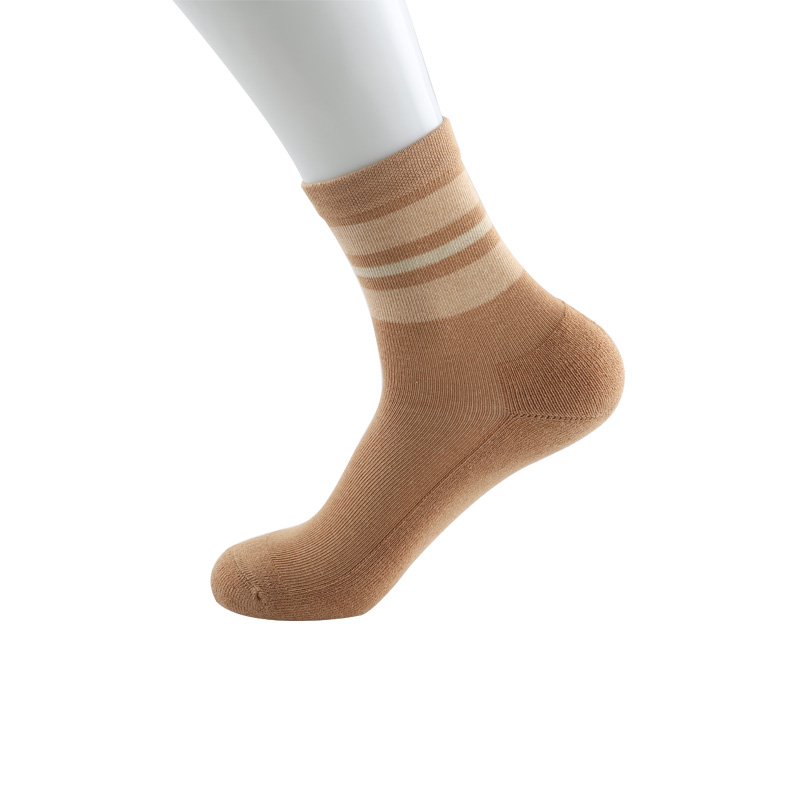
NO. WSD1042 Size EU35-39 Age Adu...
View More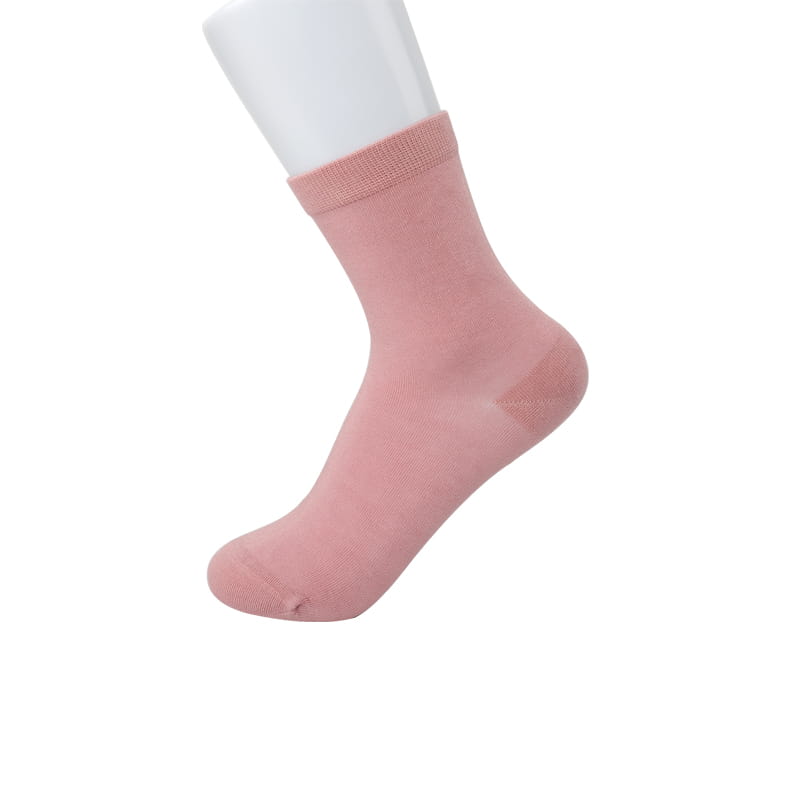
NO. WSD1306 Size EU35-39 Age Adu...
View More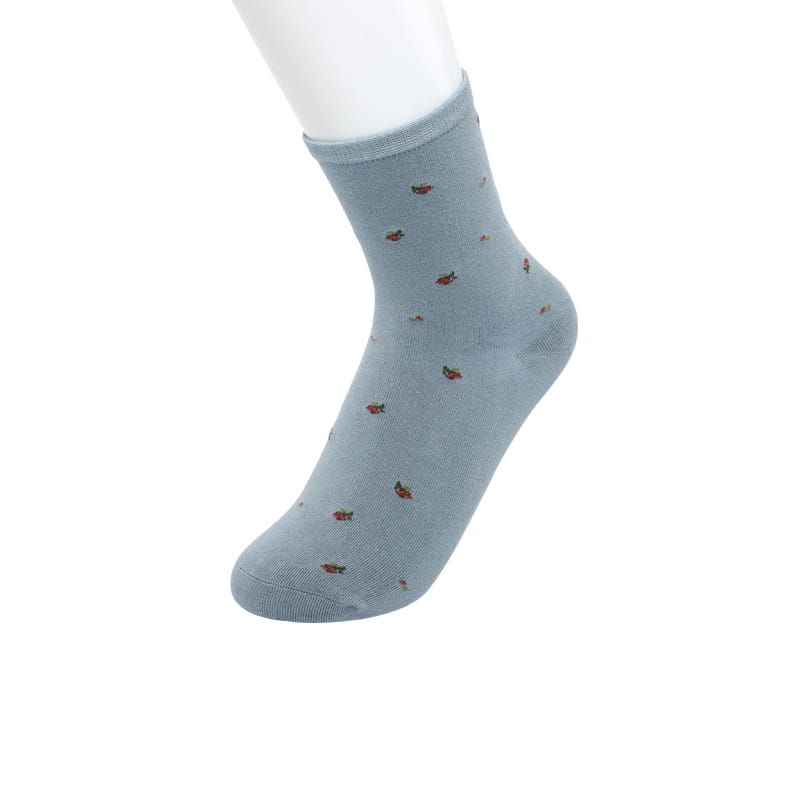
NO. WSD1743 Size EU35-39 Age Adu...
View More
NO. WSD1143 Size EU35-39 Age Adu...
View More
NO. WSD1502 Size EU35-39 Age Adu...
View More
NO. WSD1113 Size EU35-39 Age Adu...
View More

+86-13586371153
+86-0573-87670680
[email protected] [email protected]
8-1 Yongsheng Road, Qianjiang Industrial Park, Dingqiao, Haining, Zhejiang, PRC
Copyright © Haining Wanshida Hosiery Co.,LTDAll Rights Reserved. China Custom Socks Manufacturers