
Content
Most people grab socks without a second thought, tossing whatever's available into the drawer. But for women, socks are far more than a functional afterthought — they influence comfort throughout the day, affect foot health, complement outfits, and even impact athletic performance. Whether you're logging miles on a treadmill, sitting at a desk for eight hours, or stepping out in heels, the right pair of socks makes a measurable difference. This guide dives deep into everything you need to know about women's socks, from materials and fit to occasion-based selection and care tips.
The material of a sock determines how it feels, breathes, and holds up over time. Not all fabrics are created equal, and knowing the difference helps you make smarter purchases.
Cotton is the most common sock material and for good reason — it's soft, affordable, and widely available. However, cotton absorbs moisture and holds onto it, which can leave feet feeling damp during physical activity. For everyday, low-intensity wear, cotton socks are a perfectly reliable choice.
Merino wool is a premium natural fiber that excels at temperature regulation. It keeps feet warm in cold conditions and cool in warm ones, while also wicking moisture away efficiently. It's naturally odor-resistant, making it an excellent option for travel or extended wear. Merino wool socks tend to cost more, but they're worth the investment for frequent use.
Synthetic materials are often blended with natural fibers to improve stretch, durability, and moisture-wicking properties. Nylon adds strength and helps socks maintain their shape. Polyester dries quickly and resists shrinking. Spandex provides the elasticity that keeps socks snug around the arch and ankle. Most athletic socks use a synthetic blend for these exact reasons.
Bamboo-derived fibers are gaining popularity for their softness, antibacterial properties, and eco-friendliness. Bamboo socks are hypoallergenic, which makes them ideal for women with sensitive skin or conditions like eczema. They also have natural moisture-wicking abilities and tend to feel exceptionally smooth against the skin.
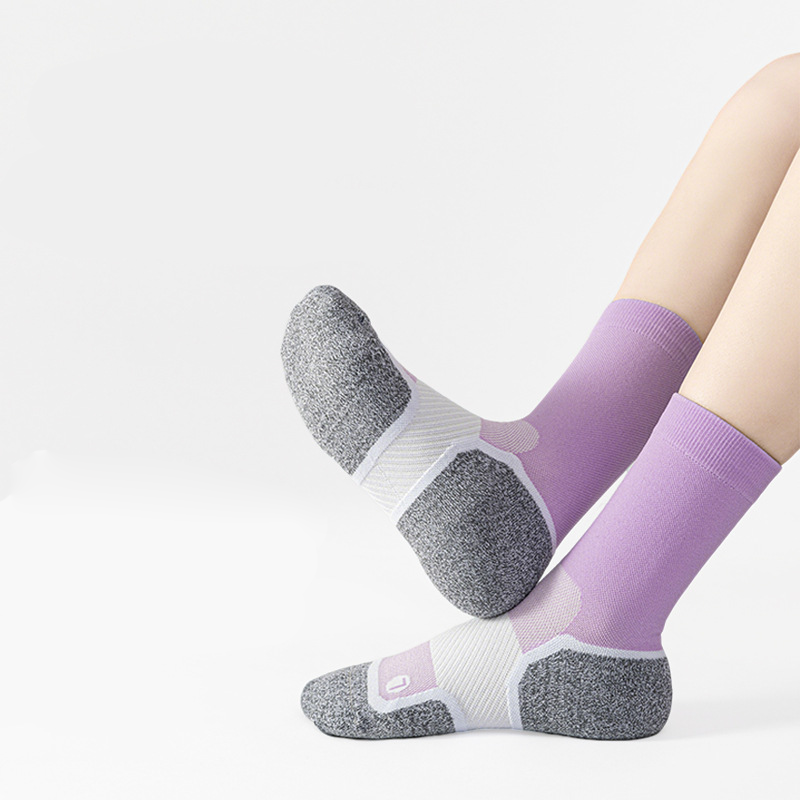
The cut of a sock determines how it interacts with your footwear and how much coverage it provides. Here's a breakdown of the most common styles:
| Sock Type | Height | Best For |
| No-Show / Invisible | Below the ankle | Flats, loafers, low-cut sneakers |
| Ankle Socks | Just above the ankle | Casual wear, light exercise |
| Quarter Socks | Slightly above the ankle | Running, gym workouts |
| Crew Socks | Mid-calf | Everyday wear, fashion, hiking |
| Knee-High Socks | Below the knee | Boots, school uniforms, fashion |
| Thigh-High Socks | Above the knee | Fashion, warmth, statement looks |
| Compression Socks | Varies (ankle to knee) | Travel, long hours standing, recovery |
Choosing the right cut isn't just about aesthetics — it's about compatibility with your shoes and activities. Wearing a crew sock with a low-cut sneaker, for example, creates friction and discomfort that builds up over the course of a day.
There's no single best sock for every situation. Matching your socks to the activity at hand ensures maximum performance and comfort.
For office settings or casual outings, prioritize comfort and fit. A mid-weight cotton or bamboo ankle or crew sock works well. Look for reinforced heels and toes to extend longevity, and make sure the elastic band isn't too tight — cutting circulation throughout the day leads to swollen, tired feet by evening.
Athletic socks need to prioritize moisture management, cushioning, and blister prevention. Look for:
Hiking demands durability and protection. Merino wool or wool-blend crew or knee-high socks are ideal because they regulate temperature across varying conditions, resist odors over multi-day trips, and provide enough cushioning to handle uneven terrain. Avoid thin socks with hiking boots — the friction increases the chance of blisters significantly.
Compression socks are a traveler's best friend. During long flights or car rides, blood tends to pool in the lower legs, causing swelling and discomfort. Compression socks apply graduated pressure — tighter at the ankle and gradually looser up the leg — which helps maintain healthy circulation. Most women's compression socks now come in fashionable designs, making them just as suitable for day-to-day wear.
Socks have evolved from background basics into bold accessories. The "visible sock" trend — intentionally showing off your socks as part of an outfit — has taken hold in streetwear, casual fashion, and even workwear. Here's how to style socks with intention:
Color coordination is key. Matching your socks to a detail in your outfit — a bag, a scarf, or even a print in your blouse — creates a cohesive, intentional look rather than an accidental one.
Ill-fitting socks cause more problems than most people realize — from bunching inside shoes to cutting off circulation at the ankle. Here's how to get sizing right:
Quality socks are an investment, and proper care extends their lifespan considerably. A few straightforward habits make a significant difference:
Rather than accumulating a random pile of mismatched socks, building a curated collection ensures you always have the right pair ready. A well-rounded women's sock wardrobe includes:
With this foundation, you'll never be caught reaching for a worn-out pair or mismatched set. Every occasion — from the gym to the office to a weekend hike — is covered, and your feet will thank you for it every single day.
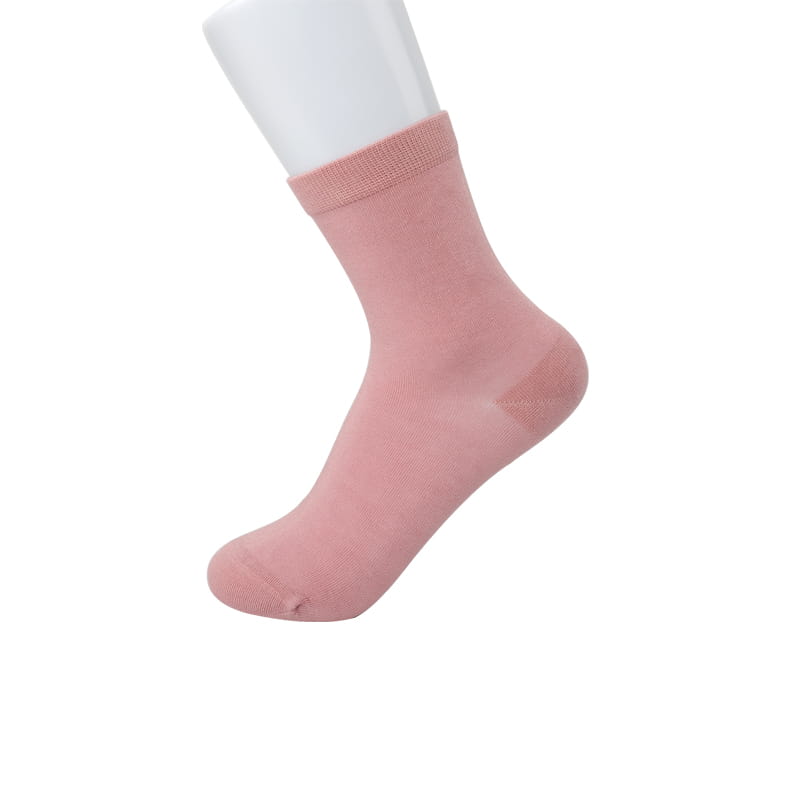
NO. WSD1306 Size EU35-39 Age Adu...
View More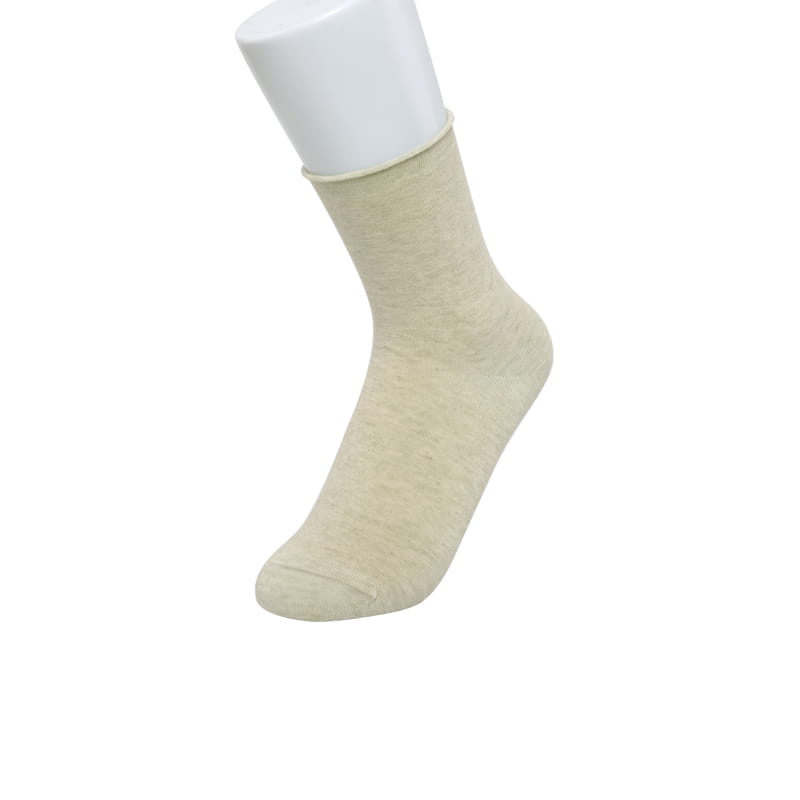
NO. WSD1419 Size EU35-39 Age Adu...
View More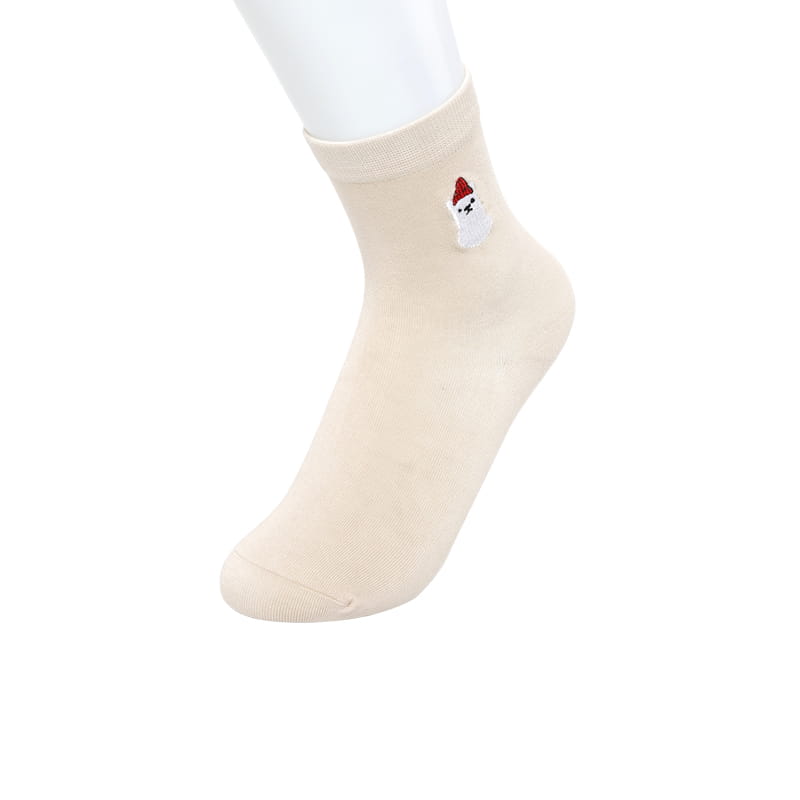
NO. WSD1503 Size EU35-39 Age Adu...
View More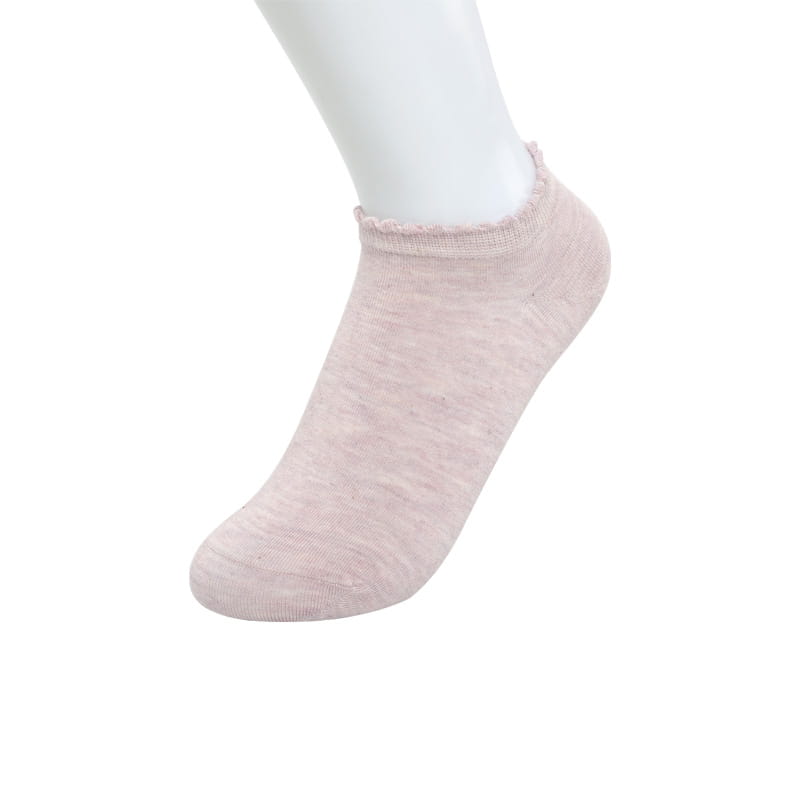
NO. WSD1290 Size EU35-39 Age Adu...
View More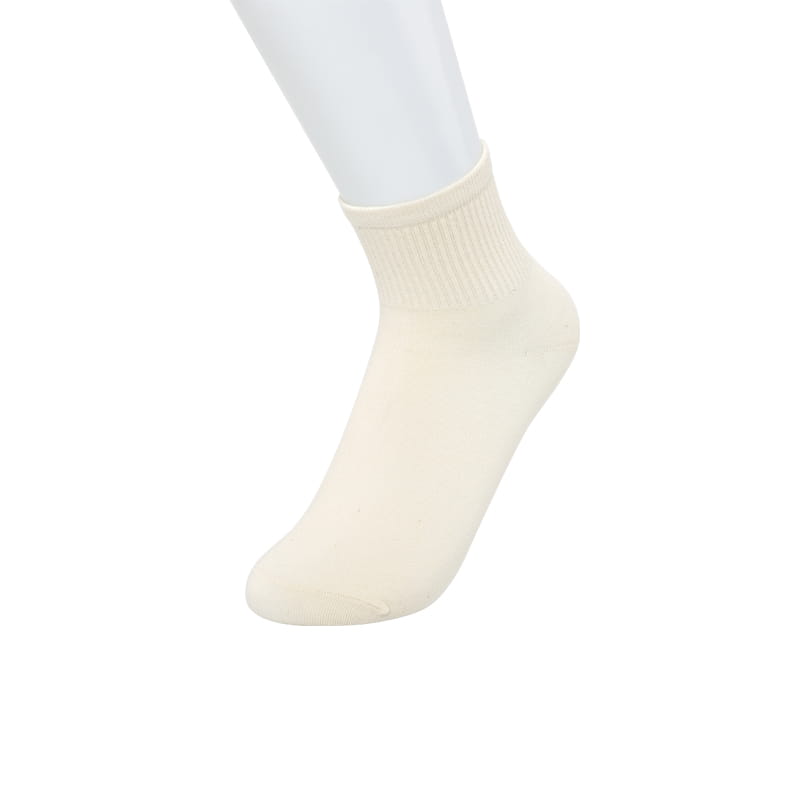
NO. WSD1409 Size EU35-39 Age Adu...
View More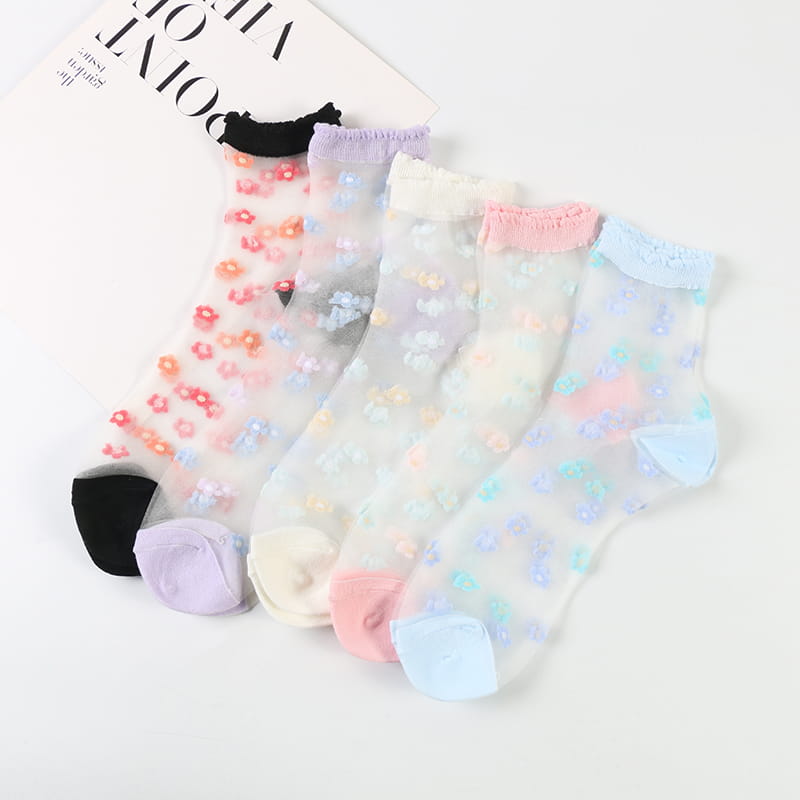
NO. WSD1133 Size EU35-39 Age Adu...
View More

+86-13586371153
+86-0573-87670680
[email protected] [email protected]
8-1 Yongsheng Road, Qianjiang Industrial Park, Dingqiao, Haining, Zhejiang, PRC
Copyright © Haining Wanshida Hosiery Co.,LTDAll Rights Reserved. China Custom Socks Manufacturers