
Content
Thick women’s socks are designed primarily for warmth, cushioning, and protection in colder conditions or high-impact daily activities. Unlike standard thin socks, they use heavier yarns, denser knitting structures, or layered constructions to trap heat and reduce friction inside footwear. Their purpose goes beyond simply keeping feet warm; they also improve comfort, reduce fatigue, and protect the skin from blisters or pressure points. For women who spend long hours outdoors, commute in winter climates, or seek cozy indoor wear, thick socks are a functional essential rather than a seasonal luxury.
Material selection plays a critical role in how thick women’s socks perform. The right fiber combination determines insulation, breathability, durability, and moisture control. Natural and synthetic fibers are often blended to balance comfort and longevity.
Wool is widely regarded as one of the best materials for thick socks due to its natural insulation and moisture-wicking properties. Merino wool, in particular, offers softness without itchiness, making it suitable for sensitive skin. Wool fibers retain heat even when damp, which is essential for winter or outdoor use.
Cotton provides softness and breathability, making it ideal for casual or indoor thick socks. However, pure cotton absorbs moisture and dries slowly, so it is often blended with polyester or elastane to improve shape retention and drying speed.
Polyester, acrylic, and nylon are commonly added to thick women’s socks to enhance durability and elasticity. Acrylic mimics wool’s warmth at a lower cost, while nylon reinforces high-wear areas such as heels and toes.
Not all thick socks offer the same level of cushioning. Thickness can range from moderately padded everyday socks to heavily cushioned winter or hiking styles. Understanding these differences helps users select socks that match their footwear and activity level.
Thermal performance depends on both material and knitting density. Thick women’s socks often use looped or terry knit interiors to create air pockets that trap body heat. This design is especially effective in cold environments. For extreme cold, socks with higher wool content or thermal-rated fibers provide consistent insulation without excessive bulk.
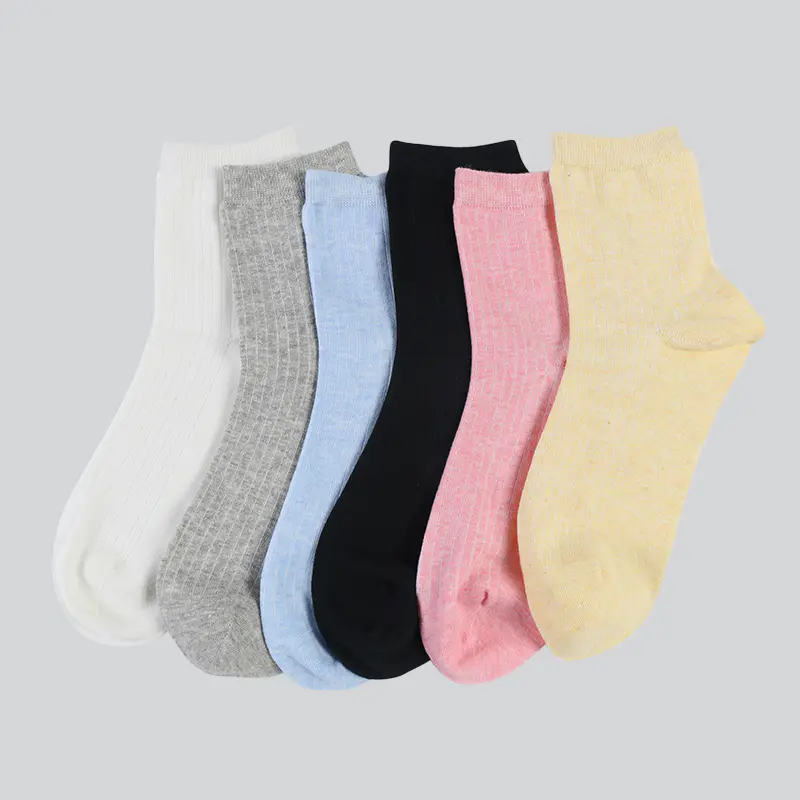
Proper fit is crucial for thick socks, as excess bulk can cause discomfort if the sock is too tight or too loose. Elastic cuffs help keep socks in place without restricting circulation. Stretch fibers ensure the sock adapts to foot shape while maintaining structure after repeated wear.
Well-designed thick socks distribute pressure evenly across the foot, preventing hot spots and slippage. Reinforced arches and contoured heels enhance stability, especially when worn with boots.
Thick women’s socks are versatile and suitable for various environments. Their functionality changes depending on design and material composition.
Choosing thick socks should align with footwear type. Wearing overly thick socks with tight shoes can cause discomfort, while thin socks may not provide enough warmth in winter boots.
| Footwear Type | Recommended Sock Thickness | Primary Benefit |
| Winter Boots | Heavy | Maximum warmth and cushioning |
| Casual Sneakers | Medium | Balanced comfort and fit |
| Indoor Slippers | Medium to Heavy | Softness and insulation |
While thickness improves warmth, breathability remains essential. High-quality thick women’s socks incorporate moisture-wicking fibers to keep feet dry. This reduces odor buildup and enhances overall comfort during extended wear.
Durability is especially important for thick socks due to their frequent use in demanding conditions. Reinforced heels and toes extend lifespan, while tightly woven yarns resist pilling and thinning over time.
Proper care ensures thick women’s socks maintain their shape and performance. Washing instructions vary depending on material, but gentle cycles and low heat drying are generally recommended.
Selecting the right pair involves balancing warmth, fit, material, and intended use. For everyday winter wear, a wool-blend sock with moderate thickness works well. For outdoor or extended cold exposure, heavier thermal socks provide superior insulation. Understanding these factors ensures that thick women’s socks deliver lasting comfort and practical value in any setting.
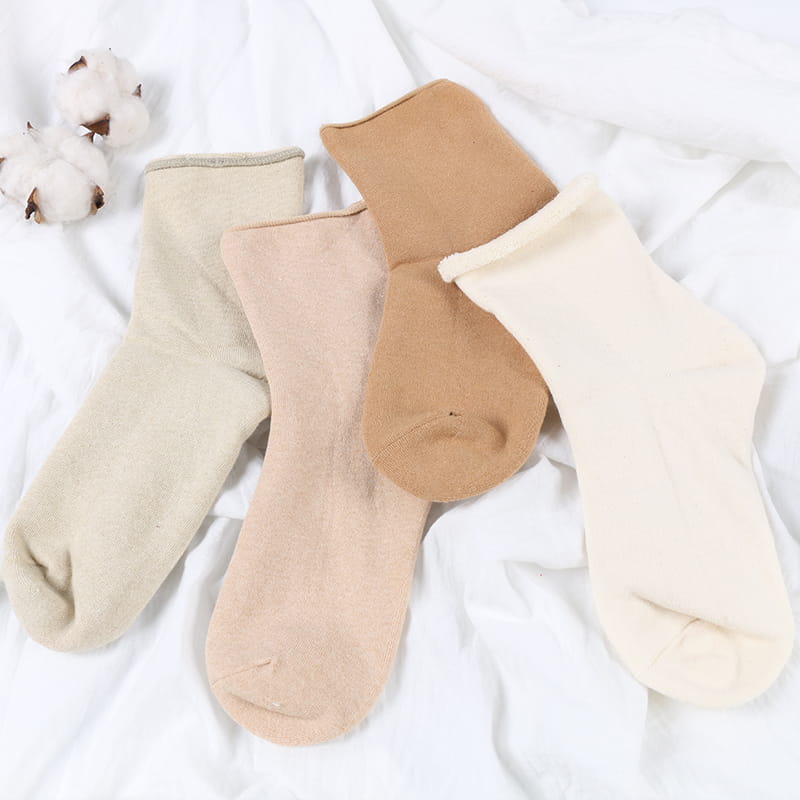
NO. WSD1407 Size EU35-39 Age Adu...
View More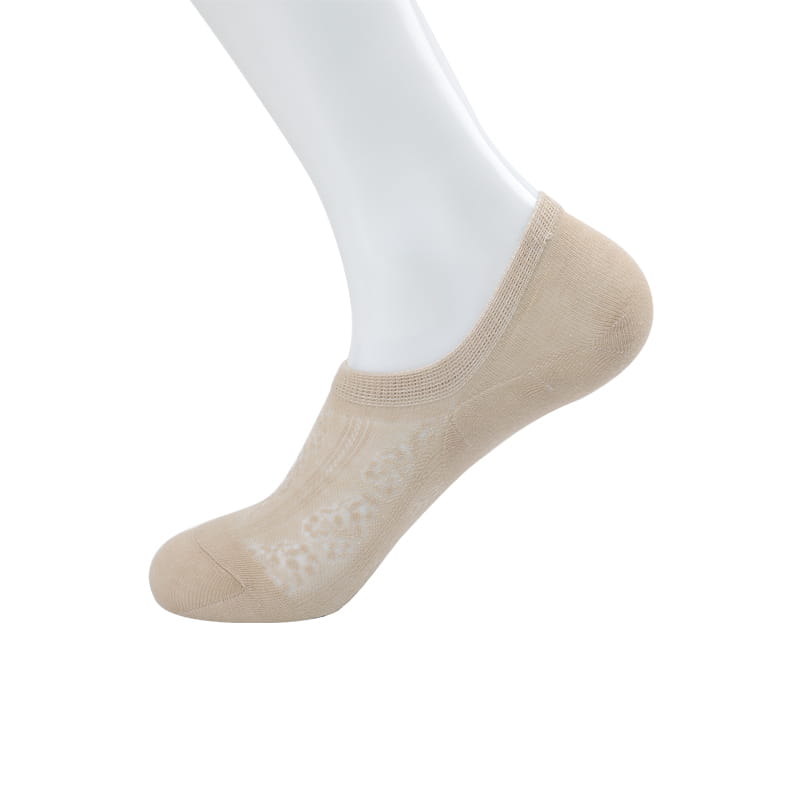
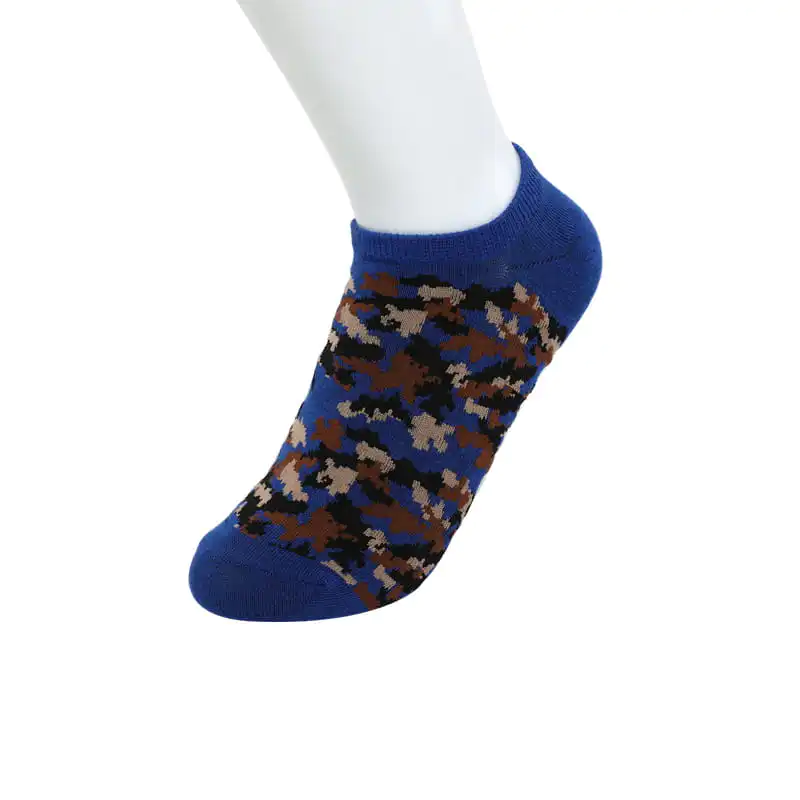
NO. WSD1259 Size EU35-39 Age Adu...
View More
NO. WSD1113 Size EU35-39 Age Adu...
View More
NO. WSD1132 Size EU35-39 Age Adu...
View More

+86-13586371153
+86-0573-87670680
[email protected] [email protected]
8-1 Yongsheng Road, Qianjiang Industrial Park, Dingqiao, Haining, Zhejiang, PRC
Copyright © Haining Wanshida Hosiery Co.,LTDAll Rights Reserved. China Custom Socks Manufacturers