
Content
On a humid July evening at a minor league stadium, a shortstop dives headfirst into second base. The umpire signals safe, and the player pops up to brush off the dirt. Under his stirrup socks, the long white cotton sock that reaches his knees has absorbed the sweat and kept the edge of his cleat from scraping his calf. This white layer is the sanitary sock, and it has been doing quiet work on baseball fields for more than a century.
Sanitary socks are not just a nostalgic uniform detail. For players and for apparel buyers, they represent a functional product category built on protection, hygiene, and comfort.
A sanitary sock is a long white cotton sock worn inside the stirrup sock. In baseball's early days, players wore metal cleats that could easily cut an opponent. When a runner slid into a base, the spiked shoe could nick the skin of a fielder's leg. Without a protective layer, the wound could become dirty and lead to blood poisoning. The white cotton sock served as a barrier between the cleat and the skin.
The term “sanitary” comes from this original safety purpose. It also refers to the practice of wearing a clean sock for every game, because cotton shows blood and dirt so the clubhouse staff can act quickly. The white color also helped players see whether there was a cut beneath the sock. Over time, the combination of a white inner sock and a colored stirrup sock became baseball tradition, even after modern cleats replaced the old metal spikes.
The two-sock system is worn for three simple reasons: protection, hygiene, and comfort.
Protection: A thick terry cotton sock placed under the stirrup absorbs an impact that would otherwise scrape or cut the skin. When a player slides into a base, the force of the cleat is reduced by the cotton layer. This can minimize the chance of a spiked wound that turns into a serious infection.
Hygiene: A fresh pair of cotton socks reduces the chance of fungal infections. Cotton is breathable, so sweat evaporates and less bacteria accumulate around the toes and heel. Baseball players often spend several hours on the field, and feet naturally get hot and damp. The white color of the sanitary sock makes any bleeding or dirt visible before the game continues.
Comfort: Wearing two layers of socks in hot weather might seem wasteful, but the inner cotton wicks moisture away from the foot, while the outer stirrup provides a light elastic sleeve that keeps the sock in place without being too tight. Players who tried this system for a full season often report fewer blisters and better shoe fit.
A modern sanitary sock looks simple, but small details make the difference. When you are sourcing these socks, the material and construction have to work together. Combed cotton is the classic choice because it is soft and absorbs sweat. In humid climates, adding a small amount of nylon or polyester helps the sock retain its shape and dry faster. Flat seams at the toe are ideal because a traditional square seam can rub against the foot and cause irritation.
| Feature | Why It Matters |
|---|---|
| Material | Combed cotton is soft and absorbent; bamboo fiber adds natural antibacterial properties |
| Length | Knee-high protection covers the calf, while an ankle length may leave skin exposed |
| Thickness | A medium terry cushion absorbs shock without making the shoe feel too tight |
| Seam | A hand-linked or seamless toe reduces chafing on long games |
| Color | Traditional white shows blood and dirt; black or gray is used for other sports |
The idea of a hygienic inner sock is not limited to baseball. Softball, rugby, lacrosse, and some track events use similar designs. Modern athletic brands also call a thin, antibacterial sock a “sanitary sock” when it is meant to be worn under training socks. The key is always the same: a comfortable, breathable layer that cleans and protects the foot.
In many cases, players simply prefer a white crew sock under a colored team sock. Polyester and cotton blends make the inner sock more durable and quicker to dry than pure cotton. For a broader look at how different activities affect sock design, see this guide to different types of socks.
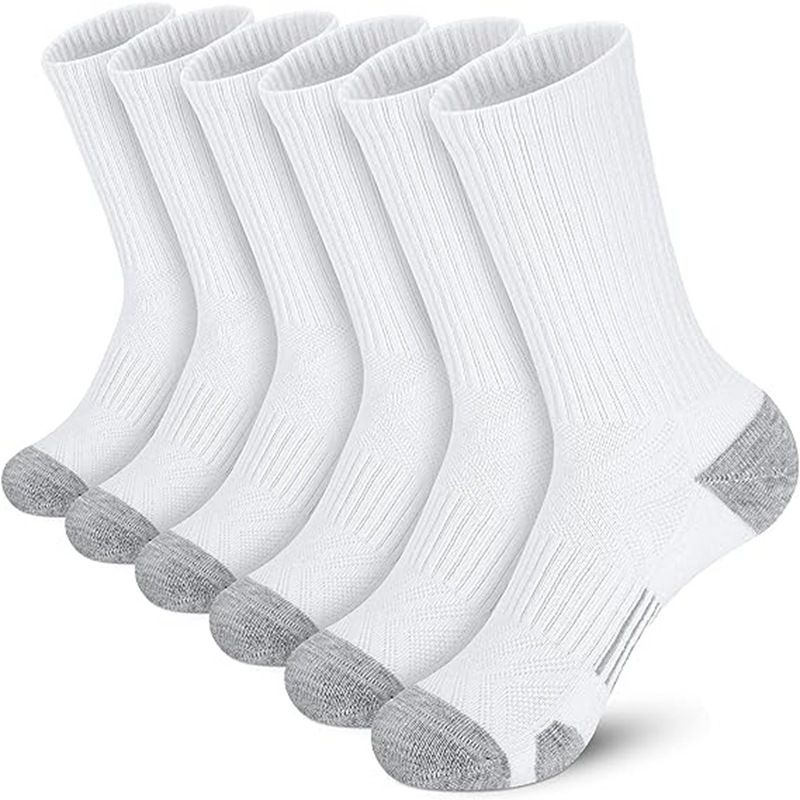 Wholesale Custom Logo Crew Sport Socks in White, Black, and GreyThese crew-length athletic socks are a practical choice for teams and training, with customizable logo options to test brand appeal before committing to a full custom run.View Product →
If you are sourcing socks for a baseball team, a sports brand, or a retail line, the specifications matter. The simplest starting point is to produce two separate products: a white inner sanitary sock and a colored outer stirrup sock. However, many buyers prefer to combine both into one order. In that case, you need a supplier that can handle both products with consistent quality.
Here are the questions to ask a supplier:
For a ready-made option, wholesale custom logo sport socks in white, black, and grey are a strong base because they cover the needs of baseball, softball, and training use. They can be ordered in crew length with a custom logo for your own brand, and they allow you to test the market before committing to a full custom line.
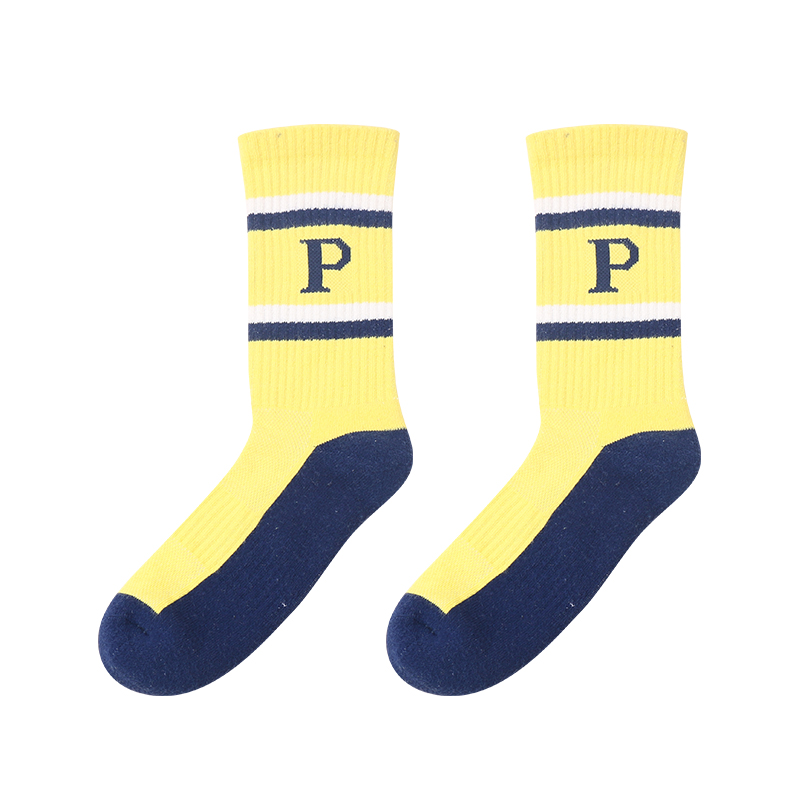 OEM Terry Knit Gym and Basketball Socks with Custom LogoDesigned with terry cushioning and anti-slip features, these jacquard socks for men suit gym and basketball use, while OEM capabilities support quality production from sample to full order.View Product →
Sanitary socks are a small but meaningful part of a sports league's history and a functional choice for modern athletes. They protect the foot and leg, keep hygiene in check, and provide a comfortable base layer. For a brand, source them with the right material, length, and seam; a reliable partner can help you move from a sample order to a full production run without losing quality.
NO. WSD1072 Size EU35-39 Age Adu...
View More
NO. WSD1407 Size EU35-39 Age Adu...
View More
NO. WSD1232 Size EU35-39 Age Adu...
View More
NO. WSD1463 Size EU35-39 Age Adu...
View More
NO. WSD1400 Size EU35-39 Age Adu...
View More
NO. WSD1132 Size EU35-39 Age Adu...
View More

+86-13586371153
+86-0573-87670680
[email protected] [email protected]
8-1 Yongsheng Road, Qianjiang Industrial Park, Dingqiao, Haining, Zhejiang, PRC
Copyright © Haining Wanshida Hosiery Co.,LTDAll Rights Reserved. China Custom Socks Manufacturers