
Content
You get into bed, pull up the covers, and then the doubt hits: should you keep your socks on or kick them off? It sounds like a minor nightly decision, but the answer can influence how quickly you fall asleep, how comfortable you stay all night, and even the condition of your feet. In a large informal survey, 63% of respondents said they sleep without socks, 25% said they sometimes wear them, and only 11.5% wear them regularly. Yet sleep researchers and clinicians have been pointing out for years that warm feet can actually improve how fast you drift off. So which side should you be on? The honest answer is that both options can be right, depending on your room temperature, your socks, and your personal health.
Your body is wired to lower its core temperature at night as part of the natural sleep signal. When you put on socks, you warm your feet, which causes blood vessels in the skin to dilate. That dilation redirects warm blood to the extremities and allows heat to escape from your skin, which gently reduces your core temperature. This is the same phenomenon that makes a warm bath before bed work so well: the superficial warmth helps your inner thermostat shift toward sleep.
In practical terms, people who have cold feet often have a harder time falling asleep because the cold keeps those blood vessels constricted. A pair of soft, breathable socks can remove that obstacle. One widely cited study of young adults found that wearing socks to bed shortened the time it took to fall asleep by an average of about eight minutes, while also increasing total sleep time. Eight minutes may not sound dramatic, but over a week it adds up to nearly an hour of extra rest.
Beyond faster sleep onset, keeping your feet covered overnight can help in several concrete ways. The skin on your feet is quick to lose moisture, especially in dry climates or air-conditioned rooms. Socks help lock in hydration, which is why many dermatologists recommend light cotton socks for people with cracked heels. The same covering action can also be helpful for people who experience night-time foot cramps, because warm muscles tend to stay more relaxed.
| Scenario | What often helps | Why |
|---|---|---|
| Cold feet that delay falling asleep | Breathable cotton or wool socks | Warming the feet supports vasodilation and a faster drop in core temperature. |
| Cracked heels or dry skin | Thin cotton socks after moisturising | Socks trap moisture against the skin and prevent overnight evaporation. |
| Raynaud's syndrome or poor circulation | Loose, non-binding warm socks | A steady foot temperature helps reduce vasospasms and chilling. |
| Menopausal hot flashes | Light, moisture-wicking socks | Evenly warm feet can reduce the body's need to overcorrect with sudden heat dissipation. |
For people prone to Raynaud's attacks, sleeping in socks can be genuinely protective. The condition causes small blood vessels to overreact to cold, temporarily restricting blood flow to the fingers and toes. Keeping the feet warm at night lowers the chance of waking up with painful, pale toes. Similarly, some women find that managing overnight hot flashes becomes easier when their feet are not freezing cold, because sudden chilling can trigger the body's heat-redistribution response.
There are nights when socks are more trouble than they are worth. The most common problem is a pair that is too tight around the ankle. Socks with strong elastic leave indentations on your skin and can restrict blood flow, which is the opposite of what you want when you are lying still for hours. If you wake up with grooves on your calves or ankles, that sock is pressuring you too much.
Overheating is another issue. Thick athletic socks designed for shoes are often too warm and too moisture-retaining for bed. If your feet sweat overnight inside a heavy sock, you create a damp environment that invites fungal overgrowth and can irritate eczema-prone skin. The same logic applies to synthetic materials that do not breathe; they trap heat and sweat rather than releasing them.
There is also a hygiene angle for people who sleep with a partner. Feet naturally accumulate sweat and skin cells throughout the day, and sliding into bed with the same socks you wore for ten hours can transfer bacteria onto your sheets. This is less about policy and more about habit: if you sleep in socks, it is worth having a dedicated clean pair for bedtime rather than reusing daytime socks.
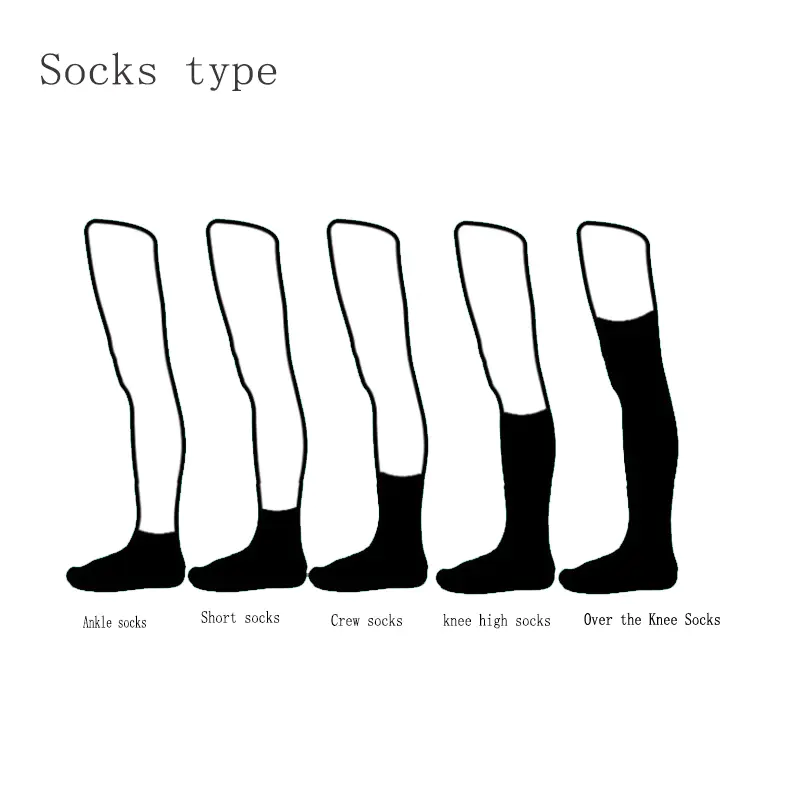
The best sleeping socks are the ones you barely feel. That generally means a low-to-mid crew length with a relaxed cuff, a soft hand feel, and a fabric that breathes. Cotton is a dependable choice for most people because it absorbs moisture and does not overheat. Merino wool is excellent for winter because it regulates temperature even when it becomes slightly damp, and it is naturally odour-resistant. Bamboo-derived and modal fabrics are silky and thin, making them good options for warm climates or people who simply dislike bulky textures.
Fabric weight matters too. A lightweight or midweight sock is enough to warm your feet, while heavyweight hiking or cushion socks are usually overkill for bed. If your feet tend to get cold only in the deepest part of winter, a thick brushed-cotton or fleece-lined sock makes sense, but reserve it for genuinely cold nights rather than wearing it year-round.
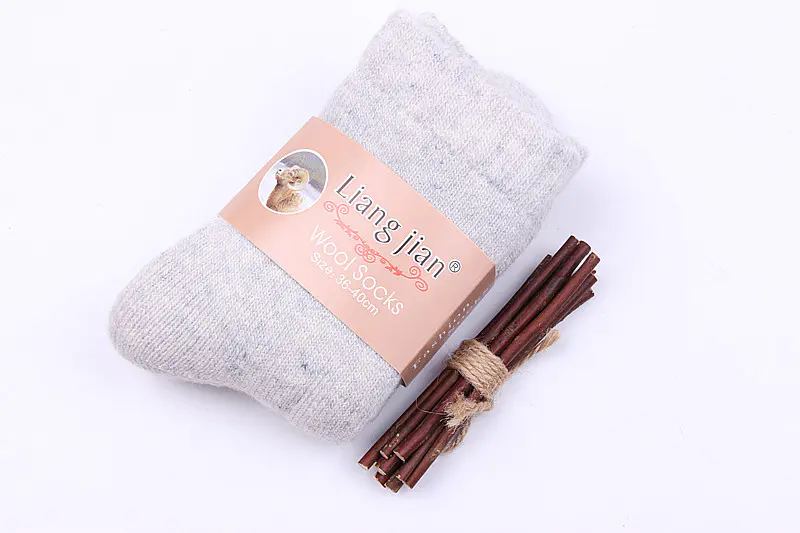 Thick Fuzzy Winter Socks for Comfortable Warm SleepMade from thickened cotton with a hand-sewn finish, these soft fuzzy socks offer breathable moisture absorption for overnight wear. Their smooth toe closure helps prevent irritation, making them a sensible pick for chilly nights.View Product →
Pay attention to the cuff and toe seam as well. A seam across the toes can rub against the skin all night and disrupt sleep, so look for hand-linked or smooth toe closures. The cuff should hold the sock up without digging in; if it leaves a red line after five minutes, it is too tight. For people with sweaty feet, choosing an absorbent material is critical, and a dedicated pair of moisture-wicking socks can make the difference between a dry night and a clammy one.
Children do not usually need socks at night if their room is at a comfortable temperature. Their feet may feel cool to the touch because their circulation is still efficient at moving heat to the skin, but that does not mean they are cold. If you put socks on a baby or toddler, choose a loose cotton style and check that the foot never becomes sweaty or marked. Tight socks on growing feet can cause discomfort and, in rare cases, restrict circulation.
Older adults often experience colder feet because of reduced circulation and thinner subcutaneous fat. For them, a warm pair of socks at night is not just a comfort measure; it can prevent the shivering that disrupts sleep and raises blood pressure. The same is true for people who take medications that affect blood vessel tone. If you have peripheral artery disease or diabetes, the rules tighten: you should avoid any sock with a constricting band and check daily for pressure marks, because reduced sensation can hide the early signs of tissue damage.
 Heavy Terry Cotton Men's Casual Socks for Indoor Winter WearFeaturing a dense terry knit, these cotton socks deliver substantial warmth for lounging at home. If you have circulation concerns or diabetes, avoid tight cuffs and choose a looser style for nighttime comfort.View Product →
Compression socks deserve a special warning. They are designed for circulation support during the day, often with 15 to 30 mmHg of pressure, and wearing them through the night can interfere with the natural positional changes of your legs. Unless a doctor has specifically prescribed overnight compression, save these socks for daytime and choose a loose, standard pair for bed.
For people who simply cannot tolerate any sock at night, the alternative is not necessarily a cold foot. A warm water bottle placed near the feet, a hot shower before bed, or a small blanket folded over the foot of the bed can all raise foot temperature without the sensation of wearing socks.
The decision is not a moral one, and there is no universal rule. If your feet are cold at bedtime and you sleep better with socks, choose a soft, breathable, non-binding pair and keep them clean. If you sleep hot, have sensitive skin, or simply find socks uncomfortable, leaving them off is fine as long as your room is warm enough to keep you from curling up from cold.
Start by looking at your own pattern. If you lie in bed with cold feet for twenty minutes every night, a pair of loose cotton or wool socks is a low-cost experiment worth trying. If you already wear socks and wake up with sweaty feet or visible marks, switch to a lighter material and a gentler cuff. And if you are stocking a brand, a retail line, or a hospitality business, these distinctions are worth taking seriously. Guests, customers, and family members all sleep differently, which is one reason why a thoughtful sock range needs to include both thin breathable styles and warmer winter options.
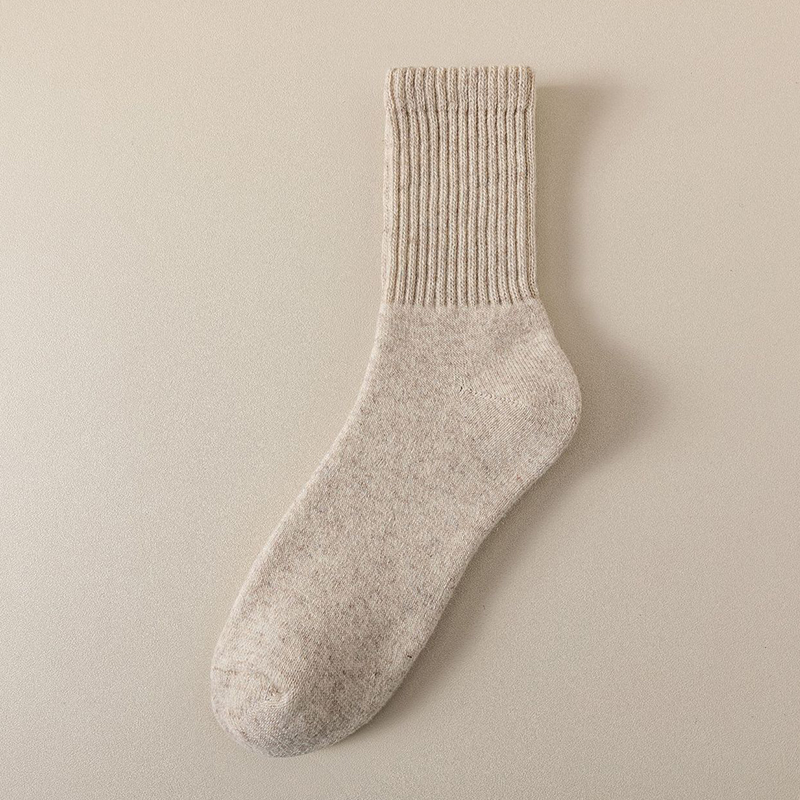 Merino Wool Thick Thermal Socks for Winter WarmthThis high-grade merino wool sock provides thick, breathable insulation for cold nights. Its natural moisture management keeps feet dry, making it a dependable option for individuals needing extra warmth while sleeping or for retail collections.View Product →
In the end, the best night of sleep is the one that works for you. Pay attention to how your feet feel, how your sheets feel, and how your body responds. When you find the right balance, the choice between socks and no socks stops being a nightly debate and simply becomes part of a comfortable routine.
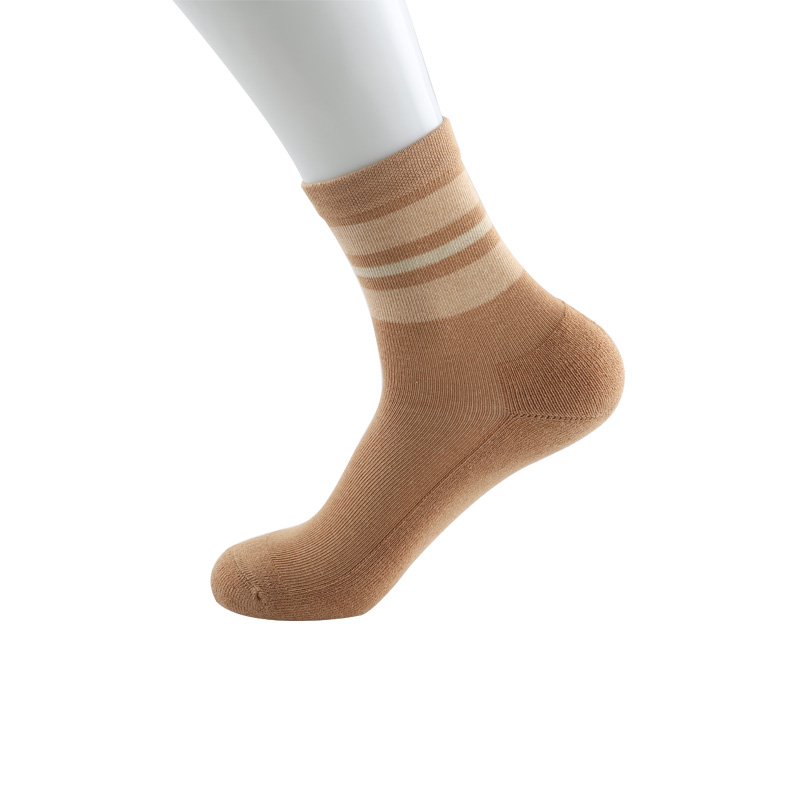
NO. WSD1042 Size EU35-39 Age Adu...
View More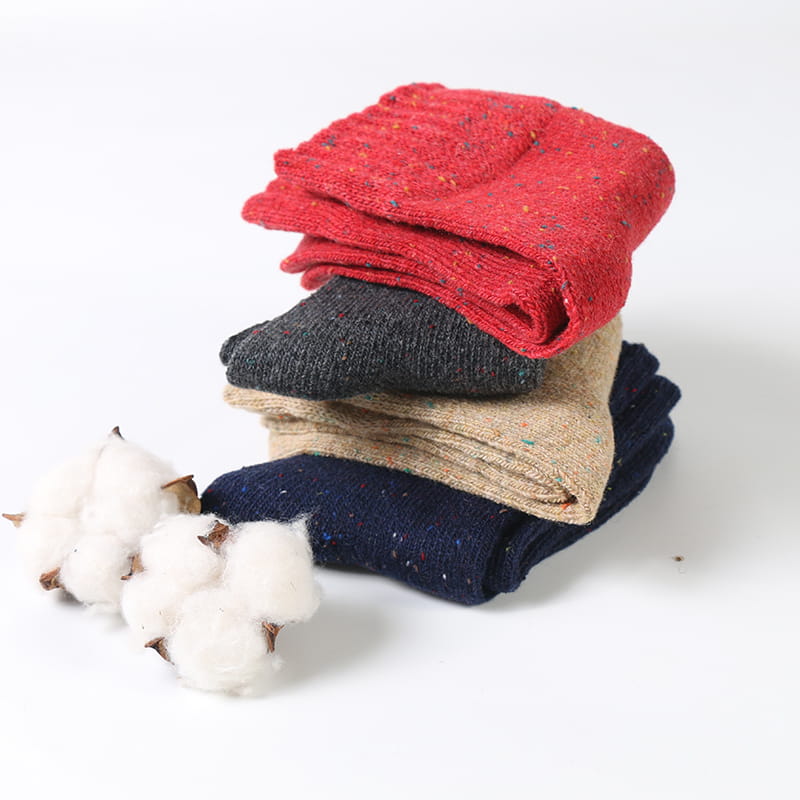
NO. WSD1425 Size EU35-39 Age Adu...
View More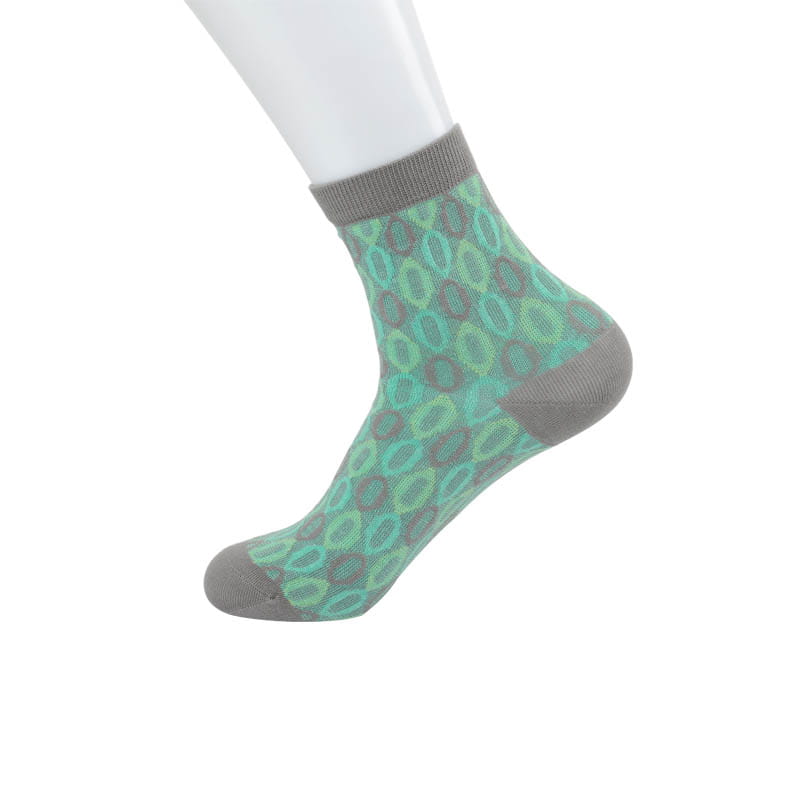
NO. WSD1143 Size EU35-39 Age Adu...
View More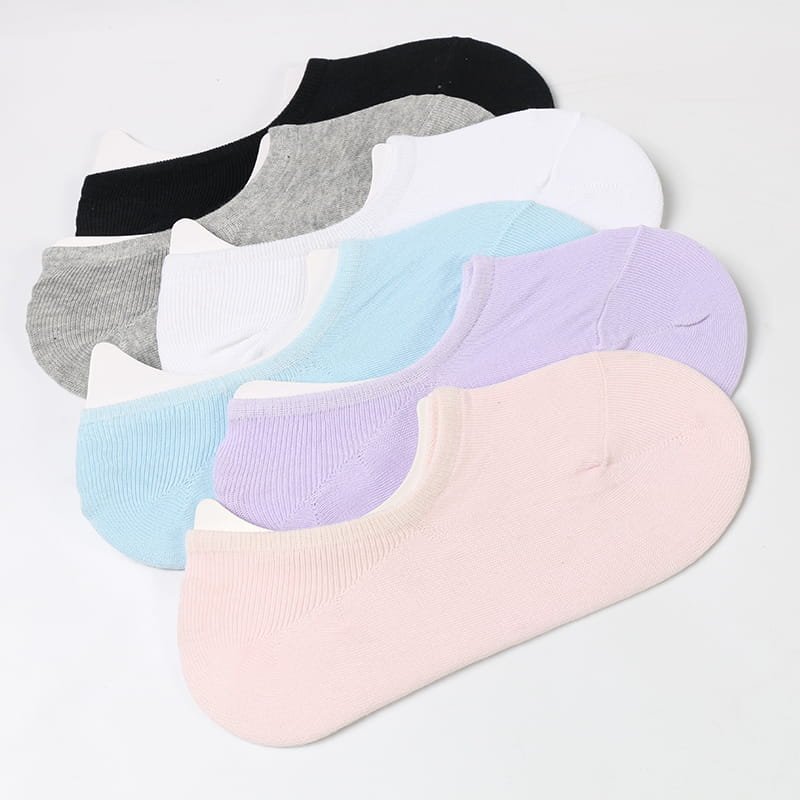
NO. WSD1242 Size EU35-39 Age Adu...
View More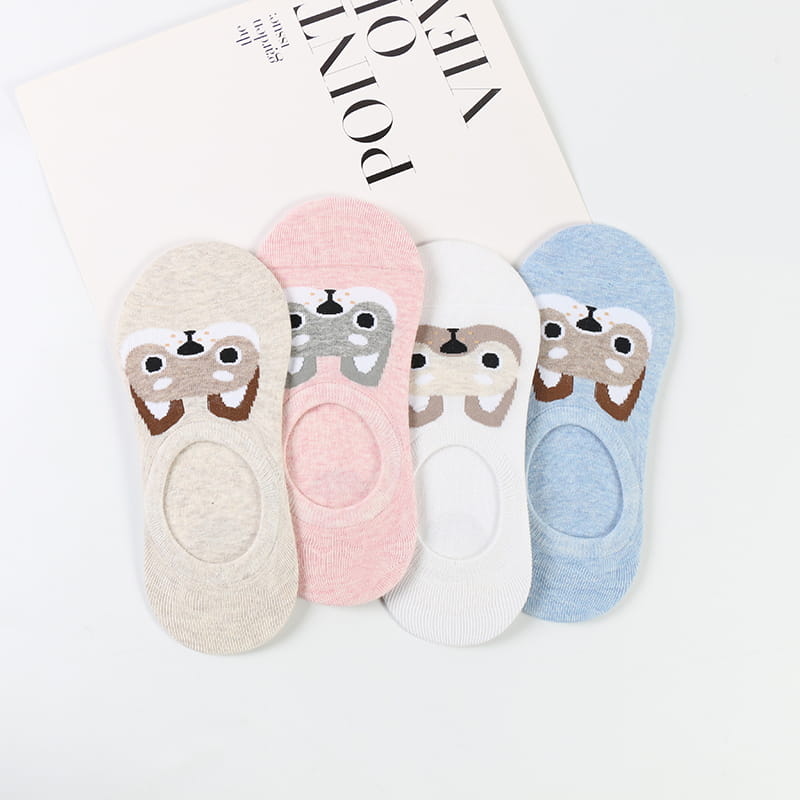
NO. WSD1257 Size EU35-39 Age Adu...
View More
NO. WSD1151 Size EU35-39 Age Adu...
View More

+86-13586371153
+86-0573-87670680
[email protected] [email protected]
8-1 Yongsheng Road, Qianjiang Industrial Park, Dingqiao, Haining, Zhejiang, PRC
Copyright © Haining Wanshida Hosiery Co.,LTDAll Rights Reserved. China Custom Socks Manufacturers