
Content
Short boots are easy to love, but they are less forgiving than tall boots when it comes to socks. The sock controls comfort, warmth, friction, and the visible line where the boot meets the leg. In our work making socks for brands and retailers, we see the same pattern again and again: the best-looking outfit still feels wrong if the sock is too thick, too thin, or the wrong height.
This guide is written for anyone choosing socks to wear with short boots, and for product teams building a boot-friendly sock range. We will look at height, material, color, fit, and the small details that make a difference.
Short boots sit around the ankle or just above it. That means the sock is often visible, and the space inside the boot is limited. A sock that is too thick can crowd the instep and make the boot feel tight. A sock that is too thin may rub against the heel or shaft. Height matters too: a low sock can disappear in an awkward way, while a tall sock may bunch up under a close-fitting boot.
Comfort is only half of the story. With short boots, the sock creates a deliberate break between the boot and the leg. A neat ribbed crew sock can make a simple outfit look considered. A soft slouch sock can add texture. A hidden no-show sock can keep the look clean. The right choice depends on the boot, the season, and the outfit you have in mind.
The first decision is height. Start with the boot shaft, then decide whether you want the sock to be hidden, slightly visible, or part of the styling.
| Boot style | Best sock height | What it does |
|---|---|---|
| Chelsea or sleek ankle boot | No-show or low-cut ankle | Keeps the line clean and avoids bulk under a close shaft. |
| Lace-up or combat boot | Ankle or ribbed crew | Adds cushioning and a deliberate, casual layer above the boot. |
| Heeled ankle boot | Thin ankle or smooth crew | Reduces friction while keeping the ankle line neat. |
| Hiking or weatherproof short boot | Mid-calf or cushioned crew | Protects the leg, adds warmth, and helps manage moisture. |
If you want the boot to do the talking, no-show or low-cut ankle socks are often the simplest choice. They work well with cropped jeans, midi skirts, and dresses. The risk is slipping. Look for a shaped heel, enough elastic, and a silicone grip inside the heel if you plan to walk a lot. Cotton blends feel soft and breathe well; a small amount of nylon or elastane helps the sock keep its shape.
For warm weather, a thin combed cotton or bamboo-blend no-show sock can feel cool without adding visible bulk. For cooler weather, an ankle sock with a light cushion sole gives a little warmth without changing the silhouette. If you are comparing sock shapes, our guide to different types of socks is a useful reference.
Ribbed crew socks are the most reliable choice for lace-up short boots, combat boots, and hiking-inspired styles. Show about two to five centimeters above the boot for a deliberate look. A tonal match with the boot creates a longer, cleaner line. A contrast color or texture makes the sock part of the outfit. Slouchy socks can work with soft ankle boots, but keep the slouch intentional rather than bunched.
For cold weather, merino wool or wool-blend crew socks add warmth without the bulk of a heavy thermal sock. They also regulate temperature and handle moisture well, which matters if you are walking or standing for long periods. In our own boot-oriented range, we focus on cushion placement, heel fit, and a rib that recovers after washing.
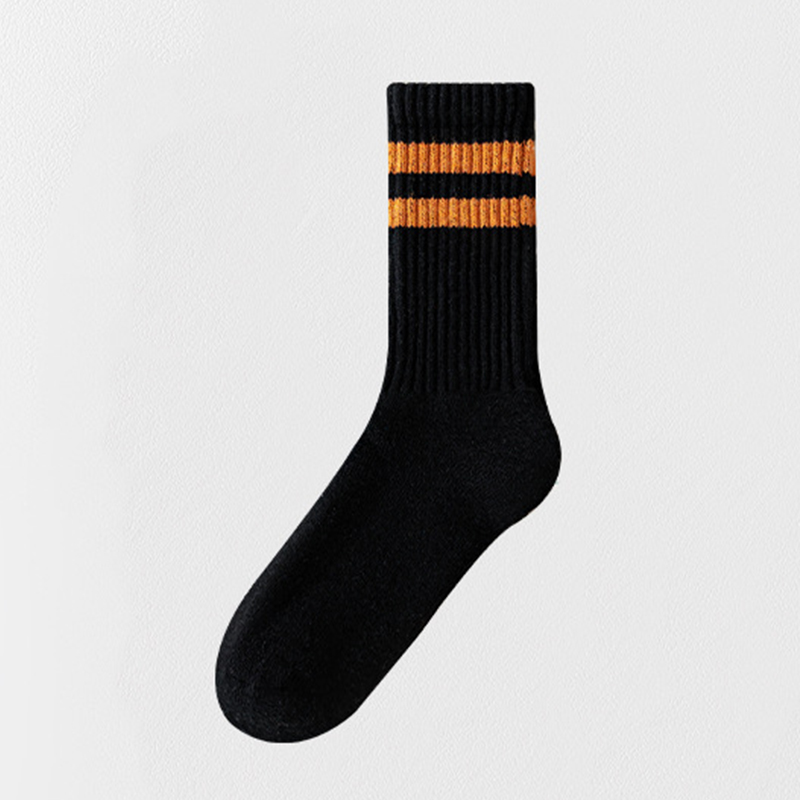 Men's Striped Trekking and Work Boot SocksA men's striped boot sock for trekking or work use, shown in the cold-weather section; review its listed fiber specifications before sourcing.View Product →
Material affects feel, temperature, durability, and how the sock behaves inside the boot. There is no single best fiber; the right choice depends on the boot and the weather.
Thickness matters as much as fiber. A thick terry sock can be wonderful in a roomy hiking boot, but it may feel too tight in a slim Chelsea boot. For close-fitting boots, choose a smooth, medium-thin sock with a reinforced heel and toe.
Matching the sock to the boot creates a continuous line, which can make the leg look longer and the outfit more polished. Black socks with black boots, brown with brown, and cream with tan are reliable combinations. This approach works especially well with heeled ankle boots and sleek leather styles.
A contrasting sock can be the detail that makes a simple outfit feel intentional. Try a cream ribbed crew with dark boots, a soft gray sock with tan boots, or a fine stripe with denim. Texture matters too: ribbing, pointelle, and soft slouch styles add interest without needing a loud print. If the boot already has buckles, laces, or a heavy sole, keep the sock simpler.
Style advice becomes product development when you are planning a collection. Buyers usually need a small, clear range rather than dozens of similar styles. Start with three heights: a no-show or low-cut ankle, a ribbed crew, and a cushioned mid-calf for weatherproof boots. Then choose materials for the season: combed cotton for everyday, merino blends for winter, and lightweight bamboo or modal for warm-weather fashion.
Our company, Haining Wanshida Hosiery, has been making socks since 1994 and now operates a factory of more than 10,000 square meters with over 100 computerized knitting machines and annual capacity above 15 million pairs. We work with combed cotton, merino wool, bamboo, modal, organic cotton, and functional blends. For buyers, the useful part is not the scale itself but what it allows: sample development, consistent fit, and custom logo or pattern work across a focused range. You can learn more about our custom sock manufacturing approach.
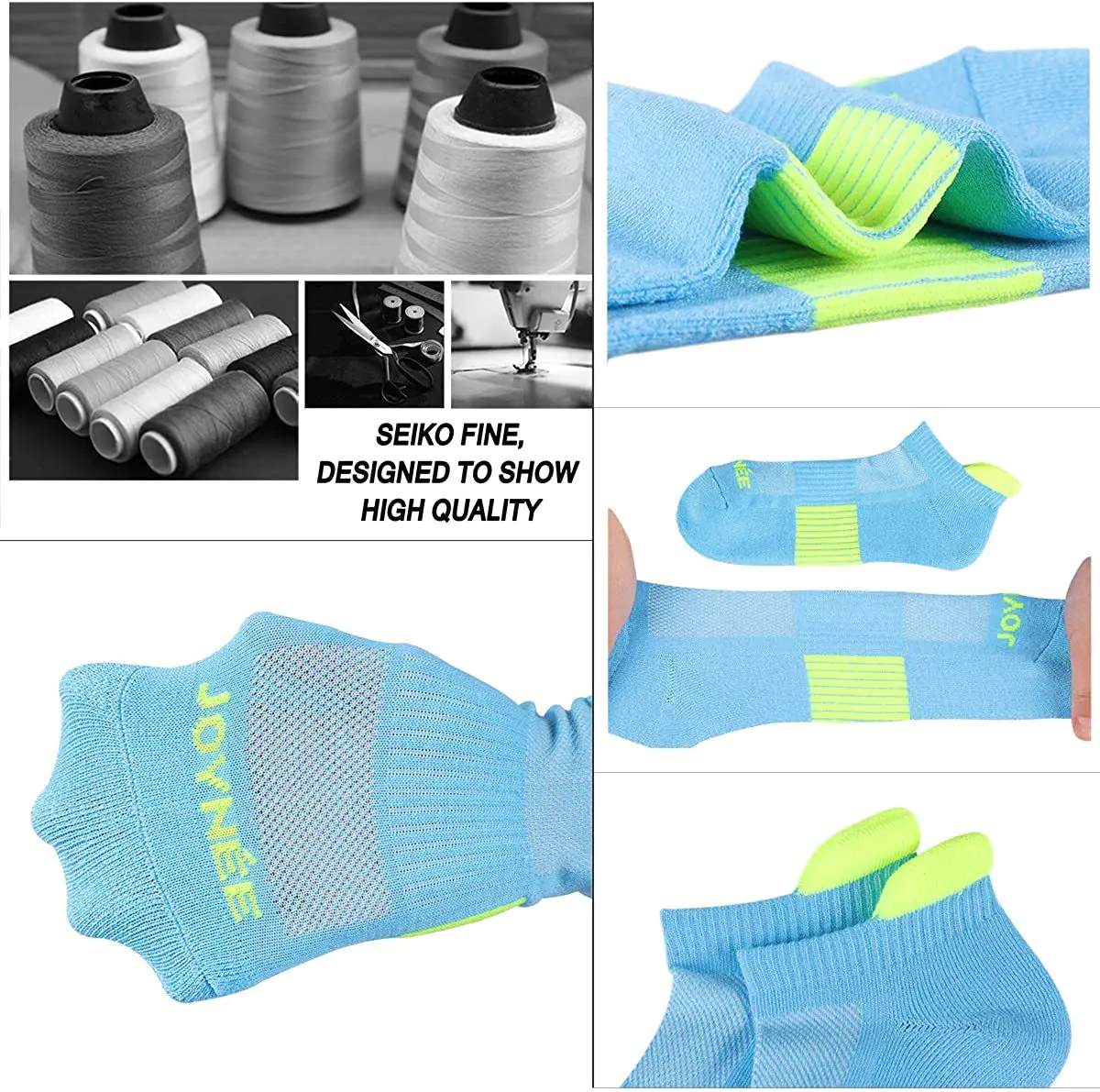 Custom OEM Low-MOQ Cotton Athletic Ankle SocksThis customizable low-MOQ cotton ankle sock for women and men supports athletic sourcing and is a practical starting point for testing a short-boot collection.View Product →
A low-MOQ ankle sock is often a sensible starting point for testing a short-boot collection. From there, add a ribbed crew in a wool blend and a cushioned hiking-inspired style. Keep the fit blocks consistent so the customer can move between heights with confidence.
Choose height first, material second, and color third. If the sock sits correctly at the boot shaft, feels comfortable across the instep, and suits the weather, the outfit will already look more polished. From there, use color and texture to make the look your own.
Whether you are dressing for a daily commute, a weekend walk, or a buyer meeting, the best socks for short boots are the ones that stay in place, feel right inside the boot, and make the visible line look intentional.
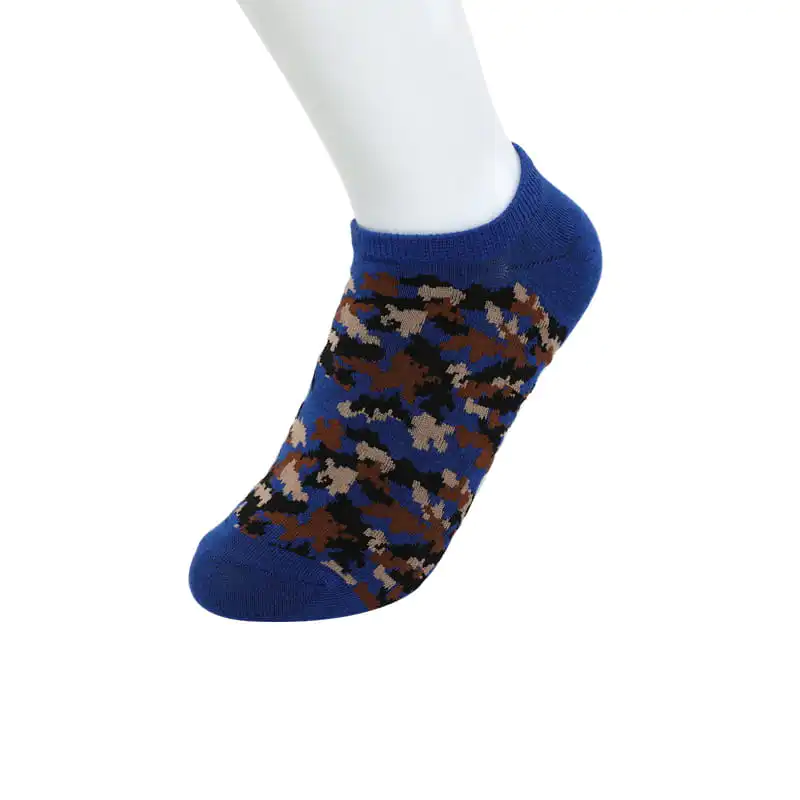
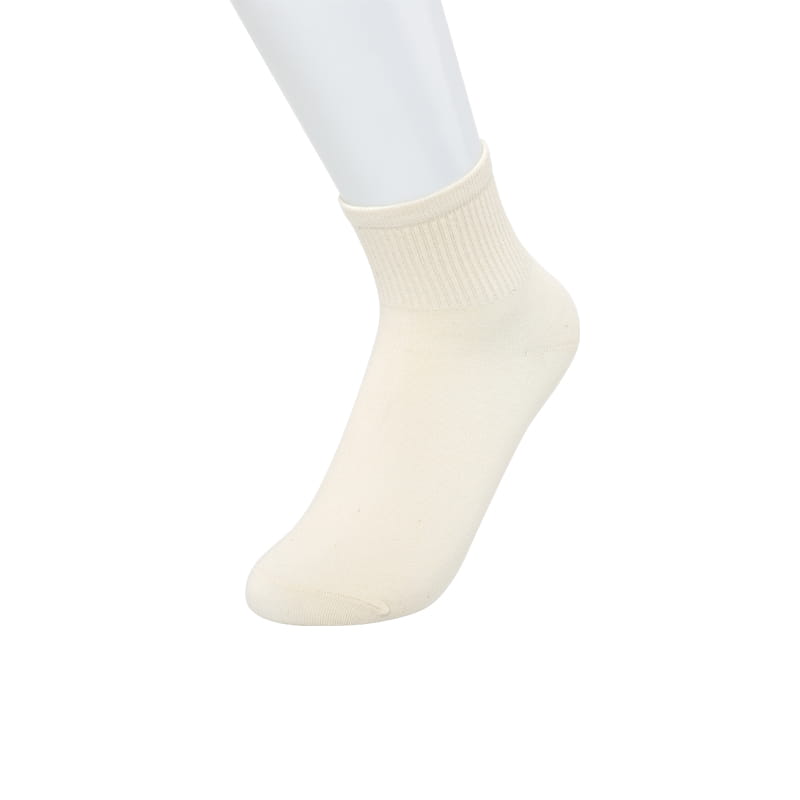
NO. WSD1409 Size EU35-39 Age Adu...
View More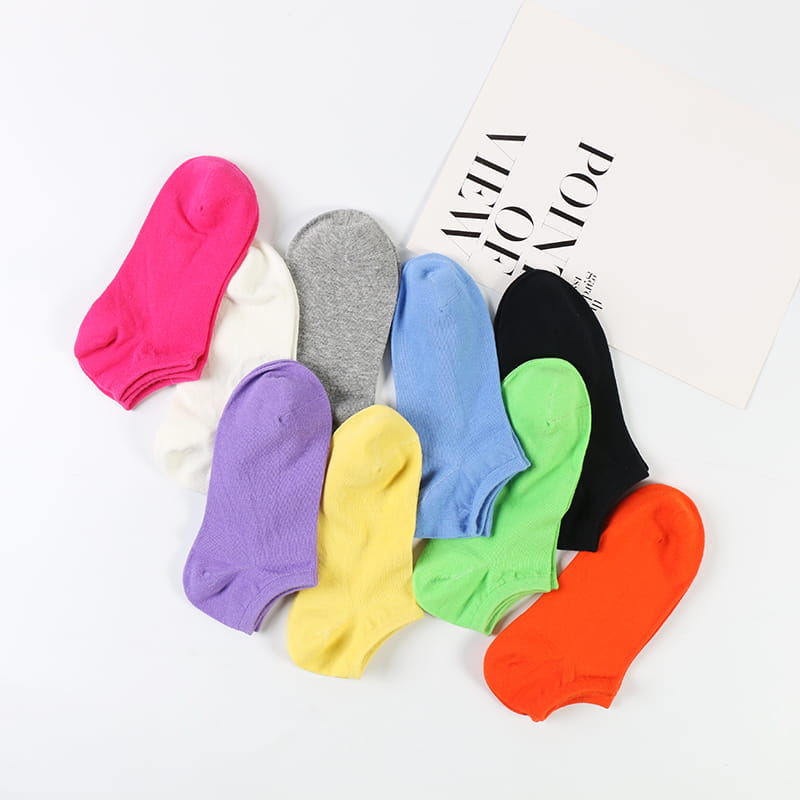
NO. WSD1092 Size EU35-39 Age Adu...
View More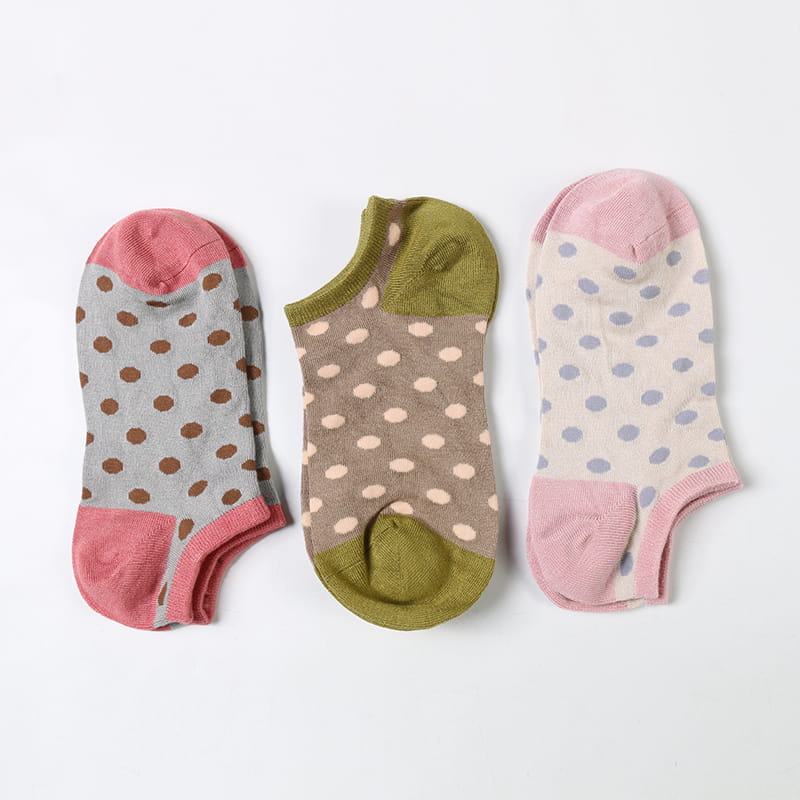
NO. WSD1260 Size EU35-39 Age Adu...
View More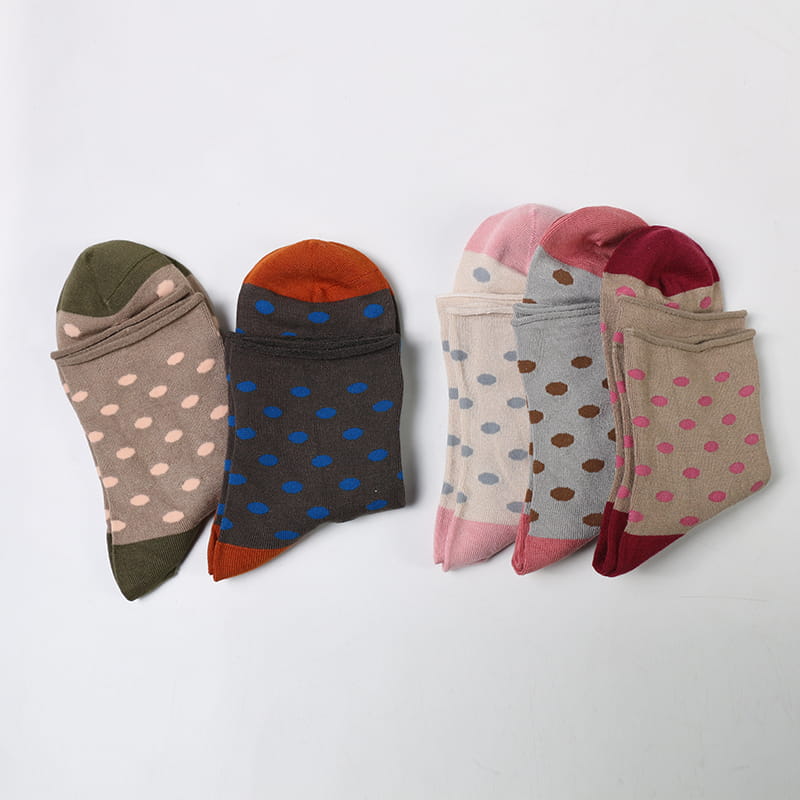
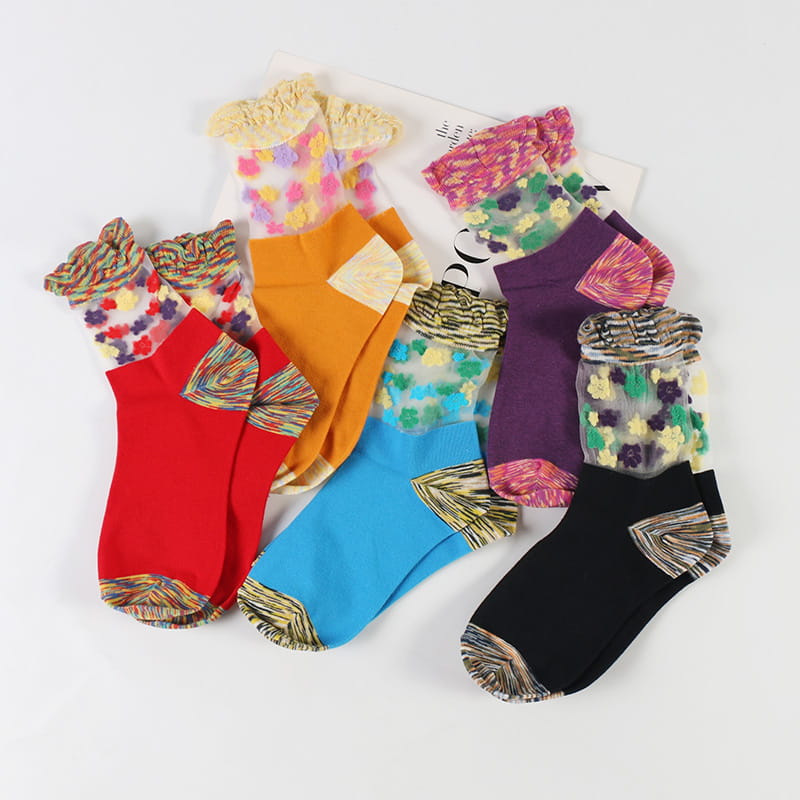
NO. WSD1140 Size EU35-39 Age Adu...
View More

+86-13586371153
+86-0573-87670680
[email protected] [email protected]
8-1 Yongsheng Road, Qianjiang Industrial Park, Dingqiao, Haining, Zhejiang, PRC
Copyright © Haining Wanshida Hosiery Co.,LTDAll Rights Reserved. China Custom Socks Manufacturers