
Content
Women's socks have evolved far beyond basic footwear accessories to become essential components of both functional wardrobes and fashion statements. While sock varieties may seem endless, they generally fall into four primary categories based on height and coverage: ankle socks, crew socks, knee-high socks, and no-show socks. Each type serves distinct purposes, offers unique benefits, and suits different occasions, footwear choices, and personal style preferences.
Understanding these four fundamental sock types empowers women to make informed choices that enhance comfort, protect foot health, and complement their overall appearance. The right sock selection can prevent blisters, regulate temperature, provide necessary support, and complete an outfit with thoughtful attention to detail. This comprehensive guide explores each sock category in depth, examining their characteristics, ideal applications, material considerations, and styling possibilities to help you build a versatile sock collection.
Ankle socks, also known as quarter socks or low-cut socks, extend just above the ankle bone, typically reaching one to three inches above the shoe line. This height provides adequate coverage to protect against shoe friction while maintaining a casual, understated appearance. Ankle socks have become wardrobe staples for active women, offering the perfect balance between coverage and breathability for everyday wear.
The design of ankle socks makes them exceptionally versatile across various activities and settings. They work seamlessly with sneakers, athletic shoes, loafers, and casual boots, making them ideal for gym sessions, running errands, casual office environments, and weekend activities. The visible sock line above the shoe creates a clean, sporty aesthetic that pairs well with jeans, leggings, joggers, and casual shorts without drawing excessive attention.
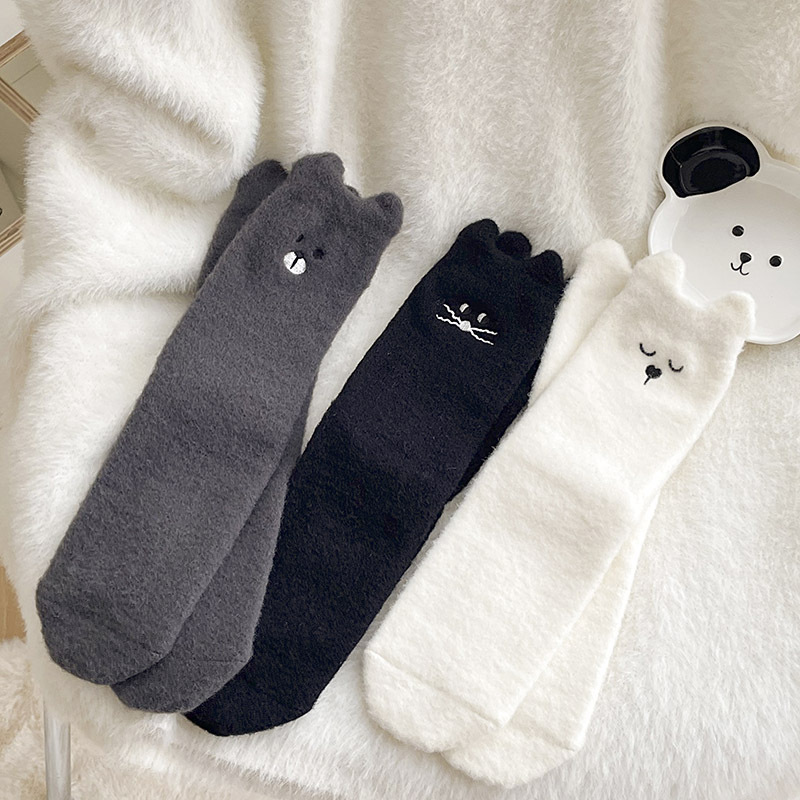
Ankle socks come in diverse material compositions to suit different needs and preferences. Cotton blends remain popular for everyday wear, offering softness, breathability, and affordability. These materials absorb moisture reasonably well and feel comfortable against the skin during moderate activity. However, pure cotton retains moisture, which can lead to dampness during intense exercise or hot weather.
Performance ankle socks incorporate synthetic fibers like polyester, nylon, and spandex to enhance moisture-wicking capabilities and provide targeted compression. These technical fabrics pull sweat away from the skin, keeping feet drier during workouts and preventing blister formation. Merino wool ankle socks offer temperature regulation, naturally resisting odors while providing cushioning and moisture management suitable for both warm and cool conditions.
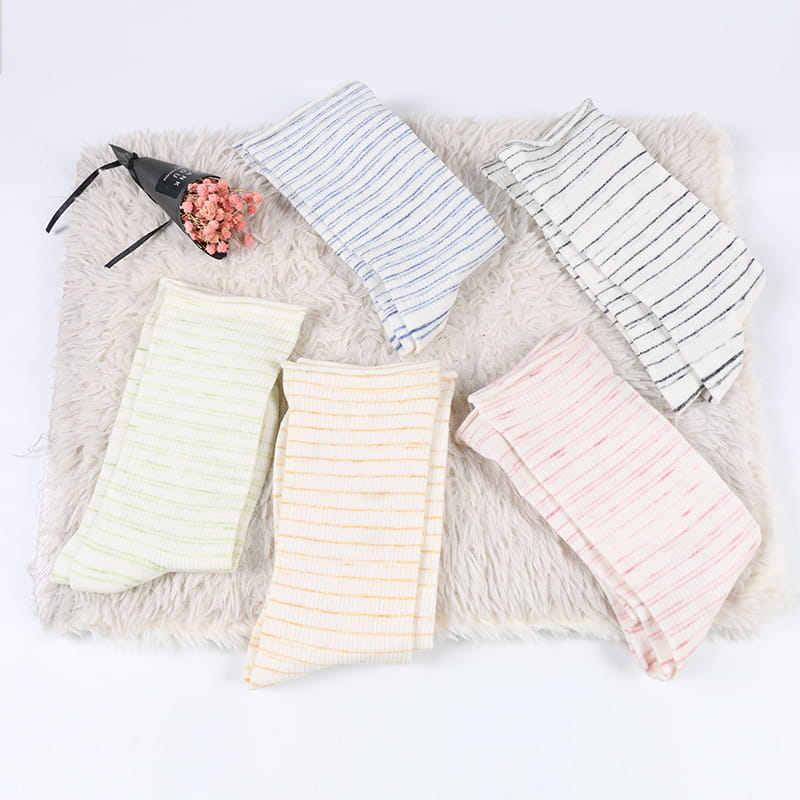
Crew socks represent the traditional sock silhouette, extending midway up the calf, typically six to eight inches above the ankle bone. This classic length has remained popular for decades due to its practical benefits and timeless appeal. Crew socks provide substantial coverage that protects the lower leg from cold weather, prevents chafing from boot shafts, and offers a polished appearance suitable for both casual and professional settings.
The extended length of crew socks delivers functional advantages beyond aesthetics. The additional fabric provides insulation during colder months, making crew socks essential for fall and winter wardrobes. The height also prevents skin contact with boot interiors, reducing irritation and protecting against blisters when wearing higher footwear. Many women appreciate crew socks for their ability to stay in place throughout the day without constant adjustment, unlike shorter styles that may slip down during activity.
Crew socks have experienced a fashion renaissance in recent years, transitioning from purely functional items to style statements. Bold patterns, vibrant colors, textured knits, and decorative elements have transformed crew socks into opportunities for personal expression. Fashion-forward women now intentionally showcase colorful or patterned crew socks as deliberate style accents, particularly when wearing cropped pants, midi skirts, or deliberately creating visible sock lines with certain footwear.
Cotton crew socks remain classics for everyday comfort, offering breathability and softness ideal for moderate temperatures and light activity. Thick cotton terry loops inside crew socks provide additional cushioning for all-day wear or long periods of standing. These plush varieties work exceptionally well with boots and heavier footwear where extra padding enhances comfort.
Wool and wool-blend crew socks excel in cold weather applications, providing superior insulation and moisture management. Merino wool crew socks regulate temperature effectively, keeping feet warm when cold and preventing overheating when active. Bamboo fiber crew socks offer eco-friendly alternatives with natural antibacterial properties, exceptional softness, and moisture-wicking capabilities that rival synthetic performance fabrics.
Knee-high socks extend to just below the knee, typically reaching 15 to 20 inches in total length from heel to top band. This substantial height provides maximum leg coverage among common sock types, offering both functional benefits and distinctive style opportunities. Knee-high socks create streamlined silhouettes under boots, prevent gaps between footwear and clothing, and provide comprehensive warmth during cold weather.
The design of knee-high socks makes them particularly valuable for specific wardrobe situations. When wearing knee-high or over-the-knee boots, matching knee-high socks eliminate uncomfortable direct skin contact with boot linings while preventing friction-related irritation. The extended length also works beautifully with skirts and dresses, creating cohesive looks that maintain warmth without requiring full tights or leggings. Many women appreciate knee-high socks as alternatives to pantyhose, offering similar coverage with greater comfort and flexibility.
Fashion applications of knee-high socks have expanded significantly beyond traditional schoolgirl or athletic associations. Contemporary styling incorporates knee-high socks into sophisticated outfits, pairing them with midi skirts, shirt dresses, and tailored shorts for polished, modern aesthetics. Cable knit, ribbed, and textured knee-high socks add visual interest and dimension to outfits while the compression effect of quality knee-highs can provide leg support during long days of standing or travel.
Many knee-high socks incorporate graduated compression technology that applies gentle pressure to promote healthy circulation. These compression knee-highs benefit women who spend extended periods sitting during flights or standing during work shifts. The graduated pressure, strongest at the ankle and decreasing toward the knee, helps prevent swelling, reduces fatigue, and minimizes the risk of deep vein issues during prolonged immobility.
Medical-grade compression knee-highs serve specific therapeutic purposes, available in various compression levels measured in millimeters of mercury. Light compression (8-15 mmHg) suits everyday wear and mild swelling, while moderate compression (15-20 mmHg) addresses more significant circulation concerns. Women should consult healthcare providers before using therapeutic compression socks to ensure appropriate compression levels for individual needs.
No-show socks, also called invisible socks or liner socks, represent the minimal coverage option, designed to remain hidden within shoes while still providing essential protection and moisture management. These ultra-low-cut socks typically cover only the foot itself, sitting well below the ankle bone with designed cutlines that disappear beneath shoe collars. The invisible appearance allows women to enjoy the barefoot aesthetic while avoiding the discomfort, odor, and hygiene issues associated with truly sockless wear.
The engineering of quality no-show socks involves careful attention to fit and grip technology. Silicone or rubber heel grips prevent slippage during walking, ensuring socks remain in place throughout the day rather than bunching uncomfortably under the arch. Seamless toe construction eliminates irritation points, while strategic cushioning zones protect high-friction areas prone to blisters. Despite their minimal appearance, well-designed no-show socks deliver substantial functional benefits.
No-show sock construction prioritizes moisture-wicking capabilities since the enclosed shoe environment without visible ventilation can promote dampness. Synthetic performance fabrics excel in these applications, rapidly moving perspiration away from skin to maintain dry, comfortable conditions. Mesh ventilation panels on top of no-show socks enhance breathability, particularly important during warm weather or active pursuits.
Arch support bands in quality no-show socks provide secure fit and prevent the frustrating sock-sliding problem common with cheaper versions. These elastic bands wrap around the midfoot, anchoring the sock in position while delivering subtle compression that can reduce fatigue during extended wear. Left and right foot-specific designs optimize fit precision, contouring to natural foot shapes rather than using generic symmetric construction.
Understanding the distinct characteristics of each sock type helps women select appropriate options for specific situations, footwear, and personal preferences. The following comparison table highlights key differences across the four primary sock categories, providing quick reference for decision-making when building a comprehensive sock wardrobe or shopping for particular needs.
| Sock Type | Height Range | Best Footwear | Primary Benefits |
| Ankle Socks | 1-3 inches above ankle | Sneakers, athletic shoes, casual boots | Versatility, breathability, casual style |
| Crew Socks | 6-8 inches mid-calf | Boots, dress shoes, casual footwear | Warmth, protection, classic appeal |
| Knee-High Socks | 15-20 inches below knee | Tall boots, professional shoes | Maximum coverage, compression, elegance |
| No-Show Socks | Below ankle, invisible | Flats, loafers, low-cut shoes | Invisible protection, barefoot aesthetic |
Creating a well-rounded sock collection involves strategic selection across all four categories to ensure appropriate options for various situations, seasons, and styling preferences. Rather than accumulating random socks opportunistically, intentional wardrobe building considers lifestyle demands, climate factors, footwear inventory, and personal style to determine optimal quantities and varieties within each sock type.
For active women with athletic lifestyles, investing in quality ankle socks should receive priority, with recommendations for at least seven to ten pairs to accommodate frequent workouts and casual wear. These should include both cotton blends for everyday comfort and performance fabrics for intense exercise. Professional women benefit from substantial crew sock collections in neutral colors matching business wardrobes, while fashion-conscious individuals might emphasize patterned or colorful options for creative styling.
Knee-high sock needs vary dramatically based on geographic location and personal style. Women in cold climates require multiple pairs for winter boot season, while those in warmer regions may need only a few pairs for occasional use or fashion purposes. No-show sock collections should match the number of low-profile shoes in one's wardrobe, with extra pairs accounting for the higher loss rate these small socks experience during laundry processes.
Proper care significantly extends sock lifespan while maintaining appearance, elasticity, and functional properties. Different materials require varying care approaches, though general best practices apply across sock types. Always check manufacturer care labels before washing, as specific recommendations may override general guidelines, particularly for specialty performance or compression socks with unique construction.
Washing socks inside out protects exterior fibers from abrasion during machine agitation, preserving colors and patterns while reducing pilling. Using mesh laundry bags prevents sock loss during washing cycles and protects delicate materials from snagging on other garments or machine components. Cold or warm water settings prove gentler on elastic fibers than hot water, helping maintain proper fit and preventing premature stretching.
Air drying represents the ideal drying method for all sock types, preserving elasticity and preventing heat damage to synthetic fibers. High dryer temperatures break down elastic components, causing socks to lose their shape and slip down during wear. If machine drying becomes necessary, use low heat settings and remove socks promptly to minimize heat exposure. Laying flat to dry works particularly well for knee-high and compression socks, preventing stretching that can occur when hanging wet, heavy socks.
Choosing appropriate socks from the four primary categories requires consideration of multiple factors beyond simple height preferences. Quality construction indicators include reinforced heel and toe areas that resist wear in high-friction zones, seamless or flat-seam toe closures that prevent irritation, and appropriate elastic content that provides secure fit without excessive constriction. Women with sensitive skin should seek socks labeled as hypoallergenic or made from natural fibers like bamboo or organic cotton.
Sizing deserves careful attention, as properly fitted socks enhance comfort and performance while preventing common problems like bunching, slipping, or excessive tightness. Most women's socks accommodate shoe size ranges, but individuals at the extreme ends of these ranges may experience better fit with size-specific options. For compression knee-high socks, accurate calf and ankle measurements ensure appropriate compression distribution and comfortable band fit without rolling or binding.
Understanding personal needs, lifestyle demands, and wardrobe requirements empowers women to build functional sock collections that serve daily comfort while supporting individual style expression. By strategically selecting from ankle, crew, knee-high, and no-show categories, women create versatile sock wardrobes prepared for any situation, season, or styling preference while ensuring feet remain protected, comfortable, and appropriately adorned.
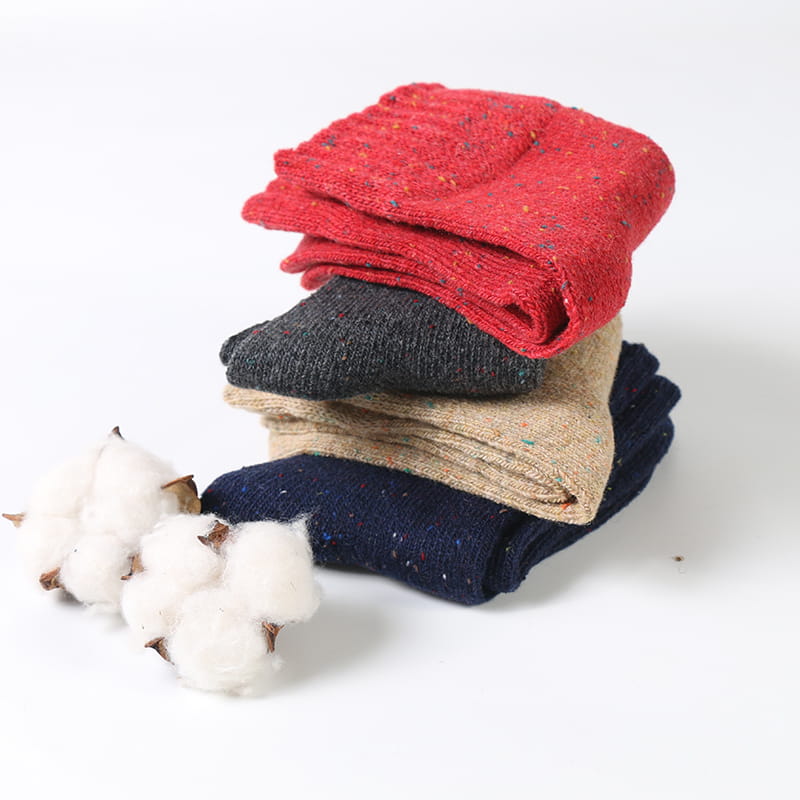
NO. WSD1425 Size EU35-39 Age Adu...
View More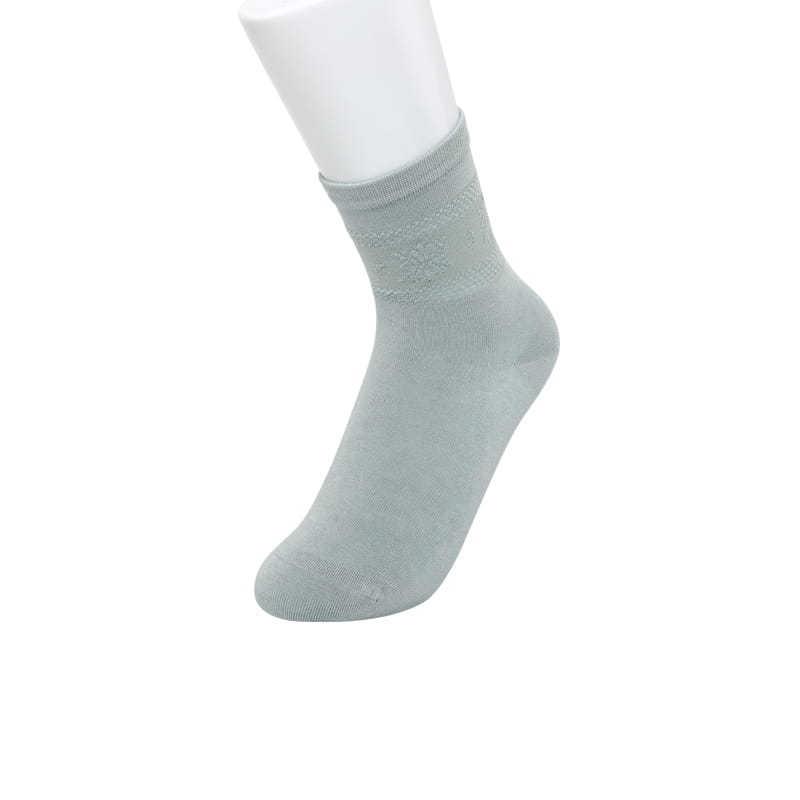
NO. WSD1523 Size EU35-39 Age Adu...
View More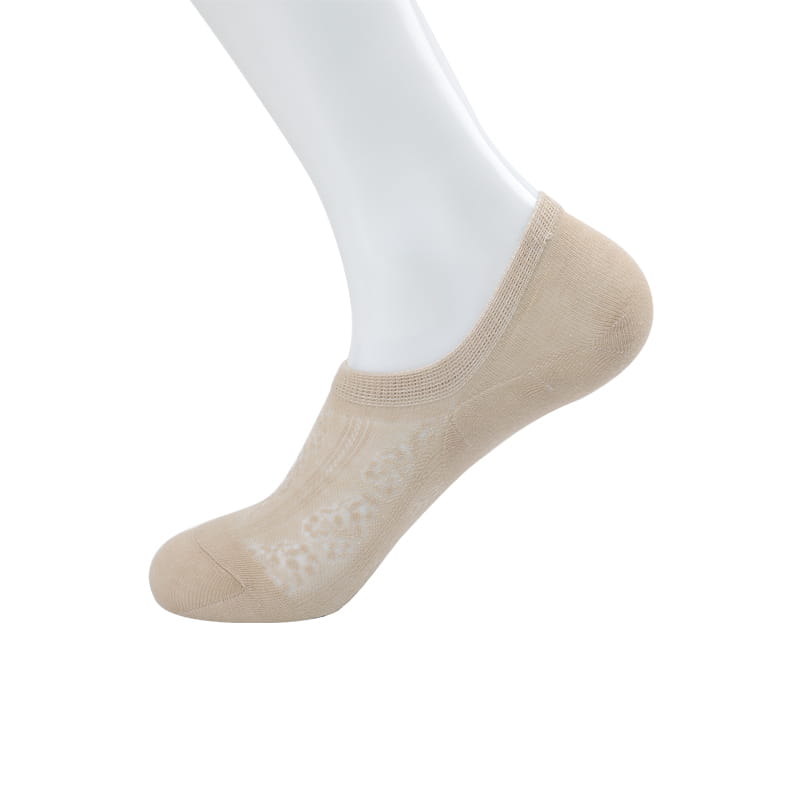
NO. WSD1491 Size EU35-39 Age Adu...
View More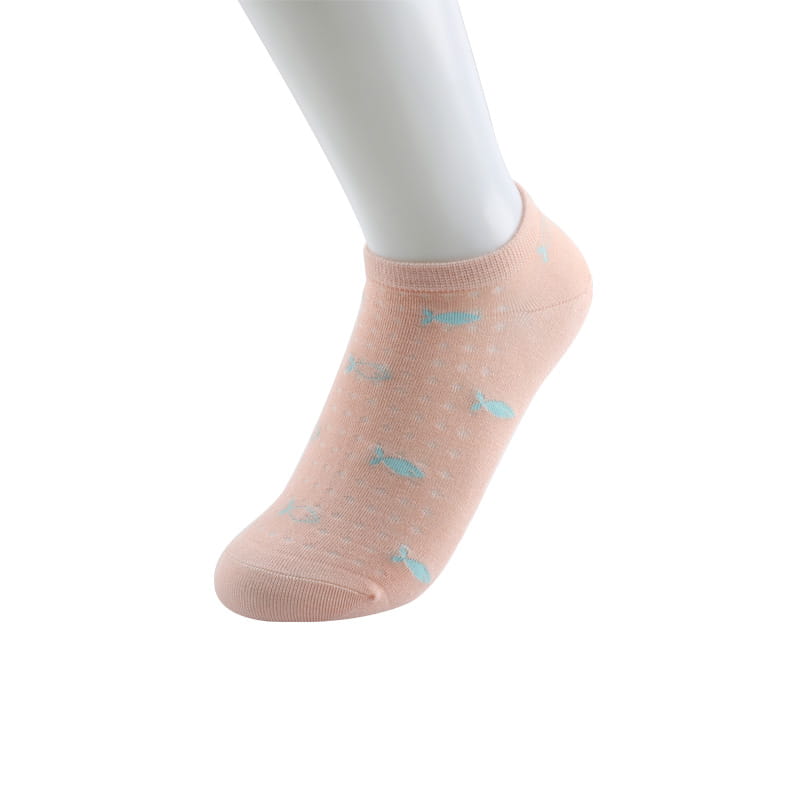
NO. WSD1301 Size EU35-39 Age Adu...
View More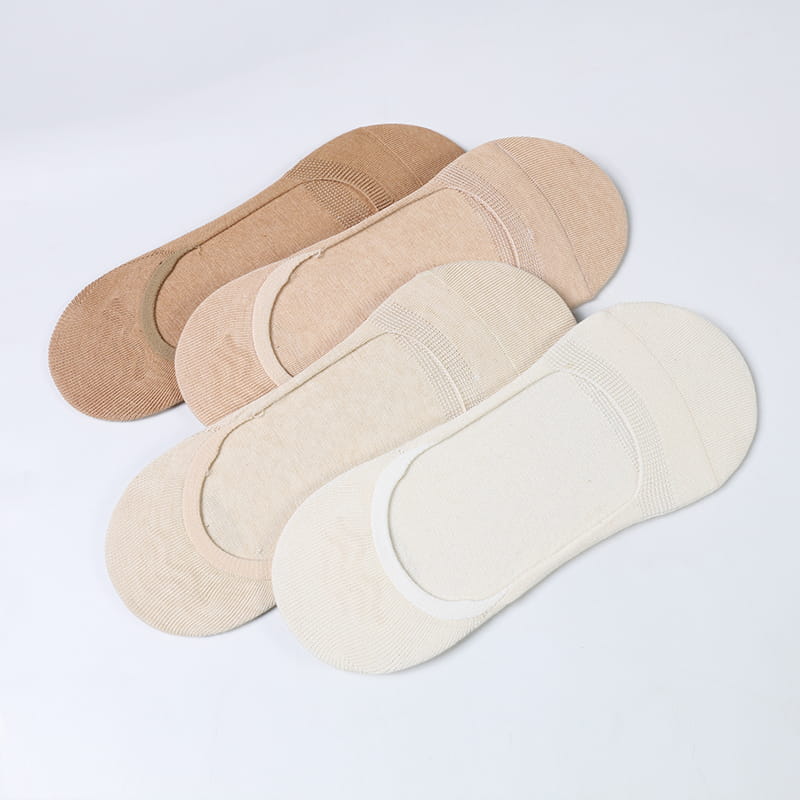
NO. WSD1400 Size EU35-39 Age Adu...
View More

+86-13586371153
+86-0573-87670680
[email protected] [email protected]
8-1 Yongsheng Road, Qianjiang Industrial Park, Dingqiao, Haining, Zhejiang, PRC
Copyright © Haining Wanshida Hosiery Co.,LTDAll Rights Reserved. China Custom Socks Manufacturers