
Content
Knee high men's socks have moved far beyond their old-school reputation as workwear or formal accessories. Today they serve athletes, commuters, travelers, and anyone who spends long hours on their feet. Unlike ankle or crew socks, knee high styles cover the calf entirely, which means better protection against chafing, more consistent temperature regulation, and a cleaner look under trousers or tall boots. For men who deal with swelling, poor circulation, or long periods of standing, the extra coverage can also translate into real physical comfort rather than just aesthetics.
Beyond function, knee high socks have become a quiet style statement. Paired with tailored trousers, they prevent the awkward gap of bare skin when sitting down. Paired with boots, they add warmth and structure without bulk. The category has grown enough that most retailers now separate knee high socks into distinct lines based on purpose: dress, athletic, compression, and outdoor.
Fabric determines how a sock performs, not just how it feels. Cotton blends are breathable and affordable, making them a solid everyday choice, but they tend to lose shape after repeated washing. Merino wool, by contrast, regulates temperature in both cold and warm conditions and resists odor naturally, which makes it a favorite for hiking or travel. Synthetic blends like nylon and spandex add stretch and durability, helping the sock stay in place through the day instead of sliding down the calf.
Not every occasion calls for knee high socks, but several situations clearly benefit from them. Business formal settings, especially those involving sitting for long meetings or travel, are a natural fit since the socks prevent skin from showing above dress shoes. Outdoor activities like hiking, cycling, or cold-weather commuting also benefit, since the extra fabric shields the shin and calf from branches, wind, and abrasion. Men who stand for long shifts at work, such as in retail, healthcare, or hospitality, often find that knee high socks reduce fatigue by supporting circulation throughout the day.
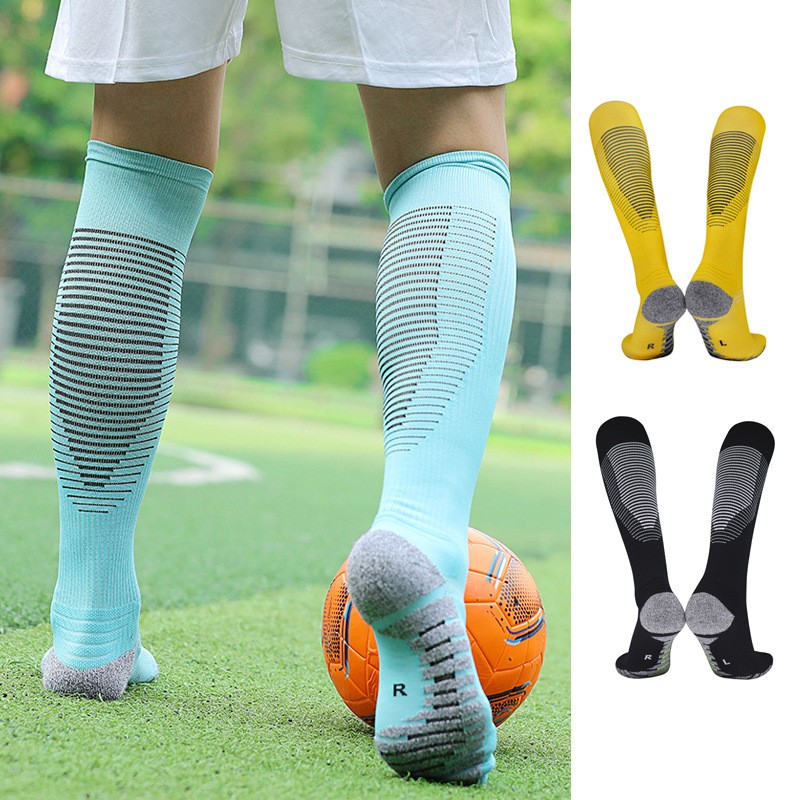
Air travel is another practical use case. Long flights slow circulation in the legs, and knee high socks, particularly compression versions, help reduce swelling and discomfort during extended sitting. Even outside of specific activities, some men simply prefer the coverage for warmth during colder months, especially when wearing boots or layered outfits.
A knee high sock that fits poorly can undo all of its benefits. If the band at the top is too tight, it can restrict blood flow and leave uncomfortable marks. If it is too loose, the sock will slide down throughout the day, defeating its purpose. The best approach is to measure calf circumference and sock length against the brand's size chart rather than relying on shoe size alone, since calf shape varies significantly between men.
Compression level is a separate consideration. Mild compression, typically in the 8-15 mmHg range, offers light support for everyday wear and travel. Moderate compression, around 15-20 mmHg, is common for athletic recovery or longer flights. Higher compression levels above 20 mmHg are generally recommended under medical guidance, particularly for men managing circulation issues, and should be chosen with input from a healthcare provider rather than guesswork.
| Compression (mmHg) | Best Use |
| 8-15 | Daily wear, mild fatigue relief |
| 15-20 | Travel, standing jobs, light athletic recovery |
| 20-30 | Medical support, under professional guidance |
Proper care extends both the lifespan and the elasticity of knee high socks. Washing them inside out in cold or lukewarm water helps preserve fiber strength and prevents pilling. Fabric softeners should generally be avoided, since they coat fibers and reduce moisture-wicking performance, especially in wool or synthetic blends. Air drying is usually the safer choice; high heat from a dryer can break down the elastic bands that keep the sock in place, shortening its useful life considerably.
Building a small rotation of knee high socks tailored to different needs is more practical than relying on a single style for everything. A few pairs in breathable cotton or wool for daily wear, one or two compression pairs for travel or long shifts, and a durable outdoor pair for hiking or cold weather cover most situations a man will encounter. Investing in accurate sizing and proper fabric choice up front saves money over time, since well-fitted socks made from quality materials simply last longer and perform better than cheaper alternatives that need frequent replacement.
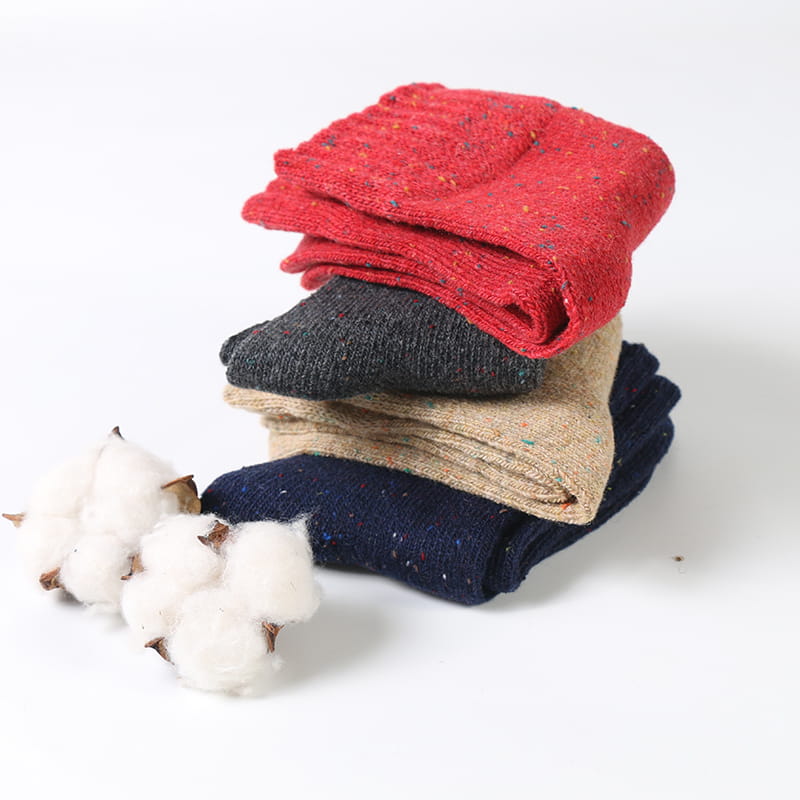
NO. WSD1425 Size EU35-39 Age Adu...
View More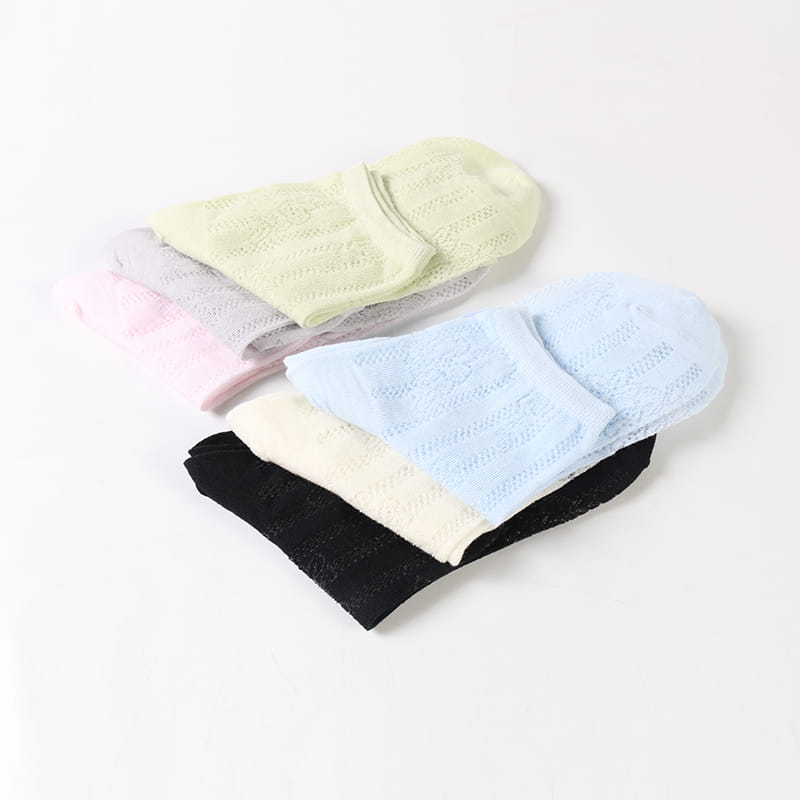
NO. WSD1761 Size EU35-39 Age Adu...
View More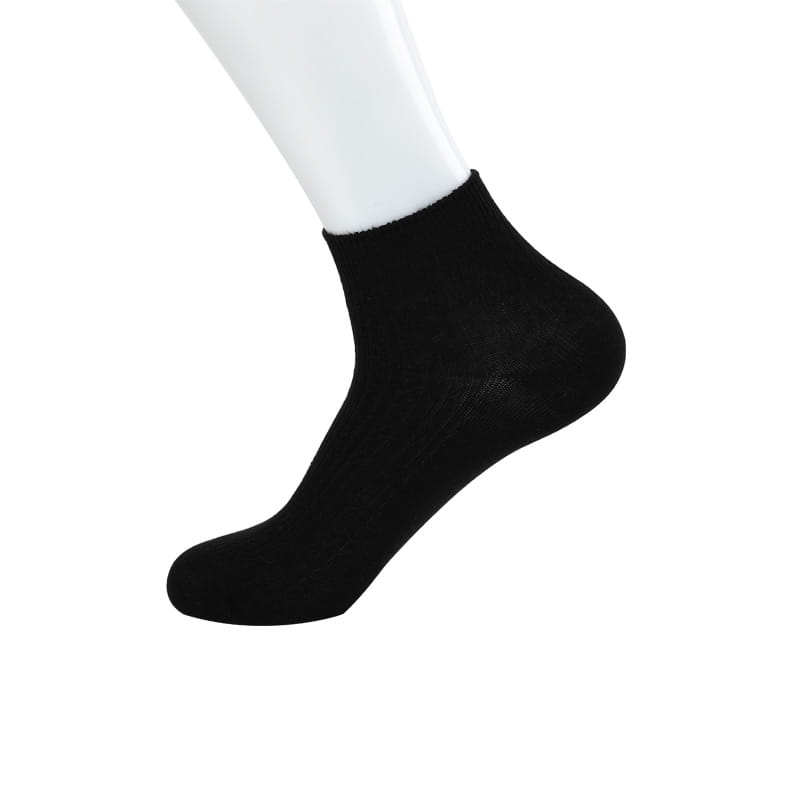
NO. WSD1231 Size EU35-39 Age Adu...
View More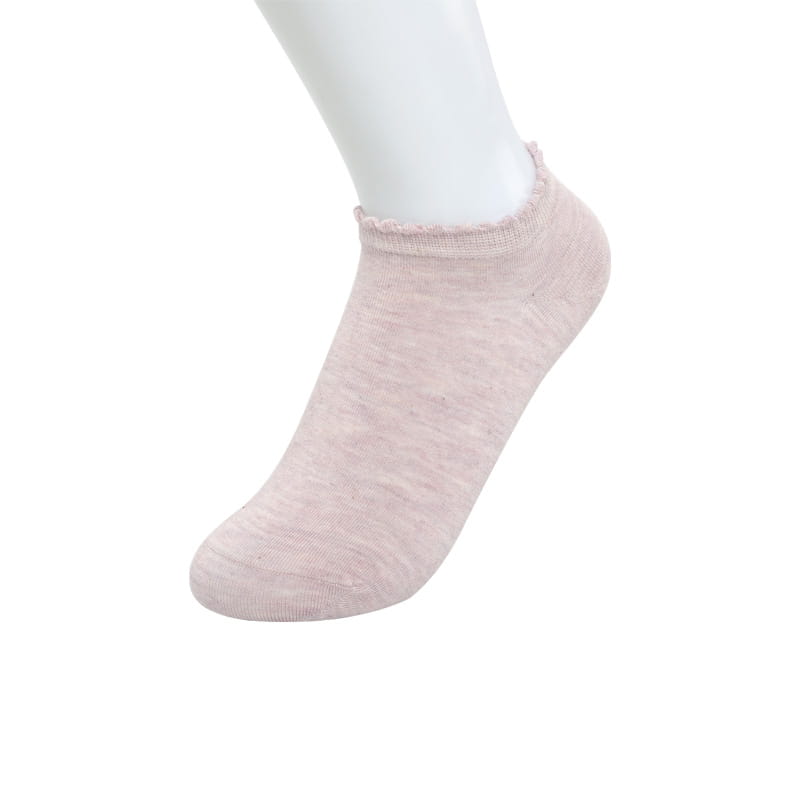
NO. WSD1290 Size EU35-39 Age Adu...
View More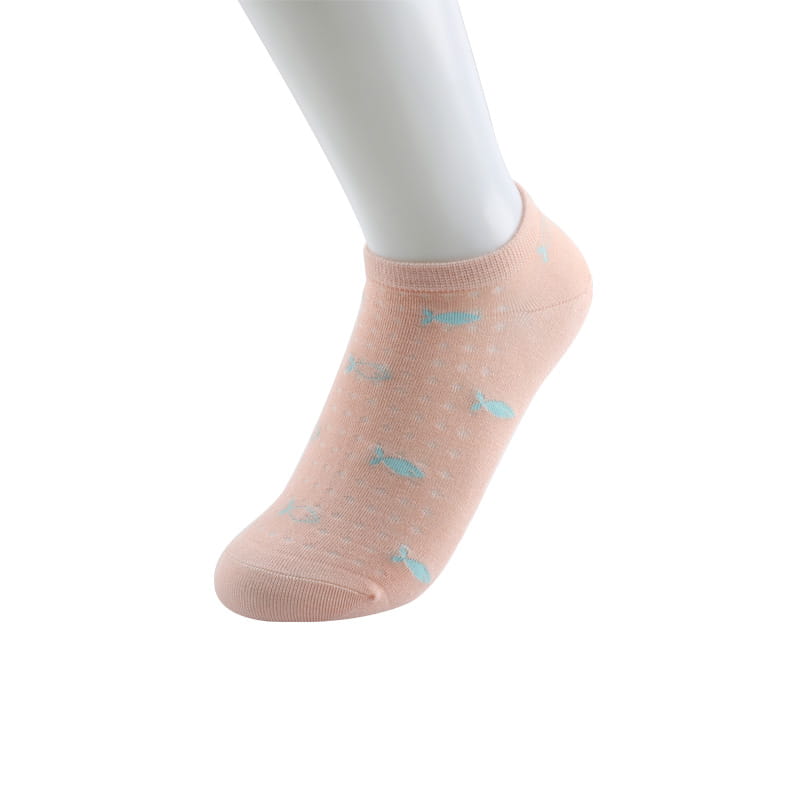
NO. WSD1301 Size EU35-39 Age Adu...
View More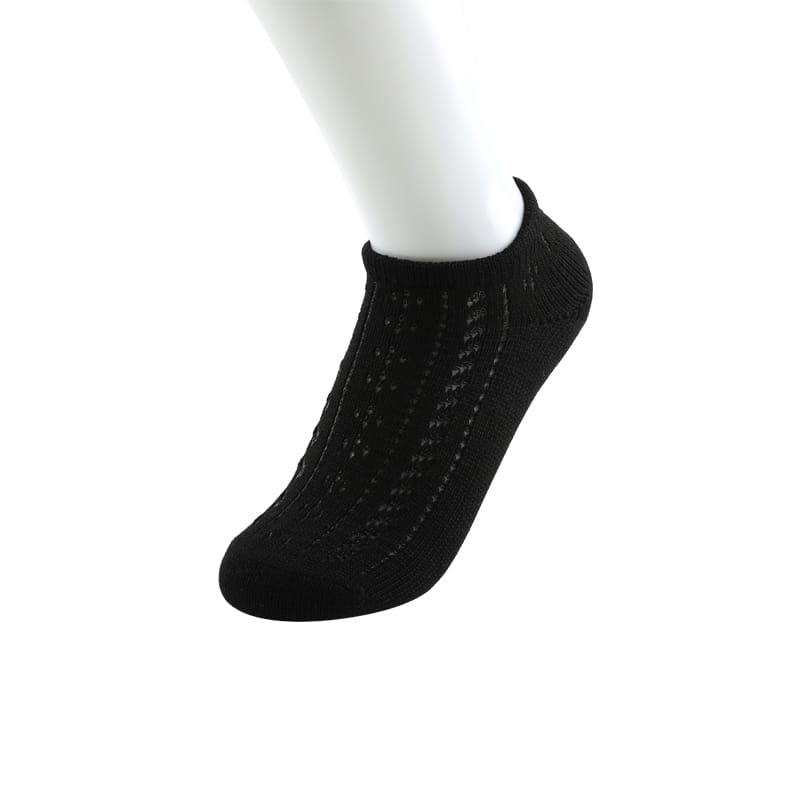
NO. WSD1421 Size EU35-39 Age Adu...
View More

+86-13586371153
+86-0573-87670680
[email protected] [email protected]
8-1 Yongsheng Road, Qianjiang Industrial Park, Dingqiao, Haining, Zhejiang, PRC
Copyright © Haining Wanshida Hosiery Co.,LTDAll Rights Reserved. China Custom Socks Manufacturers