
Content
Most people treat socks as an afterthought — something grabbed from a drawer without much consideration. But for women, the right pair of socks can make a significant difference in daily comfort, foot health, and even outfit presentation. Whether you're on your feet all day at work, hitting the gym, or simply lounging at home, the socks you wear directly affect blister formation, moisture levels, temperature regulation, and overall wellbeing. Understanding what makes a great pair of women's socks helps you invest wisely and avoid the frustration of constantly replacing low-quality pairs.
The material of a sock determines almost everything about how it performs. Different fabrics serve different purposes, and knowing the distinctions helps you match your socks to your lifestyle and needs.
Cotton is the most widely used fabric in women's socks, prized for its softness and breathability. It's ideal for everyday casual wear and works well in moderate temperatures. However, pure cotton retains moisture rather than wicking it away, making it a poor choice for intense physical activity. When cotton gets wet from sweat, it stays damp and can increase the risk of blisters and fungal issues. For light daily use, cotton is comfortable and affordable, but look for combed or ring-spun cotton for a noticeably softer feel.
Merino wool is considered one of the premium sock materials available. It naturally regulates temperature, keeping feet warm in cold weather and cool when it's hot. More importantly, merino wool wicks moisture away from skin efficiently and has natural antimicrobial properties, meaning your socks stay fresher for longer even after extended wear. It's an excellent choice for hiking, travel, and anyone prone to sweaty or odor-prone feet. Despite being wool, high-quality merino feels remarkably soft and non-itchy against the skin.
Synthetic materials are commonly blended into women's socks to enhance durability, stretch, and shape retention. Nylon adds strength and helps socks resist wear at high-friction areas like the heel and toe. Polyester contributes to moisture-wicking performance. Spandex or elastane provides the elasticity that keeps socks fitting snugly without sliding down. Most well-engineered socks use a blend — for example, 60% cotton with 35% nylon and 5% spandex — to combine the benefits of each fiber.
Bamboo-derived fabric (often listed as bamboo viscose or bamboo rayon) has grown in popularity thanks to its eco-friendly profile and exceptional softness. Bamboo socks are naturally breathable, moisture-wicking, and hypoallergenic, making them a solid choice for women with sensitive skin. They tend to have a silky texture that feels luxurious, and they hold up reasonably well with proper care.
Sock length is not merely a style preference — it's a functional decision that affects comfort, outfit compatibility, and foot protection. Here's a breakdown of the most common lengths and when to wear them:
| Sock Length | Best For | Footwear Pairing |
| No-show / Invisible | Low-cut sneakers, flats, loafers | Casual, warm weather outfits |
| Ankle | Everyday wear, light sports | Sneakers, canvas shoes |
| Crew | General use, cooler weather | Boots, high-top sneakers |
| Knee-high | Fashion, compression, hiking | Boots, skirts, dresses |
| Over-the-knee | Fashion-forward, cold weather | Ankle boots, thigh-high boots |
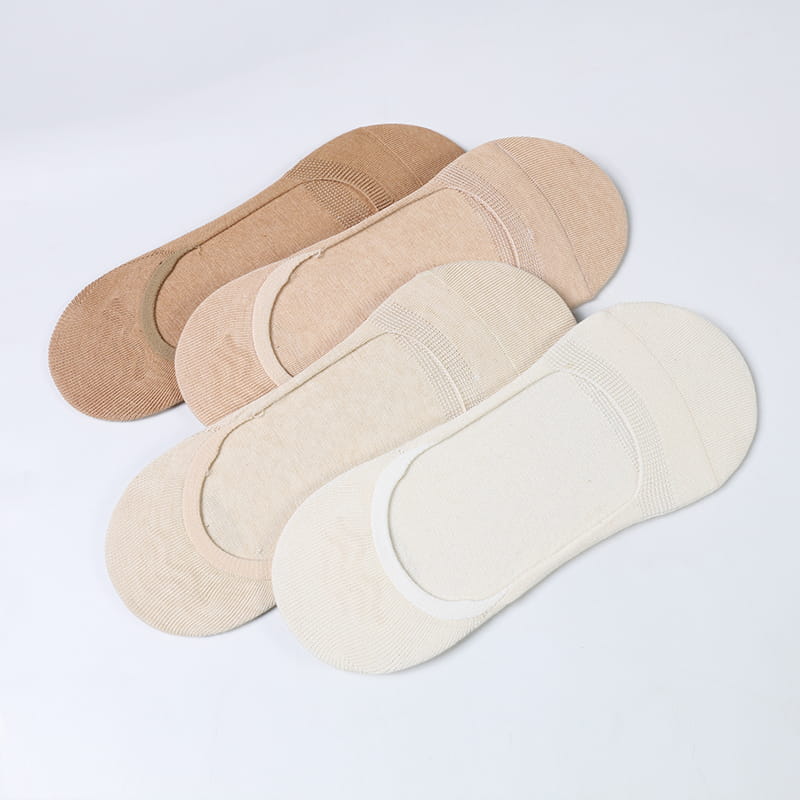
No-show socks are among the most popular for women because they provide foot protection without visible sock lines — critical when wearing low-cut shoes with cropped pants or dresses. Crew socks have made a strong fashion comeback and work well in both casual and athleisure contexts. Knee-highs are especially practical during colder months when worn inside tall boots.
Not all socks are built for the same purpose. Wearing the wrong type for a given activity can lead to discomfort, injury, or premature wear. Here's what to look for based on your lifestyle:
Athletic socks for women should prioritize moisture management, cushioning, and blister prevention. Look for socks with targeted padding in the heel and forefoot, arch support bands, and seamless toe construction to minimize friction. Synthetic blends or merino wool perform best here. Brands like Balega, Darn Tough, and Bombas have developed running-specific designs that reduce hot spots and keep feet dry through intense workouts.
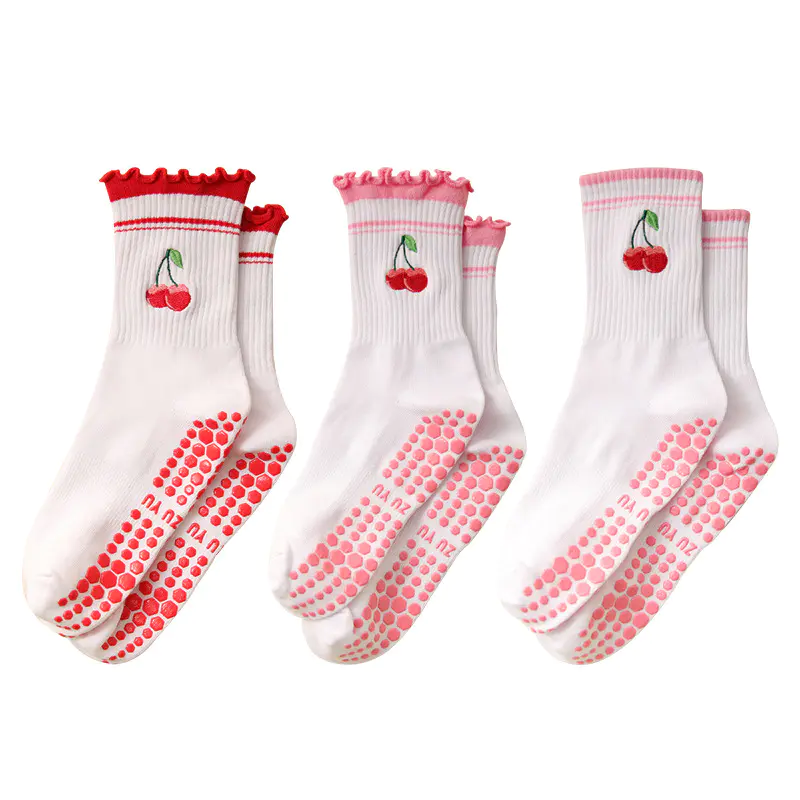
For hiking, a thicker, cushioned crew or knee-high sock in merino wool or a wool blend is the gold standard. The extra padding protects against rocky terrain and long hours in stiff boots. Look for reinforced heel and toe sections, moisture-wicking properties, and a snug fit that prevents bunching inside your boot — because even a small fold in the sock can cause significant blisters over a long trail.
When wearing dress shoes or heels for long periods, comfort and discretion are the priorities. No-show or ankle socks in thin cotton or bamboo blends keep feet comfortable without altering the look of your outfit. Some women prefer sheer hosiery, but dedicated thin dress socks offer better moisture management and are less prone to runs. Look for flat toe seams and silicone heel grips to prevent slipping.
Cozy socks for home use are all about softness and warmth. Fuzzy socks with plush inner lining, cable-knit crew socks, or thick wool socks are perfect for relaxing at home. Slipper socks with non-slip grips on the sole add a safety element, especially on hardwood or tiled floors. Cashmere-blend lounge socks are a genuine luxury worth considering if you spend a lot of time barefoot indoors.
Once you know the material and length you need, there are a few other construction details that significantly affect how a sock performs over time:
Even the highest-quality socks will deteriorate quickly if cared for improperly. Following a few simple practices can double or triple their lifespan:
Rather than buying socks randomly, a thoughtful sock wardrobe covers all your needs without excess. A well-rounded collection might include: three to five pairs of no-show socks for everyday casual shoes, two to three pairs of cushioned athletic socks for workouts, two to three pairs of crew socks for cooler days and boots, one to two pairs of thick wool or merino socks for hiking or cold weather, and one to two pairs of cozy lounge socks for home. Investing in quality over quantity pays off in the long run — a pair of well-made merino socks may cost several times more than a budget cotton pair but will outlast it by years while consistently delivering better performance and comfort.
Ultimately, the best women's socks are the ones that match your specific activities, fit your feet properly, and are made from materials suited to the conditions you face daily. By paying attention to fabric, construction, and care, you transform what most people treat as a mundane purchase into a genuinely satisfying and health-supporting one.
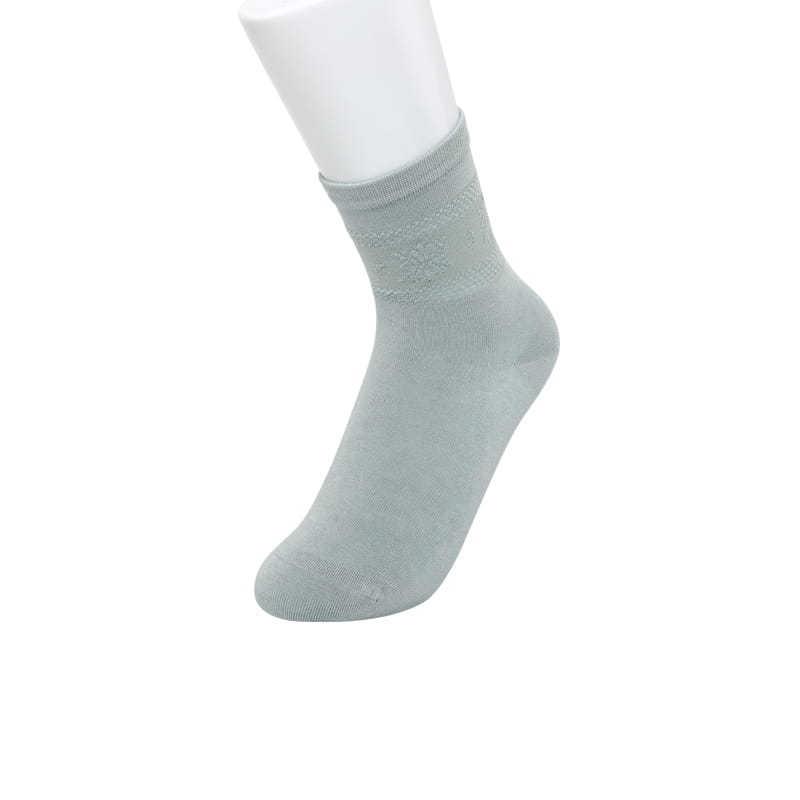
NO. WSD1523 Size EU35-39 Age Adu...
View More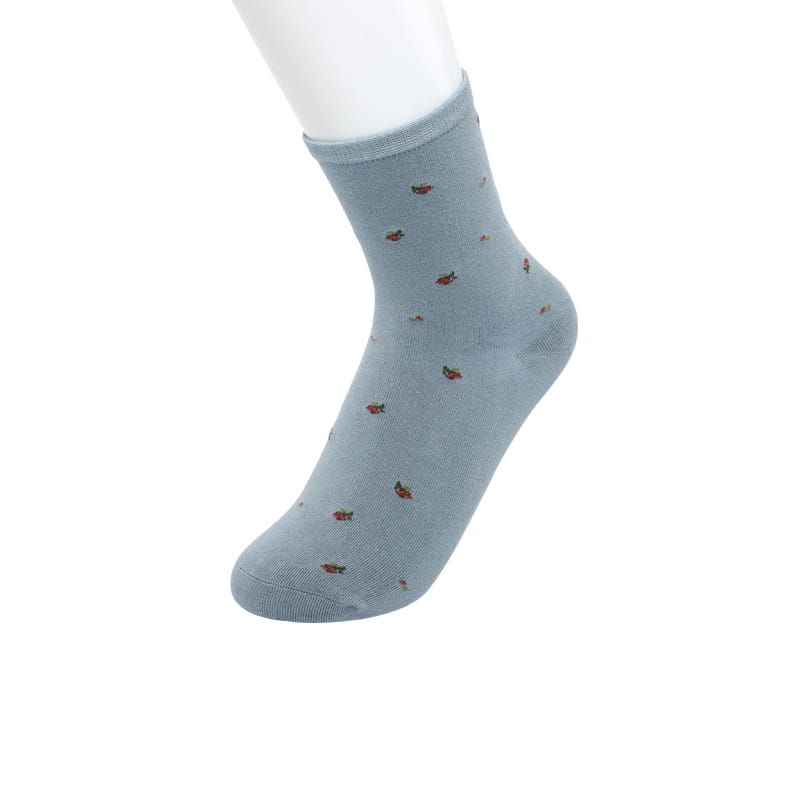
NO. WSD1743 Size EU35-39 Age Adu...
View More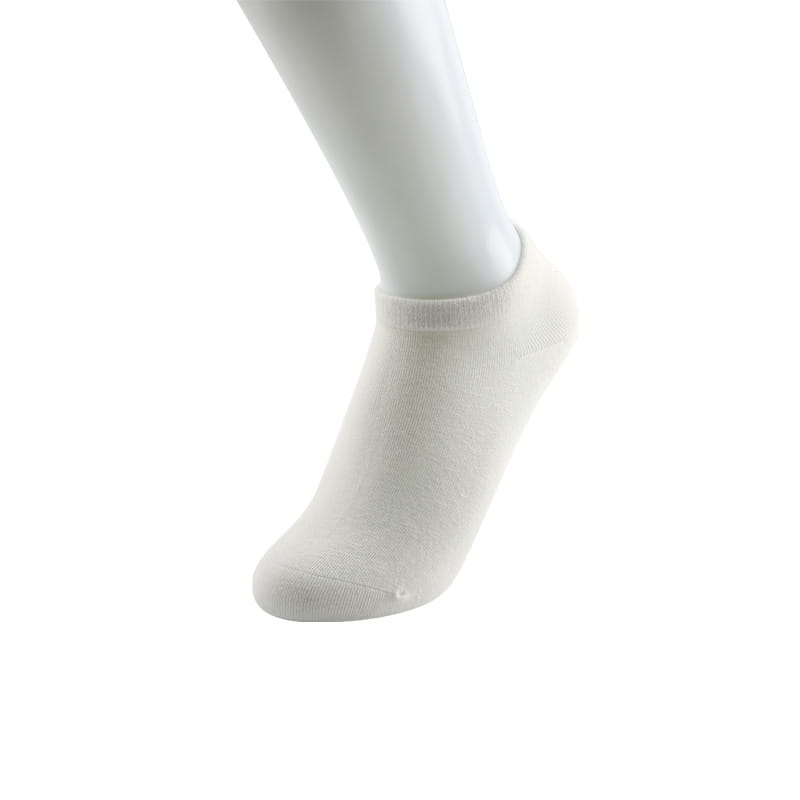
NO. WSD1400 Size EU35-39 Age Adu...
View More
NO. WSD1092 Size EU35-39 Age Adu...
View More
NO. WSD1142 Size EU35-39 Age Adu...
View More

+86-13586371153
+86-0573-87670680
[email protected] [email protected]
8-1 Yongsheng Road, Qianjiang Industrial Park, Dingqiao, Haining, Zhejiang, PRC
Copyright © Haining Wanshida Hosiery Co.,LTDAll Rights Reserved. China Custom Socks Manufacturers