
Content
Your feet carry you everywhere, yet they're often the most neglected part of your body when it comes to warmth and comfort. If you've ever peeled off your socks at the end of the day only to find deep, red ring marks pressed into your skin, you're not alone. Millions of people deal with this daily, and many don't realize that the same socks causing those indents might not even be doing a good job of keeping feet warm. This article breaks down the real reasons socks leave marks, what makes a sock genuinely warming, and how to find the perfect pair that does both jobs well.
The indentations socks leave behind are caused by a combination of elastic pressure, fluid dynamics in your body, and fabric tension around the ankle or calf. When a sock's elastic band is too tight, it restricts the flow of blood and lymphatic fluid in your lower leg. Over several hours, this causes the surrounding tissue to swell slightly around the compression point, and when the sock is removed, the compressed zone appears sunken compared to the puffier areas beside it.
This is especially common in the late afternoon and evening because your body naturally retains more fluid in the lower extremities as the day goes on, a result of gravity and prolonged standing or sitting. The elastic band doesn't change — but your tissue does, making the indent more pronounced by dinnertime than it was at breakfast.
Most socks use a knitted-in elastic or spandex blend around the cuff to keep them from sliding down. The tension required to hold a sock in place is surprisingly high, and budget or low-quality socks often use thicker, stiffer elastic to compensate for weaker fabric. This creates a tourniquet-like band around your lower leg. Higher-quality socks distribute pressure more evenly using graduated elastic or wider cuffs woven with a gentler yarn blend.
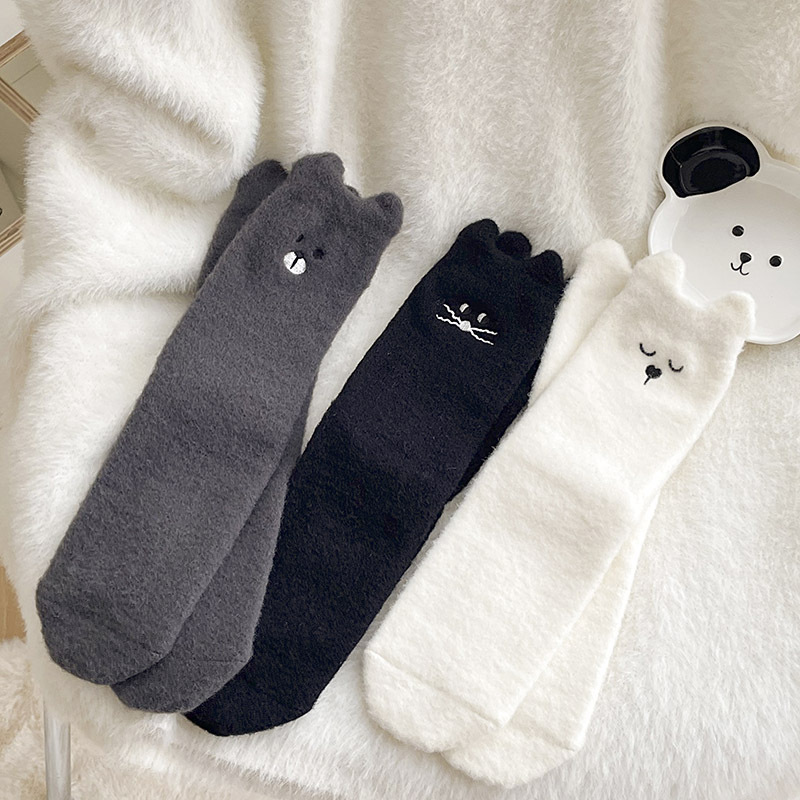
Occasional, mild sock marks are normal and usually fade within 30 minutes. However, if your indents take hours to disappear, appear very deep, or are accompanied by persistent puffiness, discoloration, or pain, this could indicate peripheral edema — a condition where excess fluid accumulates in your lower legs. This can be linked to heart, kidney, or vascular issues and warrants a conversation with your doctor. Don't dismiss persistent sock marks as a sock problem alone.
Not all "warm" socks are created equal. Many socks marketed as cozy or thermal are simply thick, which is not the same as thermally efficient. True warmth comes from a sock's ability to trap air close to the skin, manage moisture, and maintain its insulating properties even when damp — because sweaty feet lose heat rapidly.
A thick cotton sock feels warm when dry, but cotton absorbs moisture and holds it against your skin. Once your feet perspire even slightly, cotton socks become cold, clammy insulators. Genuinely warm socks use fibers that insulate through trapped air pockets and still wick moisture away. Merino wool is the gold standard here — it can hold up to 30% of its weight in moisture while still feeling dry to the touch and maintaining its loft and warmth.
| Material | Moisture Wicking | Best For |
| Merino Wool | Excellent | Everyday wear, hiking, cold climates |
| Alpaca | Good | Extreme cold, sensitive skin |
| Cashmere | Moderate | Lounging, low-activity warmth |
| Thermal Synthetics (e.g., Thermolite) | Very Good | Active use, sports, budget option |
| Cotton | Poor | Warm, dry conditions only |
Finding the ideal sock requires balancing insulation performance with comfort engineering. There are specific features to look for that directly address both warmth and the indent problem simultaneously.
Many specialty and therapeutic sock brands now offer what's labeled as "non-binding" or "comfort top" cuffs. These cuffs use a looser, wider knit with a lower elastic content — typically less than 5% spandex — so they stay up without gripping. Brands marketed toward people with diabetes or circulation issues often excel here, but these socks work for everyone. Look for terms like "extra wide top," "diabetic-friendly," or "relaxed fit cuff" when shopping.
Most people buy socks in vague size ranges like "shoe size 6–12," but wearing a sock that's even half a size too small dramatically increases elastic tension across your ankle and instep. When the fabric is stretched beyond its intended range, the elastic works overtime to compensate, digging into your skin far more aggressively. Try to match your socks to a more precise size range, and if you're between sizes, always size up rather than down for warming socks you'll wear for long periods.
A sock that uses extra cushioning underfoot doesn't just add comfort — the additional fabric layer creates a thicker air-trapping zone beneath your foot, which is where heat loss is most significant when standing on cold floors or inside shoes. Terry-loop cushioning, in particular, is a knitting technique that creates a dense internal surface without adding uncomfortable bulk on the outside of the sock.
Even with the best socks, your daily habits play a big role in how severe sock marks become. Several simple adjustments can significantly reduce or eliminate the problem without requiring you to replace your entire sock drawer.
One highly effective but often overlooked strategy for cold feet is sock layering — wearing a thin liner sock beneath a thicker outer sock. The liner sock, typically made from a moisture-wicking synthetic or thin merino, keeps sweat away from the skin. The outer sock then provides the main insulation layer. Because each sock can be sized to fit loosely on its own, the combined pressure on your ankle is often less than a single tightly fitted thick sock would create.
This technique is standard practice in hiking and mountaineering communities, where both warmth and circulation are critical. The two-sock system also allows you to replace only the sweaty liner between activities without removing the outer insulating layer, making it practical for long days outdoors or travel.
To summarize your shopping criteria in one place, here are the key features that distinguish a genuinely warming, indent-preventing sock from one that simply looks cozy on the shelf:
Cold feet and sock indents are both solvable problems, and the solution is often the same: invest in well-constructed socks made from the right materials, sized correctly for your foot. Understanding the mechanics behind both issues empowers you to make smarter choices — and to notice when those marks might be telling you something more important about your health.
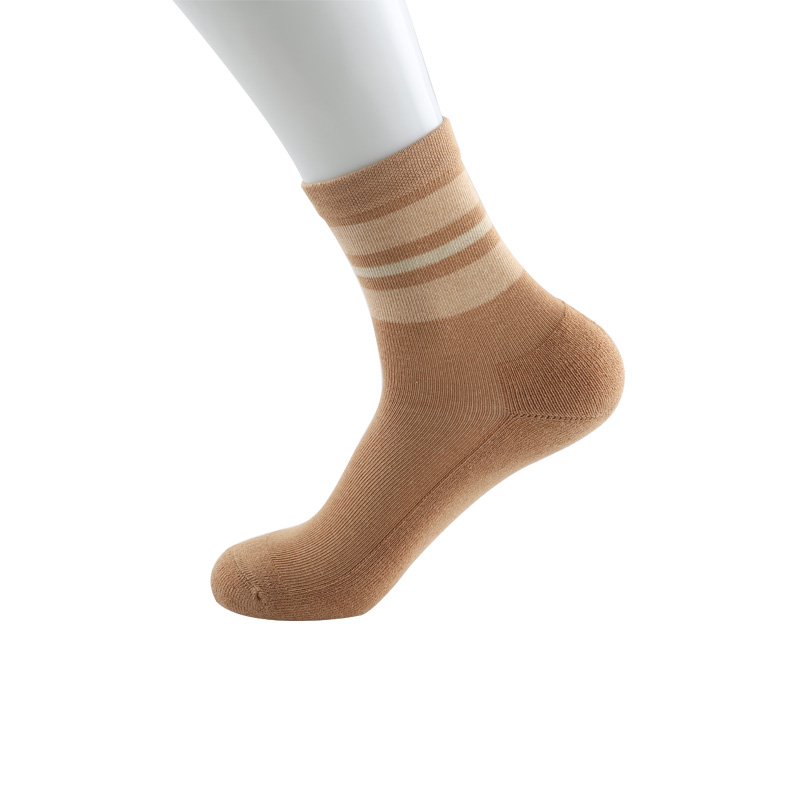
NO. WSD1042 Size EU35-39 Age Adu...
View More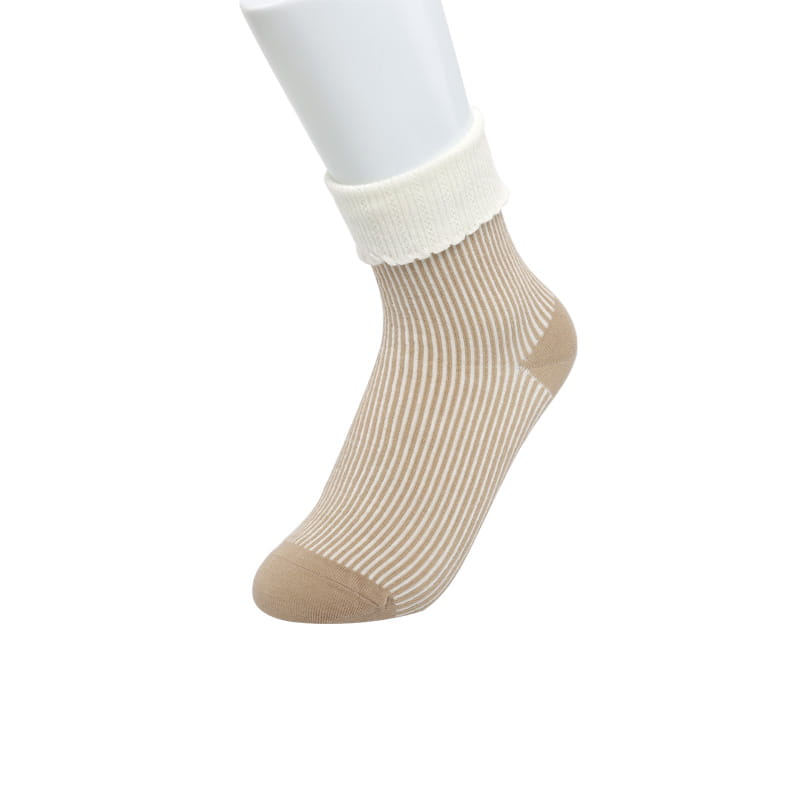
NO. WSD1321 Size EU35-39 Age Adu...
View More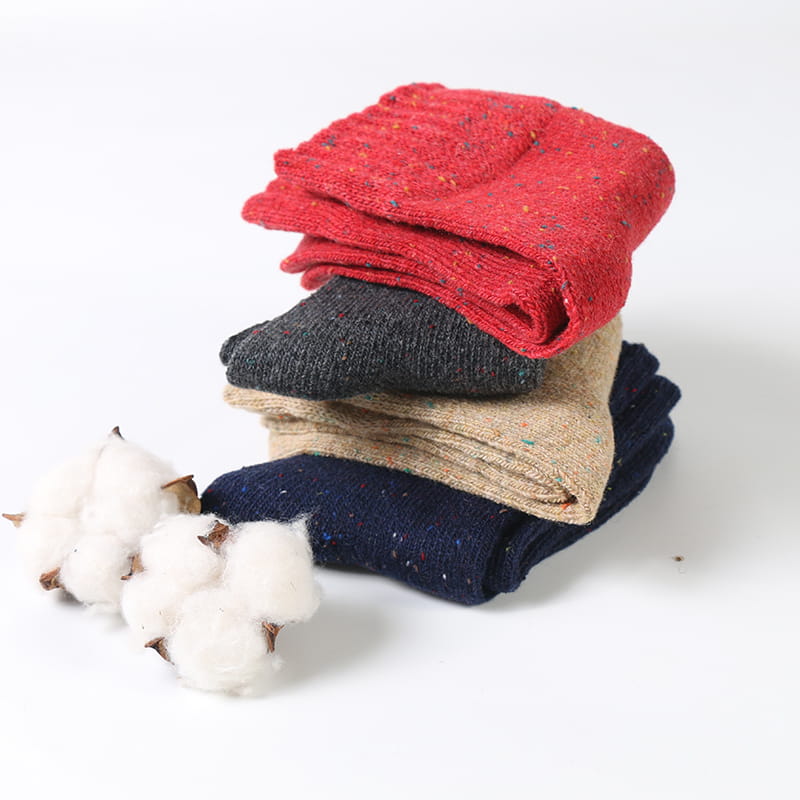
NO. WSD1425 Size EU35-39 Age Adu...
View More
NO. WSD1421 Size EU35-39 Age Adu...
View More
NO. WSD1512 Size EU35-39 Age Adu...
View More
NO. WSD1133 Size EU35-39 Age Adu...
View More

+86-13586371153
+86-0573-87670680
[email protected] [email protected]
8-1 Yongsheng Road, Qianjiang Industrial Park, Dingqiao, Haining, Zhejiang, PRC
Copyright © Haining Wanshida Hosiery Co.,LTDAll Rights Reserved. China Custom Socks Manufacturers