
Dear friends, have you ever had the trouble of spending a lot of money on a pair of high-quality pure wool socks, only to find a layer of fuzz on the surface after wearing them a few times? Have you ever wondered, 'Even though it's real wool, why does it still pill?'
Today, let's uncover the secret of pilling wool socks!
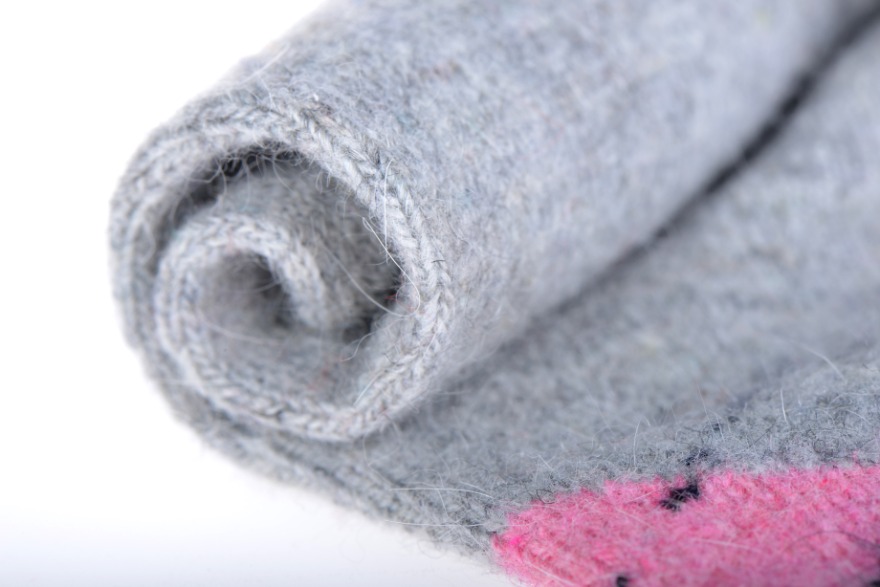
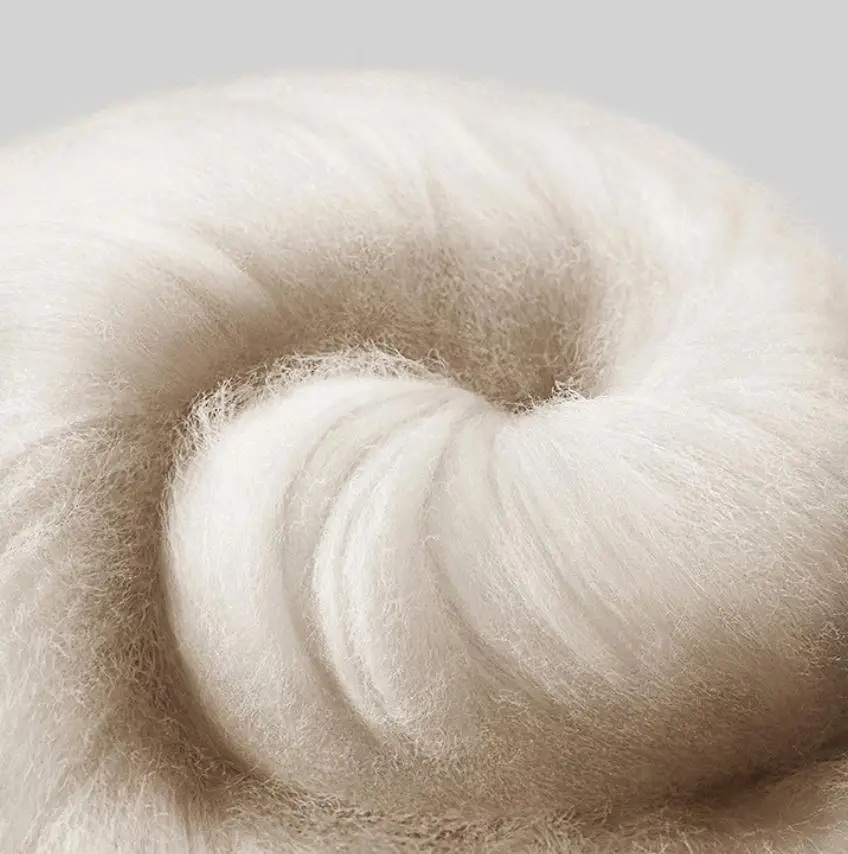
The truth of pilling: the essential characteristics of wool fibers
Firstly, we need to understand a key point: pilling does not equate to poor quality. In fact, pilling of pure natural wool socks is a normal phenomenon, which is directly related to their fiber properties.
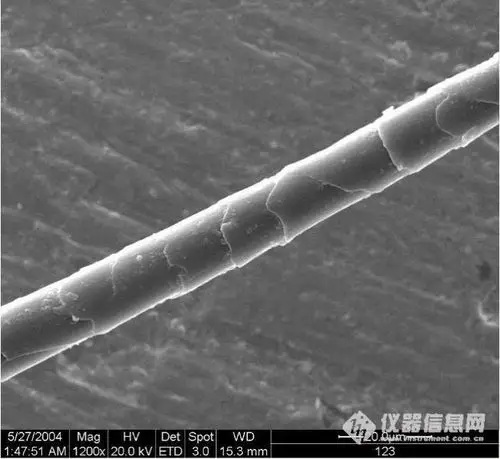
The surface of wool fibers is covered with tiny scale structures, which rub against each other during wearing and washing, causing the fibers to break and curl into balls. High quality wool fibers are longer and more elastic, but they are more prone to producing small wool balls due to friction.
Why do my woolen socks have pilling? Analysis of the Four Major Reasons
1. Friction is inevitable
Socks are the clothing that comes into closest contact with shoes and feet. Every day when walking, there is constant friction between the socks and the inside of the shoes, the skin of the feet, and the fibers of the body. This friction is the main cause of pilling.
2. Influence of fiber length
Shorter wool fibers are more likely to "escape" from the fabric and form wool balls. Some high-quality wool uses longer fibers, but still cannot completely avoid pilling.
3. Differences in weaving techniques
Different weaving densities and techniques can affect the degree of pilling in socks. Generally speaking, socks with looser weaving are more prone to pilling.
4. Wearing and maintenance habits
Wearing the same pair of socks too frequently or using improper washing methods (such as using overheated water, strong rubbing, etc.) can accelerate the pilling process.
How to reduce pilling of wool socks?
Daily wearing tips:
Alternate wearing a few pairs of woolen socks and give each pair of socks time to 'rest and recover'
Choose shoes that fit snugly and have a smooth lining to reduce friction
Avoid direct contact between wool socks and rough surfaces
Correct washing guide:
Wash with cold or warm water, avoid hot water
Choose wool specific detergent
Hand washing or using the gentle mode of the washing machine
Avoid wringing out, gently squeeze to remove excess moisture, and lay flat to dry
Go ball tips:
Use a specialized hair ball trimmer (be careful not to cut the socks themselves)
Gently scrape the hair ball with a razor
Gently wipe the pilling area with a sponge or sandpaper
The value of high-quality wool socks lies in
Although pilling may occur, high-quality woolen socks are still worth investing in:
Excellent insulation performance, a winter warmth artifact
Excellent moisture absorption and sweat wicking ability, keeping feet dry and comfortable
Natural antibacterial and deodorizing properties
Excellent elasticity, comfortable to wear without tightness
Conclusion: Accepting the 'small drawbacks' of wool
Just like natural wood has texture and handmade products have minor flaws, pilling of wool socks is a manifestation of their natural properties. This does not mean that there is a problem with the quality, but rather proves to some extent the authenticity of the material.
The next time you see the small wool ball on the woolen socks, you may want to think from a different perspective: this is the trace of your life wearing it, a witness of the natural material and your shared experience.
Remember, proper care and proper maintenance can keep your woolen socks warm and long-lasting. Cherish these natural gifts and enjoy the comfort and warmth they bring!
NO. WSD1310 Size EU35-39 Age Adu...
View More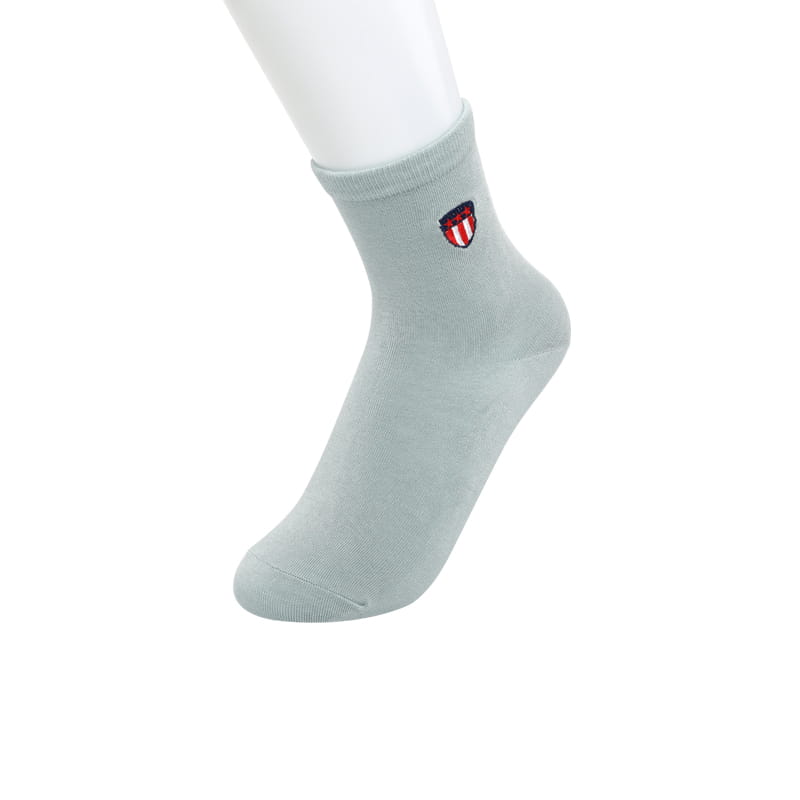
NO. WSD1501 Size EU35-39 Age Adu...
View More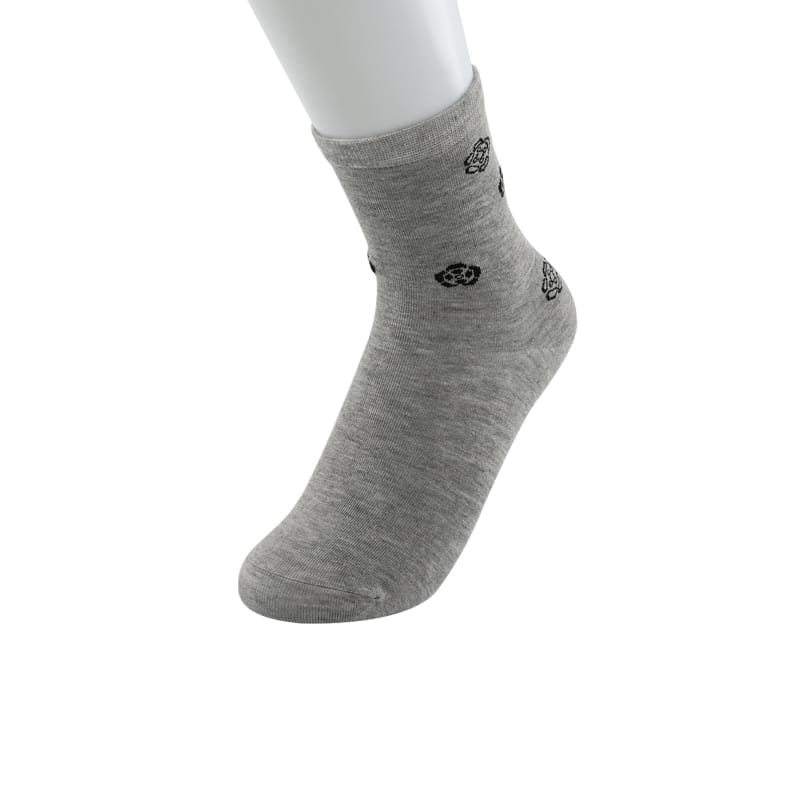
NO. WSD1525 Size EU35-39 Age Adu...
View More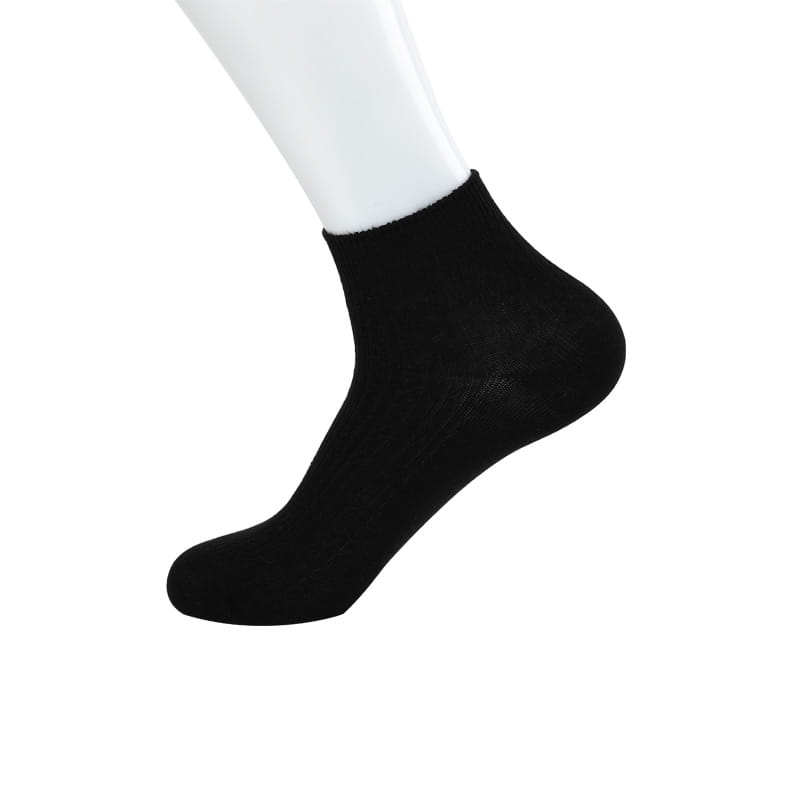
NO. WSD1231 Size EU35-39 Age Adu...
View More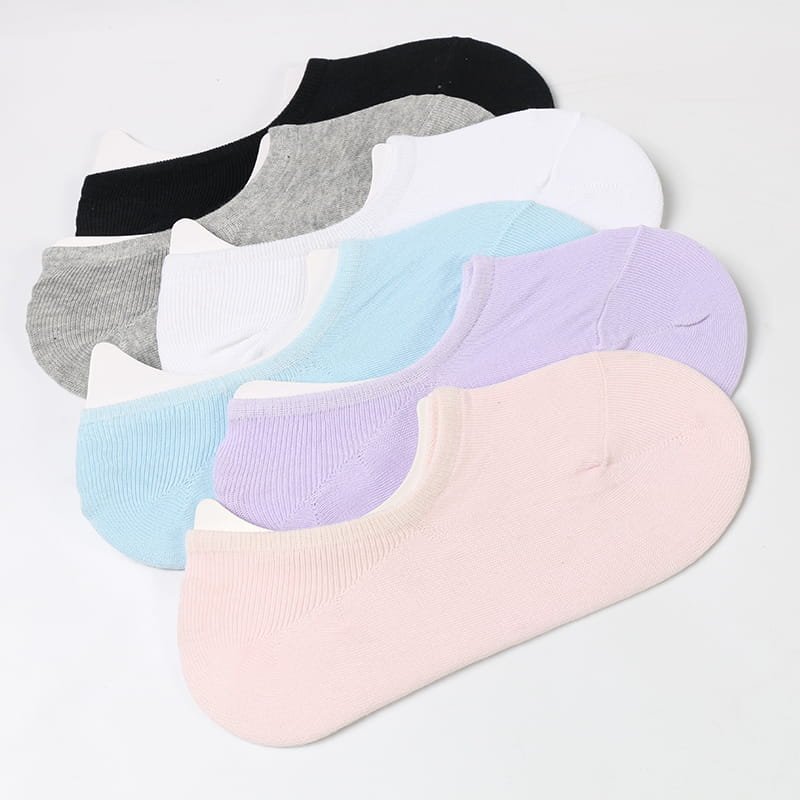
NO. WSD1242 Size EU35-39 Age Adu...
View More
NO. WSD1140 Size EU35-39 Age Adu...
View More

+86-13586371153
+86-0573-87670680
[email protected] [email protected]
8-1 Yongsheng Road, Qianjiang Industrial Park, Dingqiao, Haining, Zhejiang, PRC
Copyright © Haining Wanshida Hosiery Co.,LTDAll Rights Reserved. China Custom Socks Manufacturers