
Content
Short boots are some of the most practical shoes in a wardrobe, but they create a small styling gap that many people overlook. The shaft often ends just above the ankle, so the sock can disappear, peek out neatly, or bunch in an uncomfortable way. That is why the question of socks to wear with short boots is really about three things: boot height, fabric weight, and the look you want to create.
We have spent years producing socks for casual, outdoor, athletic, and fashion collections, and the same rule keeps coming back. A good sock should protect the skin, stay in place, and make the boot easier to wear. Trend comes after that. Whether you are styling a pair for yourself or developing a range for a store, the best choices usually feel simple rather than fussy.
Short boots include ankle boots, Chelsea boots, chukkas, lace-up work boots, and hiking-inspired styles. Their shafts can be close-fitting or roomy, soft or structured, and that changes how a sock behaves. A thick ribbed crew sock may look intentional under a loose boot, but the same sock can feel cramped inside a slim ankle boot. A thin no-show sock may work well with a deep bootie, yet it can slip down when the boot shaft is lower.
The sock also acts as a barrier between skin and boot lining. Seams, dye transfer, friction, and moisture all matter more when the boot covers the ankle. For daily wear, look for smooth toe seams, breathable yarns, and a heel that stays put. If you are comparing basic silhouettes first, this complete guide to sock types is a useful reference before narrowing down height and material.
There is no single sock height that suits every short boot. The right choice depends on how much of the sock you want to show and how much room the boot leaves around the ankle.
For a clean line, choose a low-cut or ankle sock that sits just below the boot edge. If the boot is deep and covers the ankle bone, a no-show sock can work, provided it has a silicone grip or a well-shaped heel. If the boot edge sits lower, a fine ankle sock prevents rubbing without adding bulk.
These styles often look best with a small, deliberate cuff. A quarter sock or a light crew sock can show just enough to frame the ankle. Keep the fabric smooth if the boot is slim. Ribbed cotton or a cotton-rich blend adds texture without making the boot feel tight.
Lace-up boots and hiking styles benefit from a cushioned footbed and a sock that covers the ankle bone. A quarter or crew sock in merino wool or a moisture-wicking blend helps reduce friction on longer walks. Avoid very tall socks that fold down inside the boot, because folds can create pressure points.
| Boot style | Suggested sock height | Suggested weight | Typical look |
|---|---|---|---|
| Fitted ankle boot | No-show or fine ankle | Light | Clean and hidden |
| Chelsea boot | Ankle or quarter | Light to medium | Small visible cuff |
| Chukka boot | Quarter or light crew | Medium | Relaxed and textured |
| Lace-up work boot | Quarter or crew | Medium to cushioned | Practical and sturdy |
| Hiking short boot | Crew | Cushioned | Outdoor and supportive |
For rugged short-boot ranges, a cushioned merino work sock is often the most versatile base. It covers the ankle, manages moisture, and has enough structure to look intentional when the boot is worn with jeans or trousers.
Fabric decides whether a sock feels cool, warm, smooth, or bulky inside a short boot. Combed cotton is soft and familiar for everyday wear, but it holds moisture longer than wool blends. Merino wool regulates temperature and resists odor, which makes it a strong choice for boots worn across seasons. Bamboo fiber and modal feel smooth and breathable, while a small amount of nylon or elastane improves stretch and recovery.
Weight matters as much as fiber. A thin sock suits a close-fitting boot and a streamlined outfit. A medium-weight sock adds cushioning without crowding the toe box. A thick terry sock is better reserved for roomy boots, cold weather, or workwear where cushioning is the priority. If the boot already fits snugly, a thick sock can change the fit and cause pressure across the instep.
For winter short boots, a merino or wool-blend sock with a reinforced heel and toe gives warmth without excessive bulk. A slightly thicker cuff can also stop the sock from sliding down inside the boot.
With short boots, the sock is often visible for only a few centimeters, so small details have more impact. A tonal sock creates a continuous line from trouser to boot. A contrasting cuff adds a clear accent. Ribbing, stripes, a small logo, or a textured knit can make the sock feel like part of the outfit rather than an afterthought.
For everyday styling, match the sock to the trouser or the boot rather than trying to match both. Dark boots with dark trousers look calm with charcoal, navy, or black socks. Brown boots work well with cream, oatmeal, camel, or deep green. For a more playful look, a striped or patterned cuff can be enough; the boot already provides structure, so the sock does not need to do too much.
This is also where custom branding becomes useful. A small woven logo, jacquard pattern, or embroidered mark on the cuff can be visible without overwhelming the boot. Keep the placement simple and check how it sits when the sock is pulled on, because the cuff often folds slightly inside a short boot.
A sock can look right on a shelf and still fail inside a short boot. These checks catch most problems early:
These small fit details matter for personal styling, and they matter even more for wholesale orders. A sock that photographs well but twists or drops inside the boot will not earn repeat wear.
For brands, retailers, and private-label buyers, short boots open several clear sock opportunities: fine ankle socks for fitted booties, quarter socks for Chelsea and chukka styles, and cushioned crew socks for lace-up and hiking boots. The most useful range usually covers a few heights and two or three weights rather than dozens of similar options.
Material choice should follow the end use. Combed cotton works well for casual and everyday pairs, merino blends suit outdoor and winter styles, and bamboo or modal can give a smoother, lighter feel. Cuff construction, toe seams, and heel shape deserve attention because they affect comfort inside a closed boot. A women’s ribbed merino crew sock, for example, can bridge fashion and function when the yarn is soft, the cuff is gentle, and the footbed has light cushioning.
 Women’s Ribbed Breathable Casual Crew SocksA women’s ribbed crew style for casual wear in EU 36–39, with breathable knitting and machine-linked seams; review the listed fibre specification before choosing.View Product →
As a sock manufacturer working with international buyers, we prefer to start with the boot, the season, and the wearing occasion. From there, height, yarn, cushioning, and branding can be decided in a logical order. That approach keeps the collection focused and makes it easier to explain the socks to customers.
The best socks to wear with short boots are the ones that match the boot’s shaft, leave enough room for the foot, and suit the weather. Choose no-show or fine ankle socks for a clean look, quarter socks for a small visible cuff, and cushioned crew socks for lace-up or hiking styles. Then select a fabric that feels comfortable against the skin and a color that supports the outfit. When those basics are right, short boots become easier to wear and the sock becomes a useful part of the look rather than a hidden compromise.
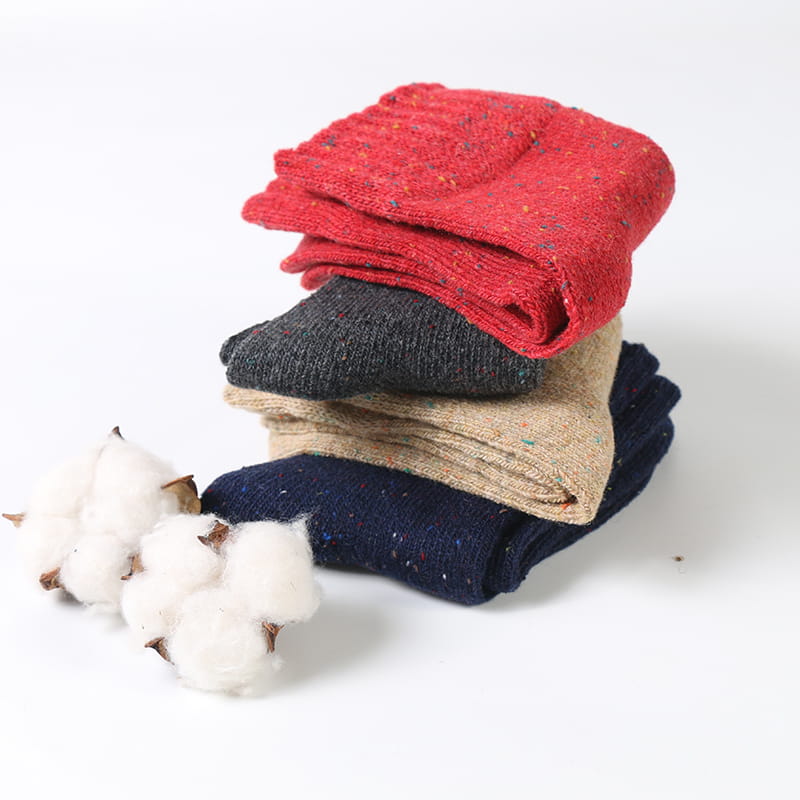
NO. WSD1425 Size EU35-39 Age Adu...
View More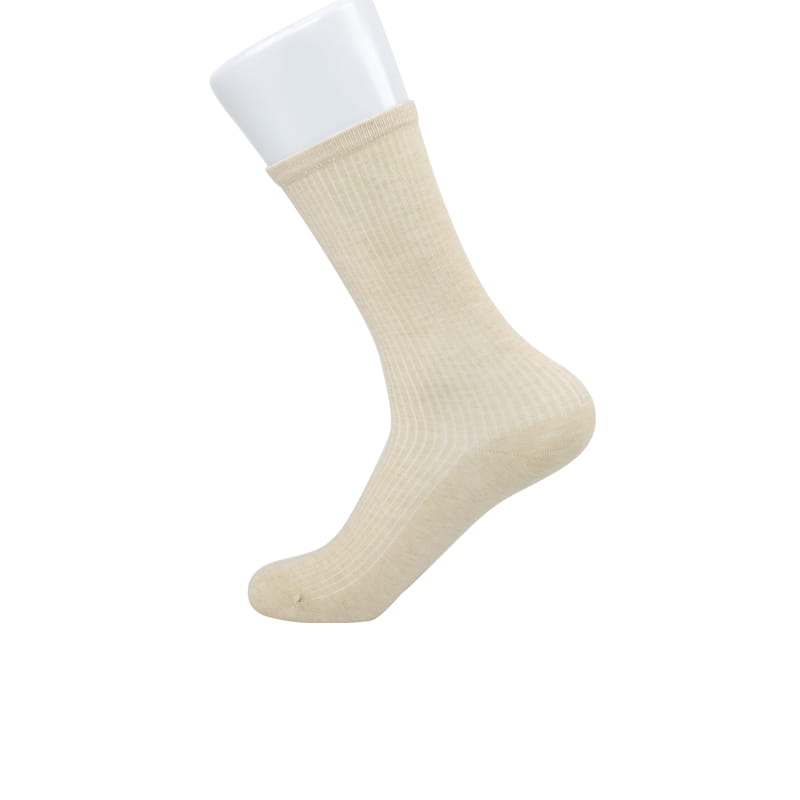
NO. WSD1412 Size EU35-39 Age Adu...
View More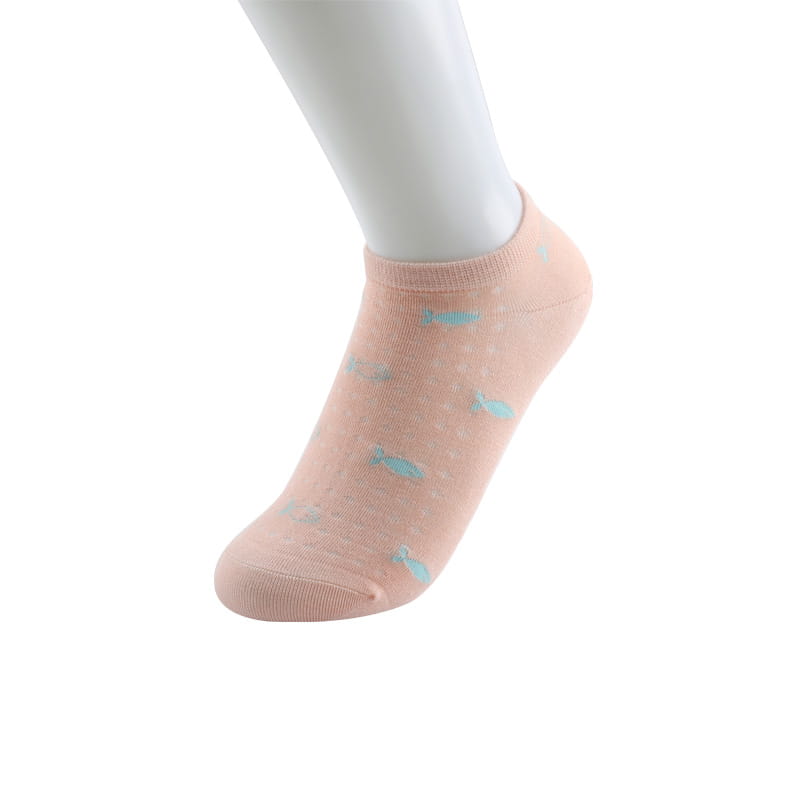
NO. WSD1301 Size EU35-39 Age Adu...
View More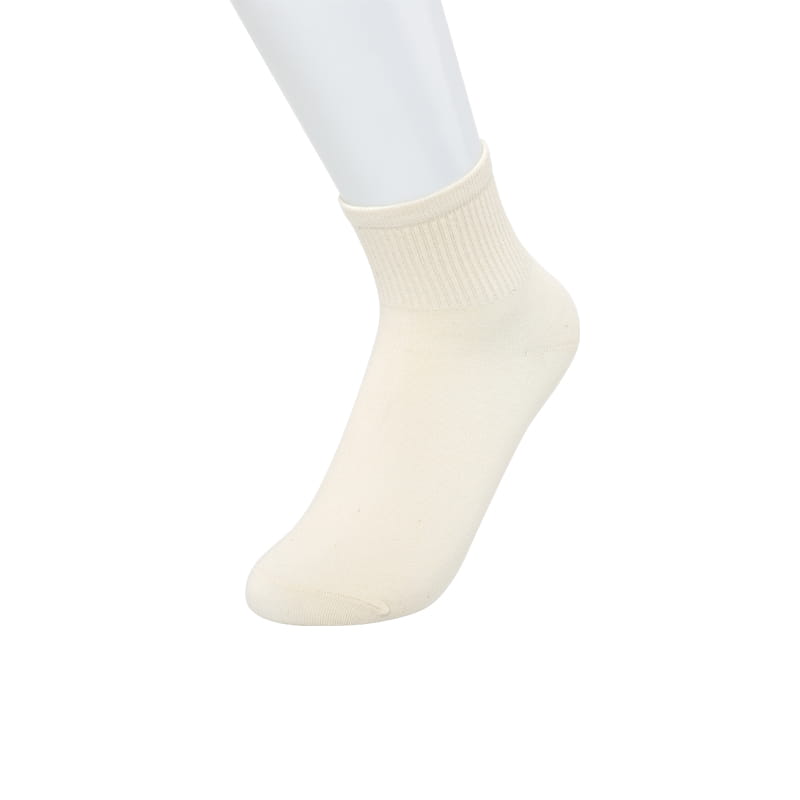
NO. WSD1409 Size EU35-39 Age Adu...
View More
NO. WSD1113 Size EU35-39 Age Adu...
View More
NO. WSD1132 Size EU35-39 Age Adu...
View More

+86-13586371153
+86-0573-87670680
[email protected] [email protected]
8-1 Yongsheng Road, Qianjiang Industrial Park, Dingqiao, Haining, Zhejiang, PRC
Copyright © Haining Wanshida Hosiery Co.,LTDAll Rights Reserved. China Custom Socks Manufacturers